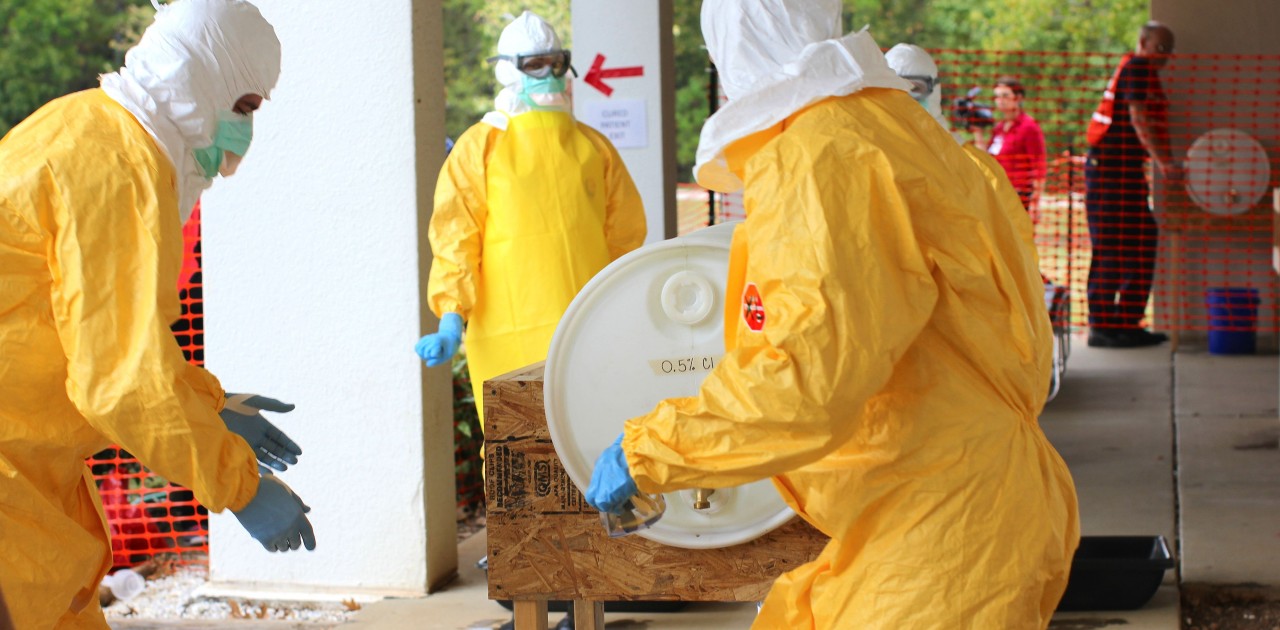
The Ebola epidemic is escalating swiftly across the Democratic Republic of Congo, with more than 1,000 new infections recorded within a single month. This rapid spread is particularly pronounced in regions grappling with armed conflicts and constrained access to healthcare. While a solitary imported case in France underscores the potential for global reach, officials maintain that the risk of widespread international transmission remains minimal due to robust surveillance and isolation protocols.
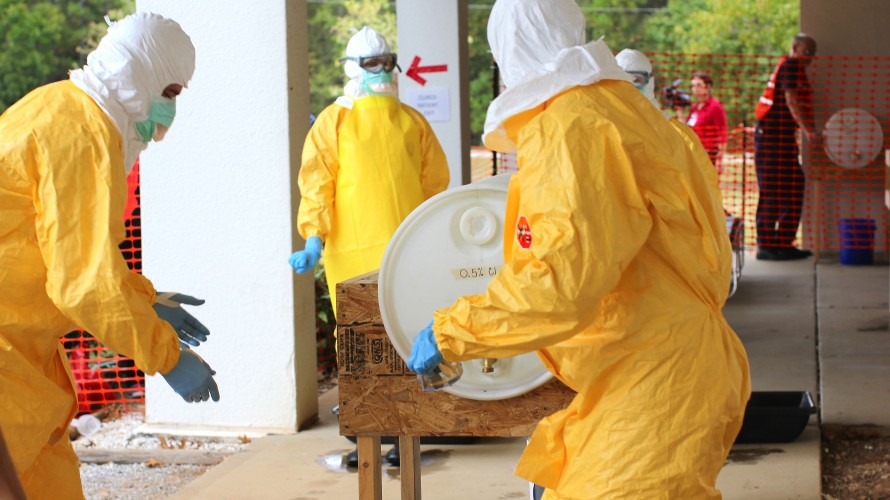 The Ebola virus impacts the Democratic Republic of Congo.
dr Congo faces escalating ebola outbreak: over 1,000 confirmed cases fuel propagation concerns
The Ebola epidemic continues its relentless advance across the Democratic Republic of Congo (RDC), with eastern provinces, including Ituri, Nord-Kivu, and Sud-Kivu, reporting over 1,000 confirmed cases in just one month. These affected areas are frequently plagued by armed conflicts, significant population displacements, and severely restricted access to essential medical services, factors that profoundly hinder effective virus containment efforts.
Although the outbreak largely remains localized within Central Africa, the detection of an imported case in France serves as a stark reminder of the potential for international dissemination. However, authorities assure that the likelihood of widespread global transmission remains exceedingly low, attributed to stringent surveillance and isolation measures in place. This complex scenario prompts critical examination of the underlying elements that facilitate the virus’s circulation and the broader implications for the epidemic’s potential expansion.