Niamey, Niger, witnessed a pivotal moment in West African politics as the inaugural session of the Confederation of Sahel States (AES) Parliament officially opened on Monday. This significant gathering saw the formal installation of 45 confederal deputies, with 15 representatives each from Burkina Faso, Mali, and Niger.
The historic ceremony, held at the Mahatma Gandhi Conference Centre, was presided over by Ousmane Bougouma, who serves as the President of the Legislative Assembly of the People of Burkina Faso and acted as the president for this inaugural parliamentary session.
Addressing the newly installed legislators, Burkina Faso’s President Ibrahim Traoré, who holds the rotating presidency of the Confederation of Sahel States, urged the deputies to prioritize the collective well-being of the Confederation above any individual partisan interests or national considerations. His call underscored the spirit of unity essential for the new pan-African body.
The confederal Parliament is structured with 45 deputies, ensuring equal representation with 15 members allocated to each of the three participating nations. The proceedings were attended by Nigerien Prime Minister Ali Mahaman Lamine Zeine, representing the Nigerien president, alongside prominent leaders from the parliamentary institutions of the three member countries.
Adding to the regional significance, representatives from the Chadian and Togolese parliaments were also present as esteemed guests. This initial session, scheduled to run from August 24 to 29 in Niamey, is designed to lay the groundwork for enhanced parliamentary cooperation and stronger ties among the three AES member states.
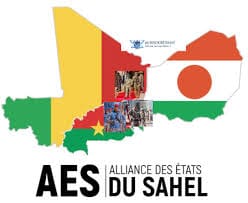
The Confederation of Sahel States was established in July 2024 by Burkina Faso, Mali, and Niger, following their collective announcement in January of the same year to withdraw from the Economic Community of West African States (ECOWAS).
The Confederation’s primary objective is to bolster cooperation across the three nations, focusing on critical areas such as defense, security, and sustainable development, aiming to foster greater stability and prosperity in the region and influence African politics.