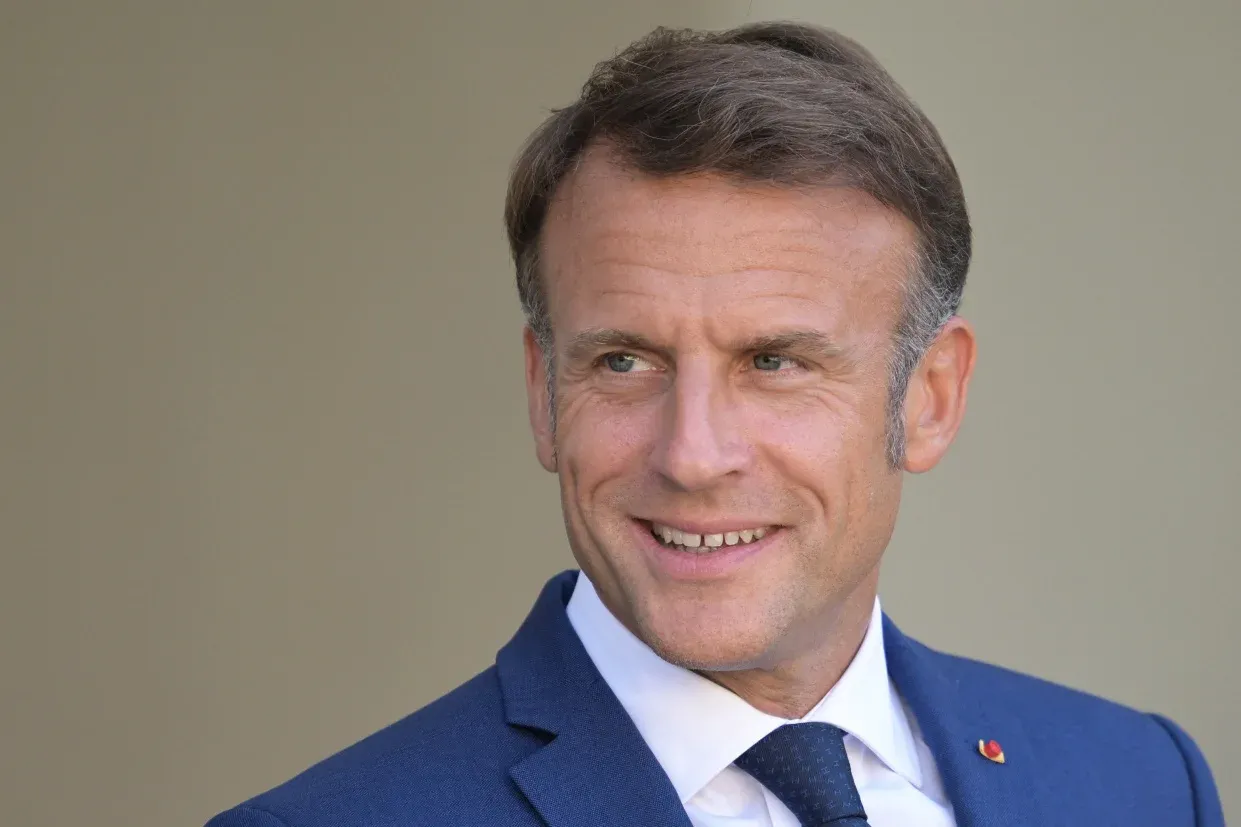
As cities across France smoldered in the aftermath of fresh riots, with widespread looting, violent clashes, and roadblocks blocking major thoroughfares, the government finds itself at the epicenter of a growing political and social storm. The unrest, which flared over the weekend, has exposed glaring flaws in France’s security apparatus—yet President Emmanuel Macron has opted to double down on his Interior Minister, Laurent Nuñez, rejecting the resignation the minister tendered in a dramatic move on Sunday.
In a decisive turn, Macron has framed Nuñez’s retention as a necessity for stability rather than a vote of confidence. The Élysée has made it clear: continuity in leadership is non-negotiable during what officials describe as a critical security inflection point. The message is unambiguous—France cannot afford a leadership vacuum at a time when public order hangs in the balance.
Why Macron chose to keep Nuñez despite crises of confidence
Laurent Nuñez’s sudden resignation submission was not just a symbolic gesture—it was a response to the ferocity of the weekend’s unrest. Yet, the Élysée swiftly moved to quash any narrative of weakness. A statement released Monday emphasized that Macron had declined the resignation, citing the urgent need to avoid destabilizing the security forces amid escalating chaos.
The presidency justified its stance on grounds of institutional resilience rather than immunity from accountability. By insisting on Nuñez’s continued leadership, Macron signals that reform will be driven from within—not through leadership turnover—but through immediate operational recalibration.
New tactics, stricter accountability: What’s changing on the ground
The Interior Ministry has been handed a clear mandate: overhaul response strategies to prioritize proactive disruption over reactive containment. The new doctrine calls for dismantling barricades within moments of formation, intercepting looters before they breach storefronts, and deploying rapid-response units to neutralize organized rioters before incidents spiral.
Gone are the days of prolonged crowd dispersal tactics that allow unrest to metastasize. The government’s revised playbook favors decisive, early intervention—even if it risks escalating tensions in the short term. The goal? To restore public confidence by demonstrating zero tolerance for disorder.
Rethinking intelligence: Preventing the next outbreak
Under Macron’s orders, Nuñez must also address systemic intelligence failures that allowed unrest to escalate unchecked. Sources within Beauvau report that the president has demanded a forensic audit of pre-riot monitoring, communication breakdowns between agencies, and the delayed mobilization of reserves.
The Interior Ministry is now under unprecedented scrutiny to identify where early warning systems failed and to implement real-time data sharing across law enforcement and municipal authorities. Failure to do so, warns Macron, will not be tolerated—further isolating Nuñez if results are not delivered.
Public reaction: skepticism meets urgency
French citizens remain deeply divided. Protesters and civic groups decry what they call a failure of governance, pointing to the weekend’s images of burning vehicles and ransacked shops as evidence of systemic collapse. Meanwhile, business owners and residents in affected zones plead for stronger action to prevent a recurrence.
Political analysts suggest that Macron’s gamble—to neither accept nor reject Nuñez fully—reflects a delicate balancing act. It appeases neither side completely, but it buys time for a high-stakes gambit: reinventing public security from the ground up, while preventing further erosion of trust in state institutions.
What comes next for France’s security strategy
The coming days will be decisive. If the new tactics succeed in curbing unrest, Nuñez may yet salvage his reputation. But if barricades reappear and violence persists, the political fallout could force Macron into a more drastic reshuffle—possibly including Nuñez’s removal after all.
One thing is certain: France’s security doctrine is undergoing its most significant overhaul in years. Whether this transformation succeeds—or merely masks deeper fractures—will define the nation’s stability in the months ahead.