The streets of France are once again a battleground, this time with education at the epicenter of a growing storm. As the nation gears up for the pivotal 2027 presidential election, a wave of youth-led protests has exposed raw frustrations over crumbling school infrastructure, overcrowded classrooms, and what many young people describe as a broken promise of equal opportunity. The unrest, which began with high school students, has evolved into a broader social outcry, forcing politicians to confront uncomfortable questions about the future they’re leaving for the next generation.
From classroom grievances to nationwide unrest
The spark that ignited this movement came from the heart of France’s education system. Students returning to school in September voiced their anger over long-standing issues: chronically understaffed schools, deteriorating buildings, and schedules that leave little room for personal growth or rest. The frustration extends beyond material conditions—many describe Parcoursup, the university admissions platform, as a source of anxiety and uncertainty, further deepening the divide between their aspirations and the reality of their prospects.
What started as isolated protests quickly gained momentum. Blockades of schools, walkouts, and marches have drawn in teachers, university students, and even parents, transforming a localized dispute into a national conversation. The fifth wave of demonstrations on October 13th saw turnout estimates clash dramatically—organizers claimed 480,000 participants, while authorities counted just over 161,000. Yet beyond the numbers, the movement reveals a deeper malaise: a generation that feels abandoned by a system that no longer guarantees the tools for success.
Inequality laid bare: a system failing its most vulnerable
The protests have laid bare the stark inequalities embedded in France’s education system. In some neighborhoods, students face crumbling buildings and chronic teacher shortages, while in others, overcrowded classes and rigid schedules dominate daily life. These disparities aren’t just academic—they shape life chances, reinforcing cycles of disadvantage that stretch far beyond the classroom.
A government survey conducted in early October underscored these concerns, with school schedules ranking as the top complaint, followed closely by the state of facilities and the lack of substitute teachers. The findings paint a picture of a system stretched thin, where the promise of equal opportunity is increasingly seen as a myth. For many families, the struggle to access quality education has become a defining feature of life in modern France.
Government responds—but is it enough?
Faced with mounting pressure, officials have rolled out a series of measures aimed at easing the crisis. Plans include boosting funding for education in the 2027 budget and improving teacher replacement systems. Yet critics argue the proposed solutions are woefully inadequate, addressing symptoms rather than root causes. The debate now centers on whether these steps will deliver real change—or if they’re merely symbolic gestures designed to placate protesters ahead of the election.
The government’s proposals have done little to quell the anger. Teachers’ unions, student groups, and parents alike argue that the measures lack the scale and urgency required to address the scale of the crisis. The divide between rhetoric and reality has only deepened the sense of betrayal felt by many young people, who see their futures hanging in the balance.
When education protests collide with broader discontent
The October 17th demonstrations marked a turning point. What began as a fight for better schools has collided with wider grievances over living costs, public services, and economic insecurity. Calls for unity with other protest movements—including those inspired by the ‘yellow vests’—have broadened the scope of the debate, uniting diverse groups under a shared banner of frustration.
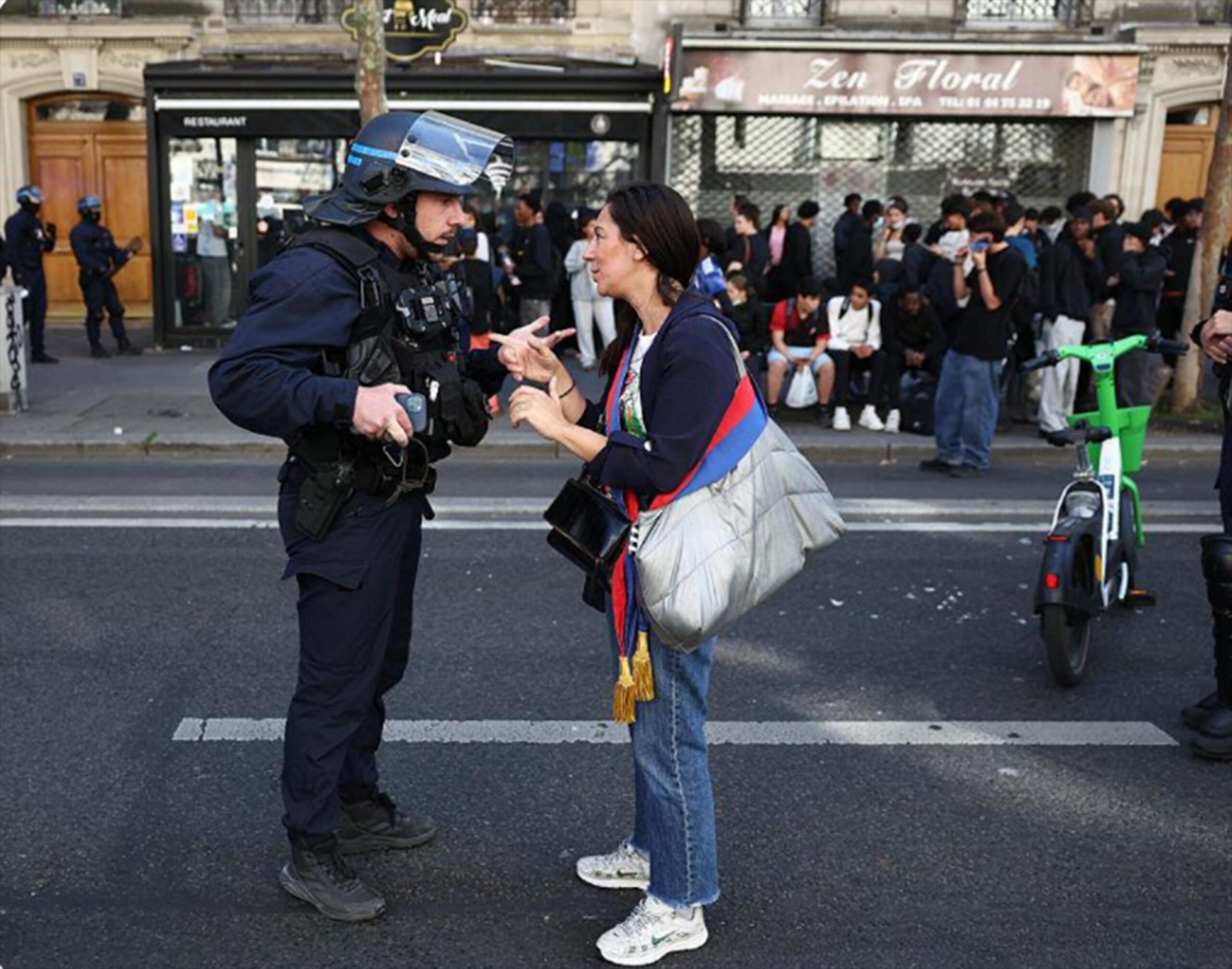
Yet this convergence is not without tension. While some march for education reform, others protest economic hardship or political exclusion. The diversity of voices reflects a society at odds with itself, where shared anger masks fundamentally different visions for the future. In Paris and Marseille, the day was marred by clashes between protesters and police, raising questions about the right to demonstrate and the state’s role in maintaining order. These incidents, though not representative of the entire movement, have fueled further debate about the limits of dissent in a democracy.
2027 Election: a referendum on France’s priorities?
With the 2027 presidential race looming, the education crisis has become a litmus test for France’s political class. The questions are stark: Will education remain a priority in national spending? How can the country bridge the gap between its republican ideals of equality and the reality of unequal access to opportunity? And what guarantees can be offered to a generation facing precarity and uncertainty about their future?
For President Emmanuel Macron, whose second term ends in 2027, the protests present both a challenge and an opportunity. His government’s response to the crisis will shape public perception of his legacy, even if the ultimate outcome of the election remains uncertain. The youth movement, with its demands and its energy, has forced all candidates to confront a simple truth: France’s future cannot be built on a foundation of crumbling schools and broken promises.
Can protests translate into lasting change?
The path forward is far from clear. While protests have succeeded in drawing attention to long-ignored issues, their ability to drive meaningful reform remains uncertain. The movement’s diversity—its mix of grievances, tactics, and goals—complicates efforts to build a unified agenda. Yet one thing is certain: the status quo is no longer tenable. The question now is whether France’s leaders will listen, or if the next generation will be forced to fight even harder for what they deserve.
The slogans echoing through France’s streets are a cry for immediate change. But beneath the anger lies a deeper, more enduring question: What kind of society does France aspire to be? The answer may well determine not just the fate of its education system, but the country’s soul.