Gabon and African Development Bank launch new priority projects pact
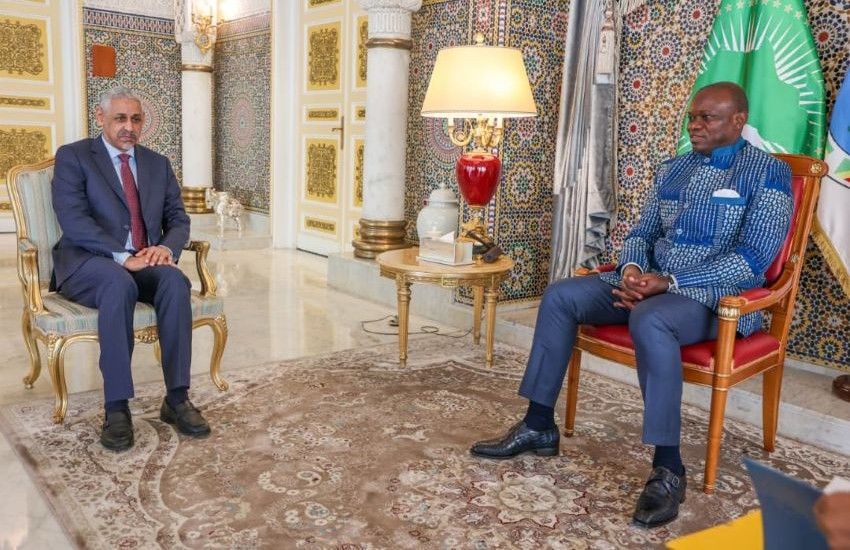
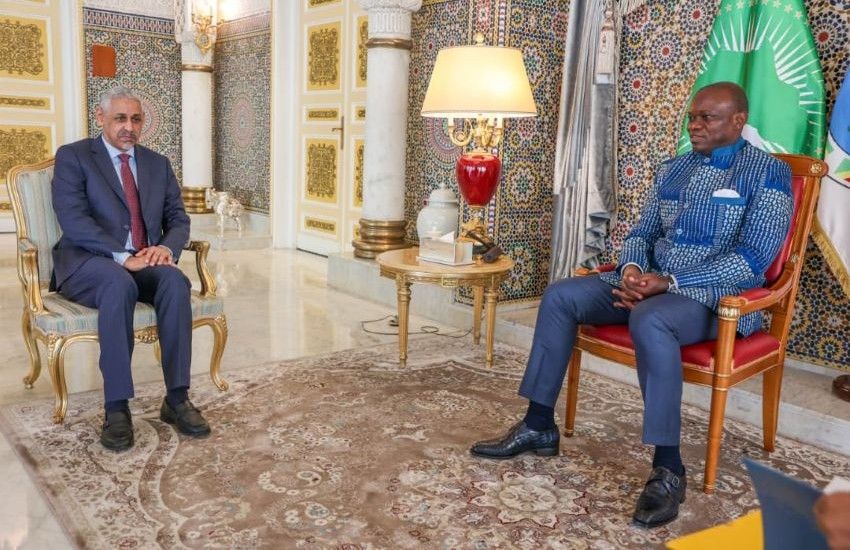
Libreville, Saturday, August 15, 2026 – A transformative partnership between Gabon and the African Development Bank (BAD) is taking shape. On Friday, August 14, Gabonese President Brice Clotaire Oligui Nguema welcomed the new BAD president, Sidi Ould Tah, for discussions that went beyond routine portfolio reviews. This meeting marked the beginning of a strategic realignment aimed at maximizing development impact.
The Gabonese government has made it clear that external financing must deliver tangible, immediate improvements to citizens’ living conditions. Accompanied by Nouredine Kane Dia, the BAD’s Resident Representative in Gabon, Sidi Ould Tah gained firsthand insight into the nation’s top priorities: universal access to water and electricity, and agricultural transformation. These sectors directly influence household well-being and national economic competitiveness.
Water and electricity: foundations for progress
The urgency of securing reliable water and power supplies reflects Gabon’s developmental priorities. Current production and distribution capacities struggle to meet growing demand, frequently causing disruptions that undermine public trust. The BAD has committed to supporting critical infrastructure projects, particularly those leveraging the Komo River’s resources. Success hinges on coordinated technical expertise, financing, and national operators to convert available resources into sustainable public services.
This initiative emphasizes durable solutions over temporary fixes. Investments must enhance service quality, reliability, and accessibility while addressing systemic deficits. The goal is clear: transform resource potential into reliable, long-term public utilities.
Boosting local production to cut import dependence
Agriculture emerged as the second pillar of this partnership. Gabon’s heavy reliance on food imports leaves it vulnerable to global market fluctuations and logistical disruptions. President Oligui Nguema is pushing to redirect BAD funding toward boosting local agricultural output and achieving food self-sufficiency.
The strategy targets multiple fronts: expanding production, supporting farmers, and building resilient supply chains. By strengthening agricultural value chains, investments can create rural jobs, enhance food security, and reduce import dependency. However, success requires complementary infrastructure, market access mechanisms, and an enabling private investment climate.
From financial pacts to measurable impact
This meeting underscored Gabon’s determination to shift from generic financing to targeted, high-impact interventions. While celebrating strong relations with the BAD, President Oligui Nguema stressed the need for projects that deliver direct socio-economic benefits. The focus now shifts to selecting projects where funding can produce measurable, lasting results.
For Gabon, the challenge lies in translating political consensus into funded, executed, and long-term projects. For the BAD, the task is to demonstrate that its investments can directly address the country’s development bottlenecks. The August 14 discussions opened a new chapter where water, electricity, and agriculture will define a partnership judged by outcomes, not promises. With citizens demanding tangible improvements, success will be measured by how effectively these projects transform daily life—not by the volume of funds committed.
Related posts
Lille’s Ligue 1 upset against Brest sparks intense post-match reactions and reshapes title race
The shock 0-1 defeat suffered by Lille against Brest in the 7th matchday of Ligue 1...
Moussa Kaka’s disappearance in Niger: one month on, outrage grows and questions mount
More than a month has passed since Moussa Kaka, a towering figure in Niger’s journalism and...
Mali’s mining standoff breaks: Barrick Gold’s Loulo-Gounkoto deal ignites corruption firestorm
The sudden cancellation of the strike notice at the Loulo-Gounkoto gold complex marks a decisive turning...