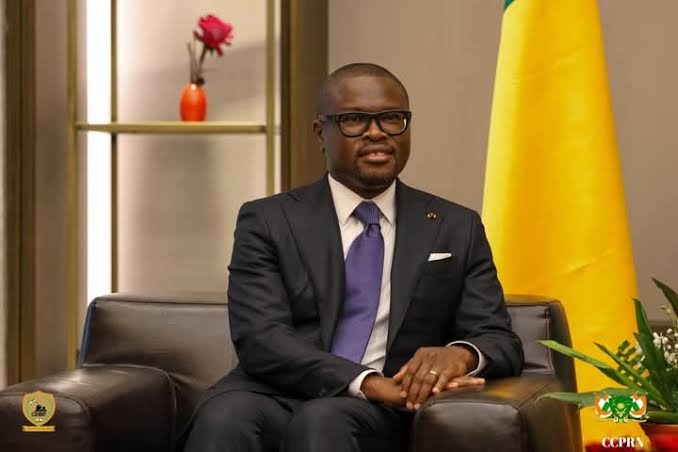
The Gabonese government has officially unveiled its 2026-2035 energy blueprint at the African Energy Forum in Cape Town, positioning the nation as a key player in the continent’s evolving energy landscape. Led by Minister of Universal Access to Water and Energy Philippe Tonangoye, the delegation outlined strategic priorities to over 45 countries, international financial institutions, specialized funds, and leading sector operators. The core ambition: to reposition Gabon on Africa’s energy map and secure a share of the continent’s mobilized capital.
Decade-long strategy to bridge the energy gap
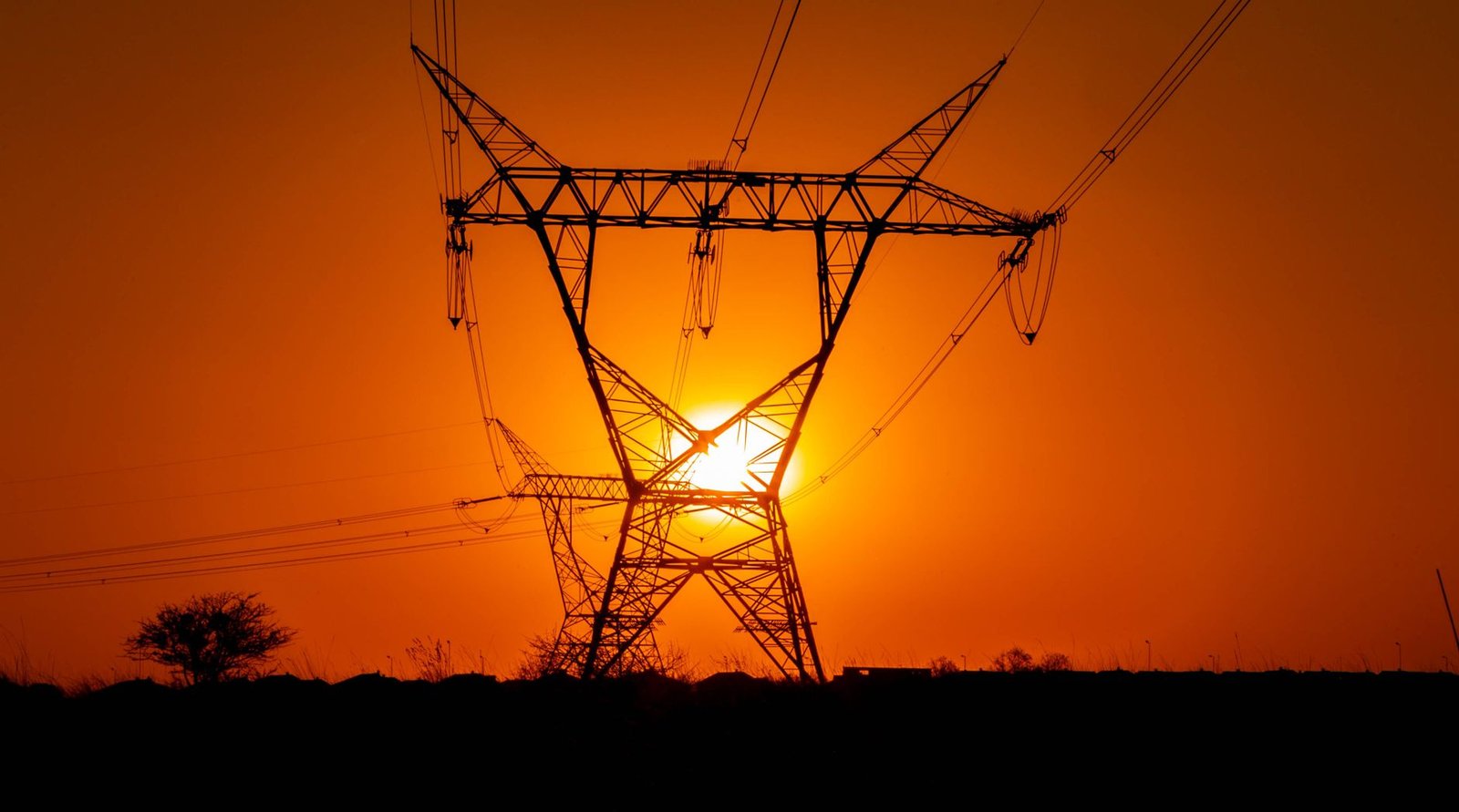
This ten-year plan aims to structurally reshape Gabon’s national energy mix. While the country’s electricity production relies heavily on hydropower and thermal sources, authorities are pushing for diversification to expand access, particularly in rural areas where electrification rates lag far behind urban centers. Universal electricity access remains a cornerstone of the strategy, with a focus on modernizing an aging transmission and distribution network that currently undermines service quality and drives technical losses.
The plan is built on three pillars: scaling up installed capacity, strengthening transport infrastructure, and deploying decentralized solutions for remote communities. This integrated approach is designed to make universal access a realistic goal, aligning with the government’s top priorities. By addressing both supply and distribution challenges, Gabon seeks to create a more resilient and inclusive energy ecosystem.
Cape Town as a launchpad for funding
The choice of the African Energy Forum as the platform for this announcement was strategic. The event gathers key decision-makers, multilateral lenders, and active investors across the continent. For Gabon, constrained by tight fiscal margins and closely monitored public debt, securing concessional financing and private capital is essential to the success of its decade-long plan.
Minister Tonangoye highlighted investment opportunities in both renewable production and transition thermal segments. Gabon boasts significant untapped hydroelectric potential—estimated by multiple studies in the gigawatt range—as well as strong solar prospects in certain regions. Additionally, natural gas presents an opportunity for local electricity generation, a priority championed by the authorities.
The presence of international financial institutions and infrastructure funds at the forum provided Libreville with a direct channel to initiate bilateral negotiations. However, the real test lies in transforming the plan into bankable projects. Investors typically require stable regulatory frameworks, competitive tenders, and clear pricing signals before committing to long-term ventures.
Energy sovereignty and industrial trade-offs
The 2026-2035 plan is part of a broader push for economic sovereignty under the current transitional leadership. Energy availability is central to this vision, as reliable electricity underpins the development of local industrial value chains—particularly in timber, mining, and hydrocarbon processing. Achieving competitiveness in these sectors hinges on a steady and affordable energy supply.
Balancing this imperative with Gabon’s climate commitments—positioning the country as a leader in forest conservation—will shape investment choices over the next decade. The Cape Town forum served as a public platform to open this discussion and gauge investor appetite for Gabon’s energy market.