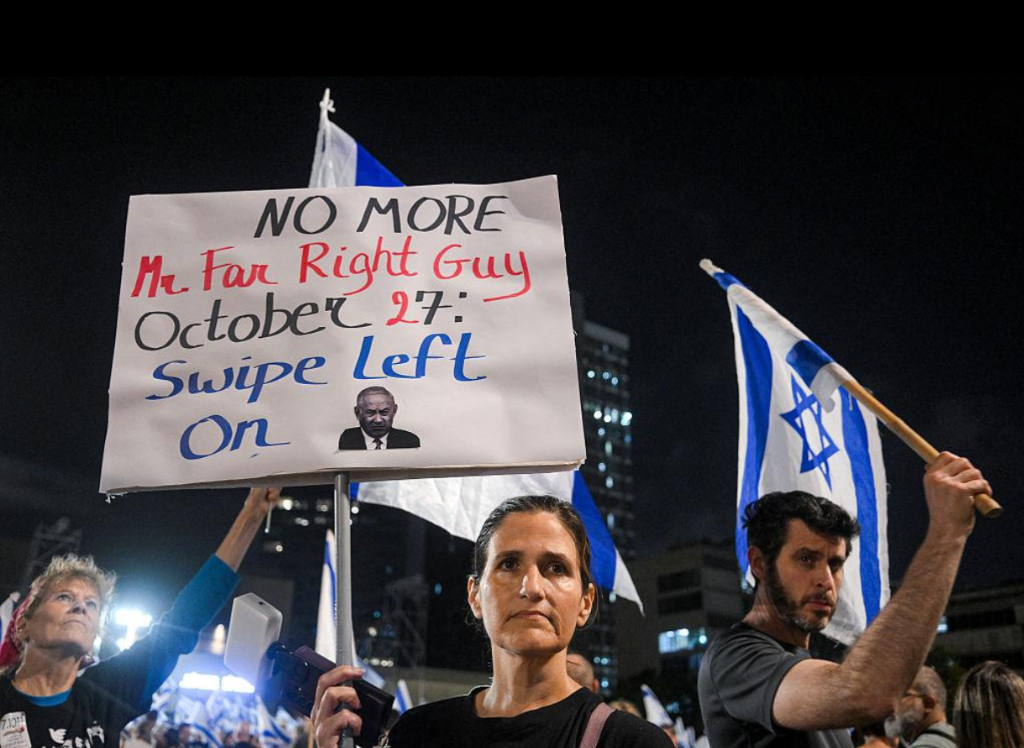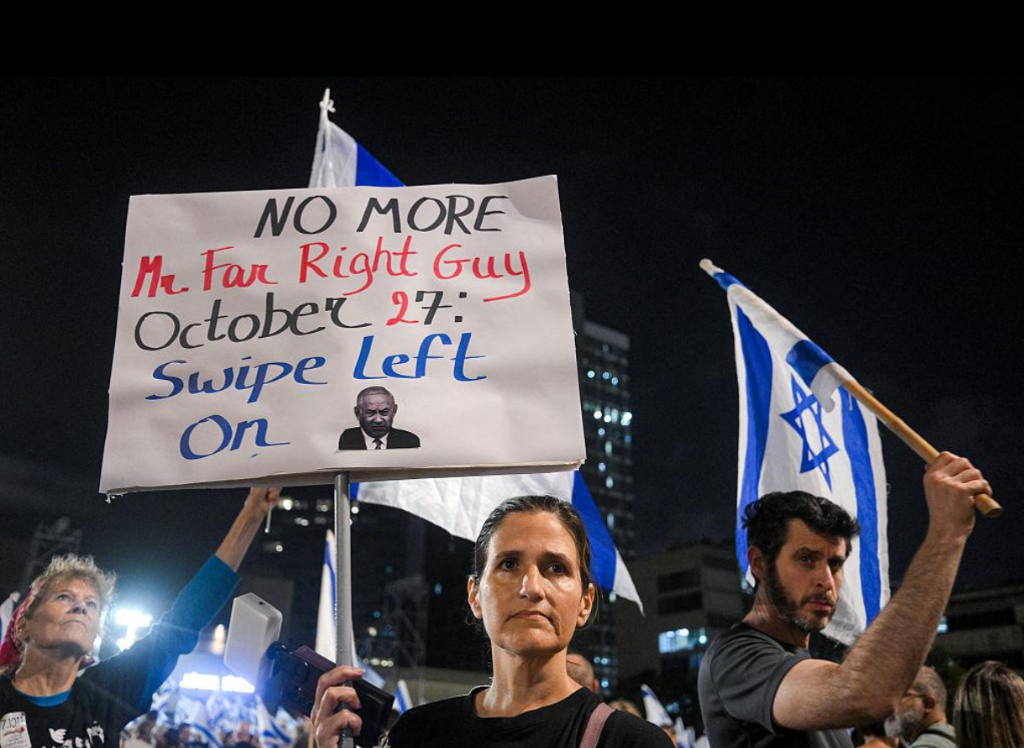
Benyamin Netanyahu may have emerged victorious in Israel’s October 27, 2026 elections, but his 53-seat bloc falls far short of the 61 needed for a parliamentary majority. With opposition forces holding 48 seats and Arab parties securing a record 19 seats, the political landscape has shifted dramatically. This fragmented mandate is igniting fierce debates both inside Israel and across the Middle East, raising critical questions about governance, security, and regional stability.
From electoral victory to parliamentary stalemate
The election results have shattered any illusion of a clear mandate for Netanyahu’s Likud party, which secured just 27 seats—down from 68 in the previous Knesset. While still the largest bloc, the numbers underscore a fundamental reality: Israel’s political system has fractured under the weight of war, domestic turmoil, and shifting public sentiment. The opposition, led by figures like Gadi Eisenkot, now represents a formidable counterbalance with 48 seats, while Arab parties have claimed historic representation.
With no bloc crossing the 61-seat threshold, the path to coalition-building has become treacherous. Scenarios now range from a fragile unity government to a minority coalition, or even the unthinkable prospect of yet another election cycle. The Arab parties’ pivotal position adds another layer of complexity: their potential support could tip the scales, but ideological divides and political sensitivities make such alliances fraught with risk.
Gaza’s future hangs in the balance
Beyond the parliamentary chessboard, the humanitarian and security crisis in Gaza remains the most urgent challenge facing Israel’s next government. Reconstruction efforts, security guarantees, and the question of Palestinian governance will dominate the agenda regardless of who takes power. Netanyahu’s traditional allies—nationalist and religious factions—are unlikely to deviate from hardline positions on these issues. Any shift would depend on opposition parties reaching a compromise, though deep divisions over Hamas, security protocols, and Palestinian statehood persist even within those ranks.
For Palestinians, the election outcome offers no immediate relief, instead highlighting the entrenched divisions that will shape any future policy toward Gaza and the West Bank. The path forward remains murky, with the next government’s composition holding the key to whether diplomatic stagnation continues or tentative breakthroughs emerge.
Iran and Lebanon: The strategic tightrope
Tehran’s shadow looms large
The specter of Iran—with its nuclear ambitions, ballistic missile programs, and support for regional militias—remains a defining concern for Israeli policymakers. A government hobbled by internal divisions could struggle to articulate a cohesive strategy on Iran, despite the traditionally bipartisan consensus on national security. The risk? A reactive approach that fails to address long-term threats, leaving Israel vulnerable to escalating tensions.
Hezbollah’s next move
Israel’s relationship with Lebanon’s Hezbollah militia is another powder keg in an already volatile region. Any military confrontation risks catastrophic humanitarian and economic fallout, destabilizing Lebanon further and drawing in broader regional actors. With Syria’s dynamics still in flux, Jerusalem will need to tread carefully to prevent miscalculations that could spiral into full-blown conflict.
Global observers brace for impact
The United States, Israel’s closest ally, will watch developments closely. While the strategic partnership remains unshakable, disagreements over Gaza operations, military tactics, and regional de-escalation efforts could strain relations. Arab capitals, from Riyadh to Amman and beyond, are equally attentive. For Gulf states like Saudi Arabia, normalization with Israel hinges on progress toward Palestinian statehood and regional stability. A weak or divided Israeli government may slow diplomatic momentum, even as the door to dialogue creaks open under pressure from moderates.
Israel’s soul-searching moment
This election has exposed deep societal fissures—over security doctrine, governance, religion, and national identity. The rise of Arab parties, the erosion of Netanyahu’s coalition, and the absence of a clear majority have created a political vacuum. Three potential outcomes now define the road ahead: Netanyahu’s survival through fragile alliances, an opposition-led government, or a return to the polls. Each path carries profound implications for Israel’s future and the region’s stability.
Netanyahu stands at the helm, but his victory is hollow. Without a mandate to govern alone, Israel enters uncharted waters where every decision reverberates across borders. The Middle East watches, waiting to see whether Jerusalem’s next moves will calm the storm or fan its flames.