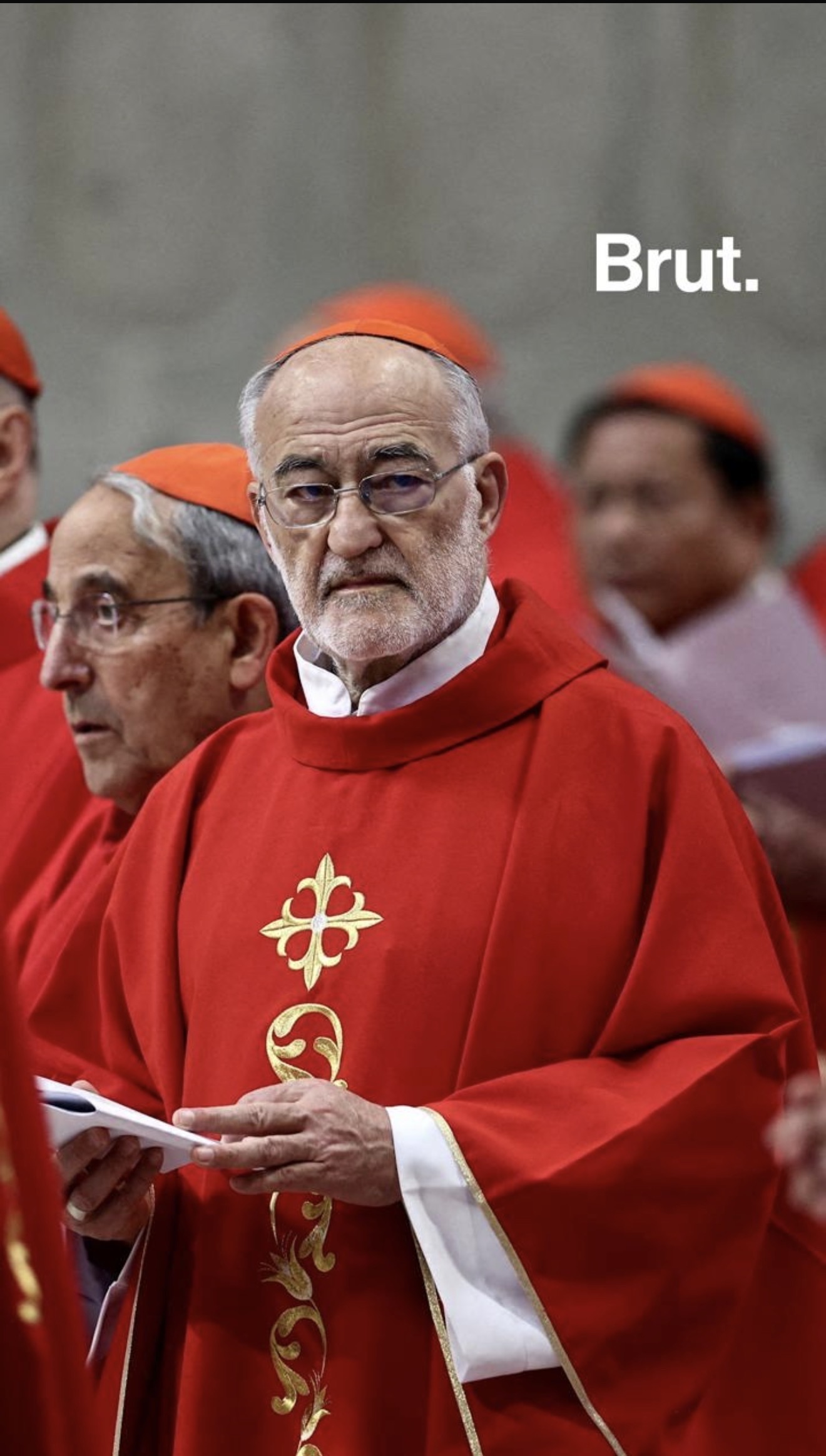
In a significant development within the Moroccan Catholic community, five women have come forward with serious allegations against Archbishop Cristóbal López Romero of Rabat. The accusations include claims of sexual misconduct and inappropriate behavior, prompting swift action from the Vatican.
The Holy See has initiated a formal investigation to examine the validity of these claims. Meanwhile, the Archbishop has taken a decisive step by voluntarily stepping back from all pastoral duties until the inquiry reaches its conclusion. This move underscores the gravity of the situation and the institution’s commitment to addressing such allegations transparently.
allegations and the church’s response
The women, whose identities remain undisclosed for legal and ethical reasons, have described a pattern of behavior they found disturbing and unethical. While details of the incidents have not been publicly disclosed, the complaints were deemed serious enough to warrant immediate attention from ecclesiastical authorities.
The Vatican’s Congregation for the Doctrine of the Faith is overseeing the investigation, ensuring that due process is followed. This body is responsible for handling sensitive cases involving clergy members, particularly those that could impact the Church’s moral standing and public trust.
the Archbishop’s stance
Archbishop López Romero has vehemently denied the allegations, describing them as unfounded and damaging to his reputation. In a statement released through official channels, he expressed his full cooperation with the investigation, emphasizing his dedication to his faith and community.
His decision to temporarily step away from his duties reflects a commitment to preserving the integrity of the Church’s processes, even as he maintains his innocence. The Archbishop’s suspension from pastoral activities is not an admission of guilt but a precautionary measure to ensure the investigation proceeds without bias.
what’s next for the investigation?
The Vatican’s inquiry is expected to be thorough, with interviews, evidence collection, and consultations with legal and theological experts. The timeline for the investigation remains uncertain, as the complexity of the case may require additional time to reach a conclusive outcome.
For the women who have spoken out, their decision to come forward represents a courageous step toward accountability. Their actions have highlighted the importance of addressing misconduct within religious institutions and ensuring that victims feel safe to share their experiences.
As the investigation unfolds, the Moroccan Catholic community and the broader public will be closely watching. The outcome of this case could have far-reaching implications for how religious institutions handle allegations of misconduct and the measures they take to uphold ethical standards.