The High Commission for Planning has unveiled its latest demographic projections for Morocco, spanning from 2024 to 2060. These forecasts incorporate various scenarios based on fertility rates, mortality trends, and migration patterns.
Steady yet slowing growth marks Morocco’s demographic future
Under the central scenario, Morocco’s population is expected to rise from 36.8 million in 2024 to 43.3 million by 2060, reflecting a 17.8% increase over 36 years. This translates to an average annual addition of 182,000 residents. Crucially, the population growth rate, currently at 0.7% in 2024, is projected to gradually decline, nearing zero by 2060. This signals Morocco’s shift toward near-stagnant demographic growth after decades of steady expansion.
Urban expansion accelerates while rural areas shrink
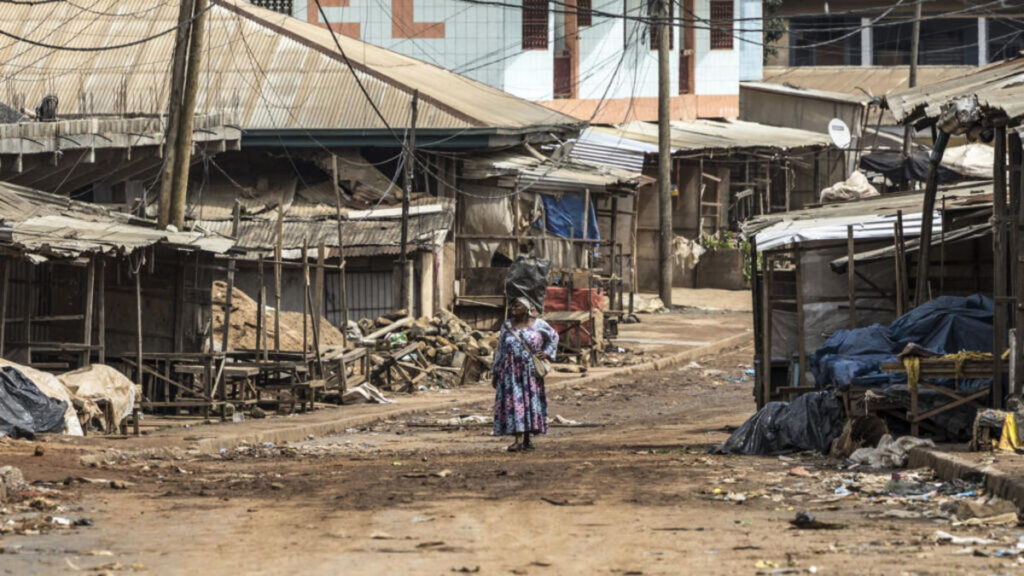
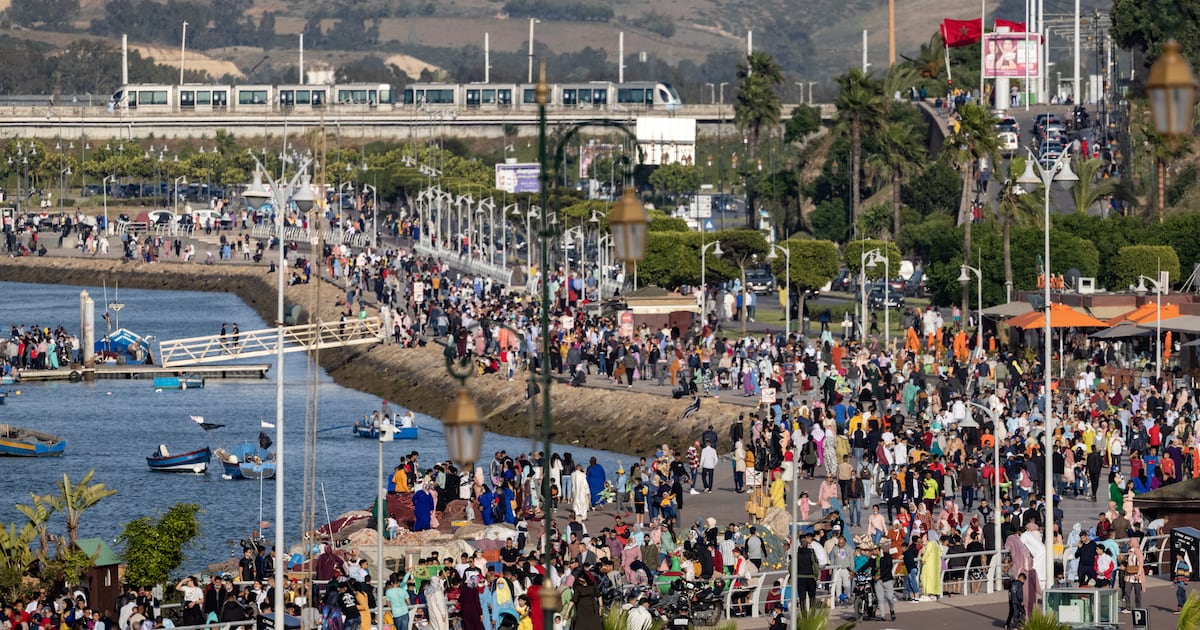
Urban populations are set to surge, reaching nearly 32.5 million by 2060—comprising roughly three-quarters of the kingdom’s total inhabitants. In stark contrast, rural populations will decline to about 10.8 million. Authorities highlight that this urban-rural divide will intensify challenges tied to rapid urbanization, demanding urgent public policy adjustments in housing, infrastructure, and social services to curb territorial imbalances.
The commission also underscores the need to bolster rural development. Enhancing living conditions, retaining young populations, and leveraging local resources are critical to maintaining social and territorial equilibrium.
A shrinking youth demographic reshapes education needs
The anticipated drop in fertility rates will significantly reduce the number of young people. Preschool-aged children (4-5 years) are projected to decline by 23.8%, from 1.25 million in 2024 to 960,000 in 2060. Similarly, primary school-aged children (6-11 years) will decrease by 27%, from 4.16 million to 3.04 million. The first cycle of middle school (12-14 years) will see a 22.9% reduction, while high school-aged youth (15-17 years) will drop by 11.4%, from 1.85 million to 1.64 million.
These demographic shifts present an opportunity for educational reform. With fewer students to accommodate, resources previously allocated to expanding classroom capacity can now be redirected toward improving teaching quality, pedagogical support, and curriculum development.
Working-age population grows unevenly across regions
The working-age population (15-59 years) will continue to expand, rising from 22.08 million in 2024 to nearly 24.96 million by 2060—a 13.1% increase. However, this growth will be unevenly distributed. Urban areas, fueled by rural-to-urban migration, will see a 34.4% rise, from 14.2 million to 19.1 million. Conversely, rural working-age populations will plummet by 25.4%, from 7.9 million to 5.9 million.
While urban centers absorb this influx of labor, the commission warns of mounting pressure on urban job markets. The influx of workers from rural areas could exacerbate employment challenges in cities.
Youth and retirement-age trends reveal contrasting patterns
Young adults aged 18-24, the primary cohort entering the labor market, will see a slight national decline of 3.1%, from 3.89 million to 3.77 million. However, this trend varies by region: urban areas will experience an 11.3% increase, while rural regions face a sharp 28.3% drop. Meanwhile, the near-retirement age group (50-59 years) will surge by 44.9% nationally, driven by a 76.6% rise in cities and a 17.4% decline in rural areas.
This demographic window—where the working-age population grows faster than dependent groups—offers Morocco a critical opportunity. Before the full impact of aging takes hold, the country must strategically invest in workforce productivity to maximize this demographic dividend.
Aging population reshapes Morocco’s social landscape
The population aged 60 and older is projected to more than double, rising from 5 million in 2024 to 10.9 million by 2060—an average annual growth rate of 2.2%. By then, seniors will constitute 25.2% of the total population, up from 13.6% in 2024 and just 8% in 2004. Urban areas will experience the most dramatic increase, with the elderly population multiplying by 2.5 times, from 3.18 million to 8.06 million. In rural regions, the growth will be more modest, at 1.6 times, from 1.81 million to 2.83 million.
The 70+ age group will see even sharper growth, tripling from 2.06 million in 2024 to 6.3 million in 2060. Urban septuagenarians will surge by 256%, from 1.25 million to 4.44 million, while rural numbers will rise from 0.81 million to 1.86 million.
These trends stem from the fertility decline that began in 1975, coupled with significant reductions in mortality rates and, to a lesser extent, migration flows. The aging wave will accelerate as the post-1975 birth cohorts reach retirement age after 2035.
Public policies must adapt to shifting demographics
The commission emphasizes that accelerating aging will increase the dependency ratio—the number of dependents per working-age adult. This shift poses challenges in pension financing, healthcare for an older population, and maintaining intergenerational family support systems. Rural-to-urban migration further strains traditional familial bonds, complicating care for the elderly.
The High Commission stresses that aging is an irreversible structural trend, regardless of future scenarios. Policymakers must proactively address education, employment, territorial planning, and social protection to navigate Morocco’s slower growth and rapid aging trajectory.