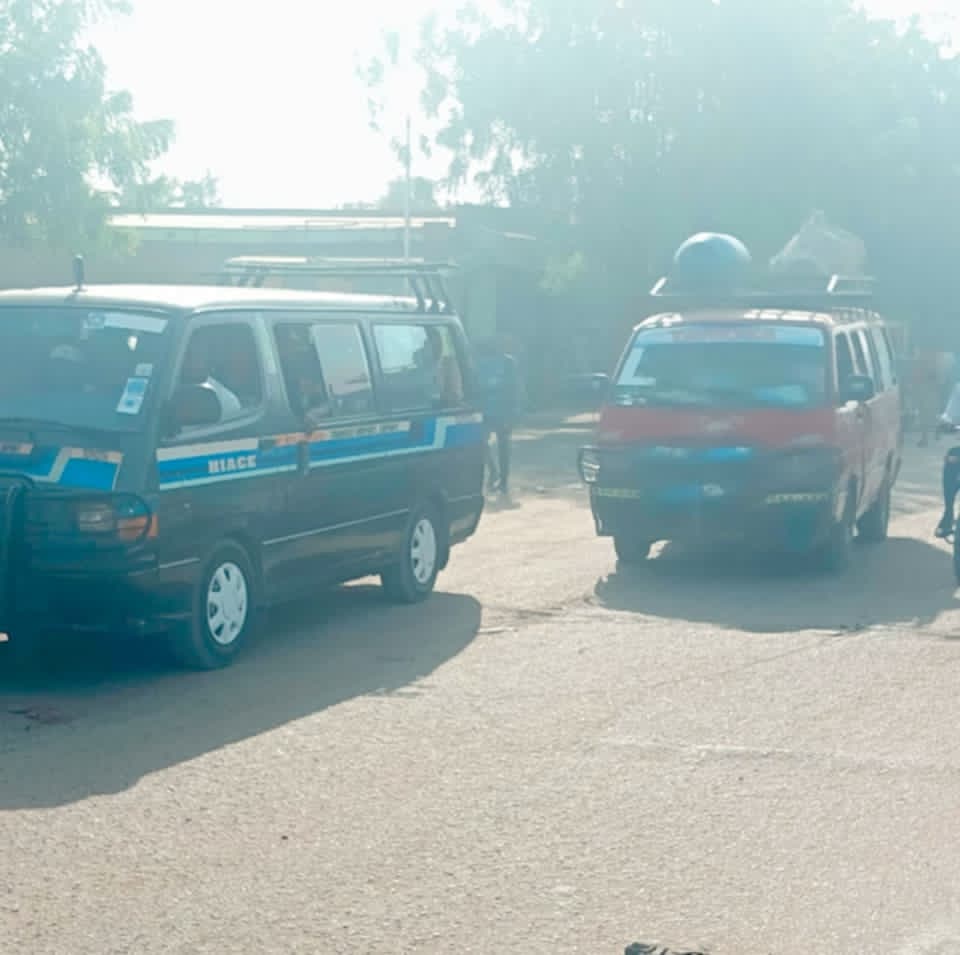
In the heart of Chad, N’Djamena faces a pressing challenge: the unregulated nature of its minibus transportation system. As the capital city grapples with rapid demographic growth and urban expansion, the lack of designated stops for these ubiquitous vehicles has become a growing concern.
Every day, commuters rely on minibuses for their daily travels, yet the absence of structured pick-up and drop-off zones forces drivers to halt abruptly in the middle of busy streets. This informal practice not only disrupts traffic flow but also poses serious safety risks for passengers and pedestrians alike, particularly during peak hours.
Why unregulated minibus stops threaten urban mobility
The current situation in N’Djamena reveals a stark reality: minibuses operate in a legal and organizational gray area. Drivers frequently pull over on sidewalks or in traffic lanes, creating bottlenecks and increasing the likelihood of accidents. Pedestrians, forced to navigate between moving vehicles to board or alight, face unnecessary dangers in an already chaotic urban environment.
Traffic congestion is further exacerbated by these unpredictable stops, which compound the daily struggles of commuters. Without clear guidelines, the informal transport sector continues to operate in a way that prioritizes convenience over safety and efficiency.
Structured stops: a solution for safer and smoother transit
To address these issues, urban planners and local authorities propose a straightforward yet transformative solution: the creation of designated minibus stops along major routes. Spaced at intervals of 150 to 200 meters, depending on neighborhood density, these zones would allow for orderly boarding and disembarking while minimizing traffic disruptions.
The benefits of such an initiative would extend beyond mere convenience. By reducing the need for abrupt stops, these designated areas could significantly lower the risk of collisions and improve overall road discipline. Additionally, small shelters and clear signage at these stops would enhance passenger comfort and safety, fostering a more welcoming public transit experience.
Lessons from other African cities
Many African capitals have successfully implemented structured public transit systems, demonstrating the tangible benefits of well-planned urban mobility. In cities where minibus stops have been formalized, traffic flow has improved, and road accidents linked to informal halts have decreased. N’Djamena stands to gain from adopting similar strategies, aligning itself with progressive urban development trends across the continent.
While infrastructure improvements are essential, they must be accompanied by collective effort. Local municipalities, transport authorities, and informal sector stakeholders must collaborate to ensure the smooth implementation of these changes. Sensitizing drivers to the importance of adhering to designated stops and educating passengers on safe boarding practices are critical steps toward long-term success.
A call for proactive urban planning
The urgency of structuring minibus stops in N’Djamena cannot be overstated. As the city continues to expand, the need for organized, safe, and efficient public transportation becomes increasingly vital. Investing in designated stops is not just about improving transit—it’s about shaping a modern, sustainable urban future for the capital.
For residents, this means safer journeys, reduced travel times, and a more predictable commuting experience. For the city, it represents a commitment to smart urban growth and the well-being of its inhabitants. The time to act is now, before the challenges of today become the crises of tomorrow.