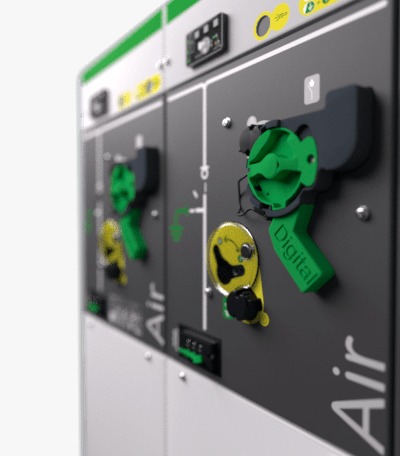
A significant stride in energy management and automation has taken place in Côte d’Ivoire with Schneider Electric’s introduction of its advanced medium voltage (MV) electrical switchgear range, aptly named « AirSeT ». Launched on July 7, 2026, this groundbreaking technology harnesses the power of pure air and vacuum interruption, setting a new benchmark for environmental transition and regulatory evolution within the Ivorian electricity sector.
As a pivotal economic and energy hub in francophone West Africa, Côte d’Ivoire is steadfast in its ambition to emerge as the region’s leading electricity powerhouse, particularly through initiatives like the West African Power Pool (EEEOA/WAPP). Achieving this ambitious vision demands substantial investments in robust medium voltage distribution infrastructure, critical for ensuring a stable and reliable power supply across the nation and beyond.
Nicole Malan, vice-president for Business Power Systems and Infrastructure within Schneider Electric’s Sub-Saharan Africa cluster, emphasized Africa’s distinctive opportunity. “Africa possesses a unique chance to construct electrical infrastructures today that will remain relevant for the next three to four decades,” Malan stated. She highlighted that this innovative solution, which seamlessly blends “pure air with advanced digitalization,” is meticulously designed to meet stringent international standards and cater to the evolving demands of future markets.
This strategic deployment aligns perfectly with Côte d’Ivoire’s national development strategy, which targets an impressive 45% renewable energy contribution to its electricity mix by 2030. The nation faces an escalating demand for power, fueled by the rapid urbanization of Abidjan and the burgeoning agro-industry, notably the crucial cocoa processing sector.
The newly introduced equipment is engineered for straightforward integration into existing grid networks, requiring no dimensional modifications or supplementary training for technicians. This forward-thinking design empowers operators to proactively adapt to upcoming international standards, securing the future of Côte d’Ivoire’s power infrastructure.
An