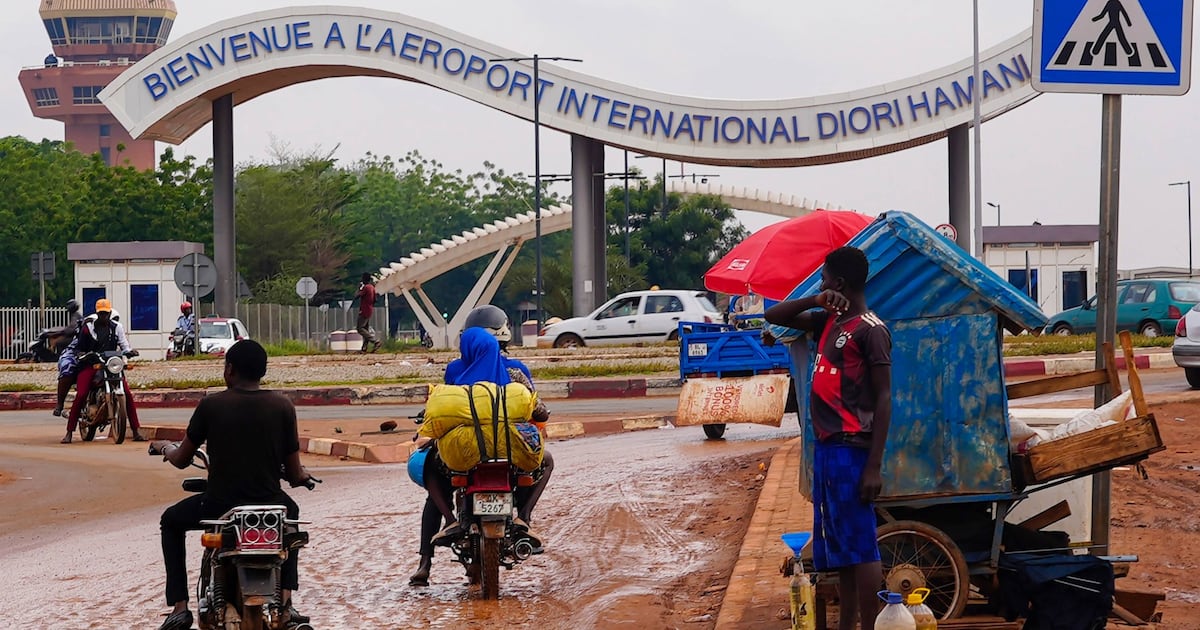
The capital of Niger, Niamey, faced an unprecedented security challenge in the early hours of January 29, when armed clashes erupted near the international airport. Gunfire and explosions shattered the calm just after midnight, marking one of the rare direct assaults on a major West African city.
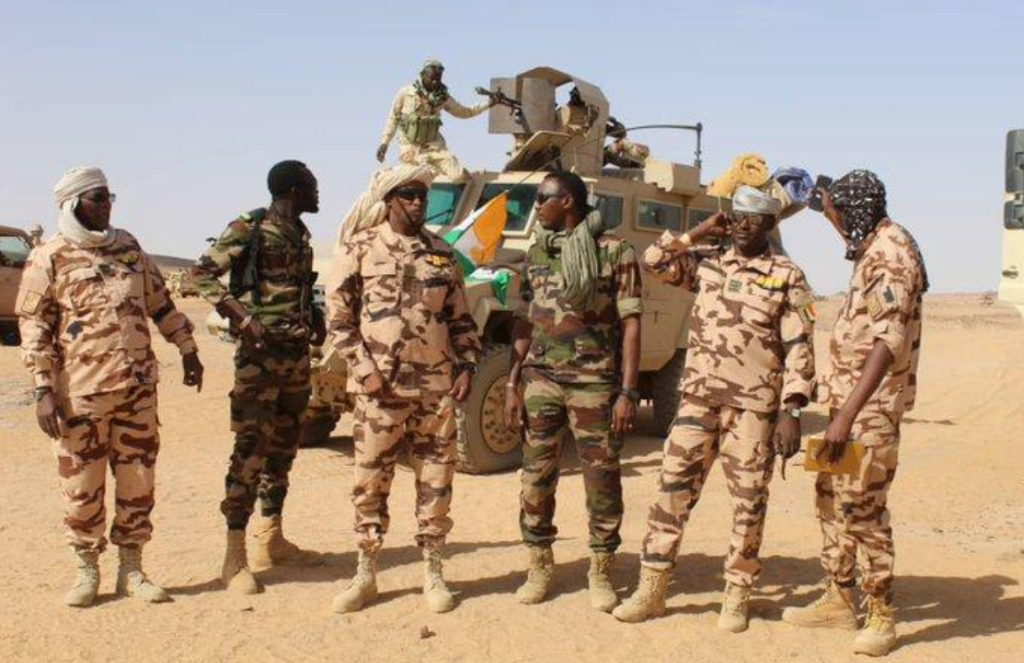
According to Nigerien authorities, the attack lasted about an hour before being repelled through a coordinated air and ground counteroffensive. Official reports—though unverified by independent sources—indicated that twenty attackers were killed, eleven captured, and four soldiers wounded. The Russian Ministry of Foreign Affairs later confirmed that units from the Africa Corps, a Russian Defense Ministry-affiliated force, had joined Nigerien troops in securing the airport zone, home to the strategic Air Base 101.
The leader of Niger’s military junta, General Abdourahamane Tiani, praised the Russian partners for their professionalism in defending the airport perimeter, which serves as a critical military hub in the country’s security apparatus.
Islamic State in the Sahel releases video evidence of the assault
Two days after the attack, the Islamic State in the Sahel (EIS)—through its AMAQ news agency—published a propaganda video purportedly filmed during the raid. The footage shows armed men, some on motorcycles, moving through the airport’s military zone, firing on buildings and setting fires. Damaged aircraft, including two small planes and a helicopter, were visible, along with evidence of scorched areas near the runway confirmed by satellite imagery.
The video also captured militants in the civilian section of the airport, where commercial planes from Asky Airlines and Air Côte d’Ivoire were stationed. While Nigerien authorities acknowledged damage to three civilian aircraft, the Defense Ministry cited “damaged equipment, including a stockpile of munitions that caught fire,” without further details.
Niamey emerges as a new front in the Sahel insurgency
Though Niger has battled Islamist violence for over a decade—primarily from the Group for the Support of Islam and Muslims (JNIM), affiliated with Al-Qaeda—direct attacks on the capital remain uncommon. However, just days before the airport assault, the JNIM claimed responsibility for destroying a military vehicle east of Niamey, signaling an escalating threat near the seat of government.
This surge in jihadist activity coincides with a dramatic shift in Niger’s security alliances. Since the July 2023 coup, Niamey has pivoted toward Moscow while distancing itself from Western partners. France was expelled in late 2023, followed by the withdrawal of most U.S. military personnel in 2024, though diplomatic ties remain intact.
Diplomatic tensions flare over attack claims
In a strongly worded statement, General Tiani accused France, Benin, and Côte d’Ivoire of “sponsoring” the assault. The allegations were swiftly rejected by Abidjan and Cotonou, with Côte d’Ivoire summoning Niger’s ambassador and condemning the remarks as “serious” and potentially damaging to bilateral relations.
Meanwhile, nearly 300 Italian troops stationed in Niger as part of the Italian Support Mission in Niger (MISIN) were present at the airport but denied any involvement in the fighting. Italy’s Defense Minister, Guido Crosetto, emphasized that the safety of Italian personnel remained the top priority.
Why the airport is a prime target for insurgents
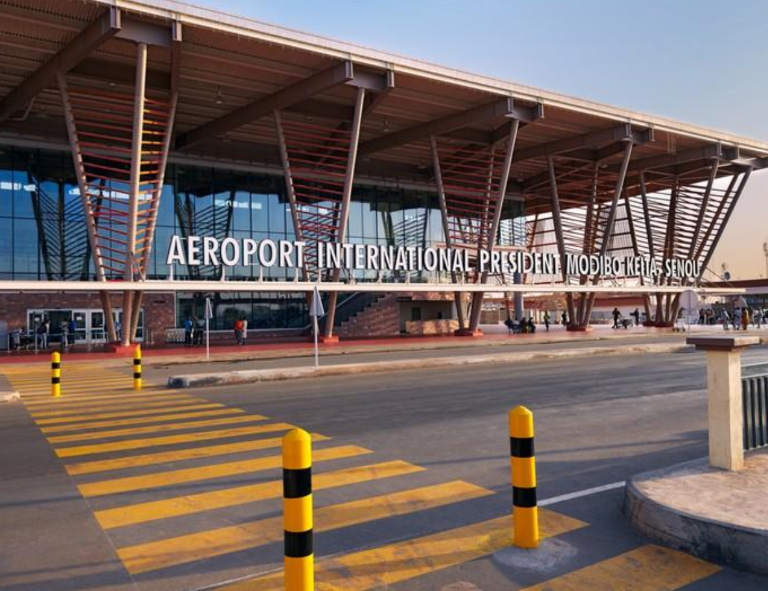
The Diori Hamani International Airport is more than a transport hub—it’s a strategic nerve center. It houses Niger’s air force headquarters, serves as a joint operations base for the G5 Sahel forces (Niger, Mali, Burkina Faso), and stores a significant stockpile of uranium concentrate. This resource has become a point of contention with the French firm Orano, as Niamey explores alternative logistics solutions, including potential deals with Russia.
Despite the attack, commercial flights resumed the next day, and life in surrounding neighborhoods quickly returned to normal. Yet the incident underscores a turning point: the EIS has demonstrated its capability to strike high-value targets, while Russia’s growing military footprint in Niger highlights a broader geopolitical realignment in the Sahel—one that risks deepening regional instability.