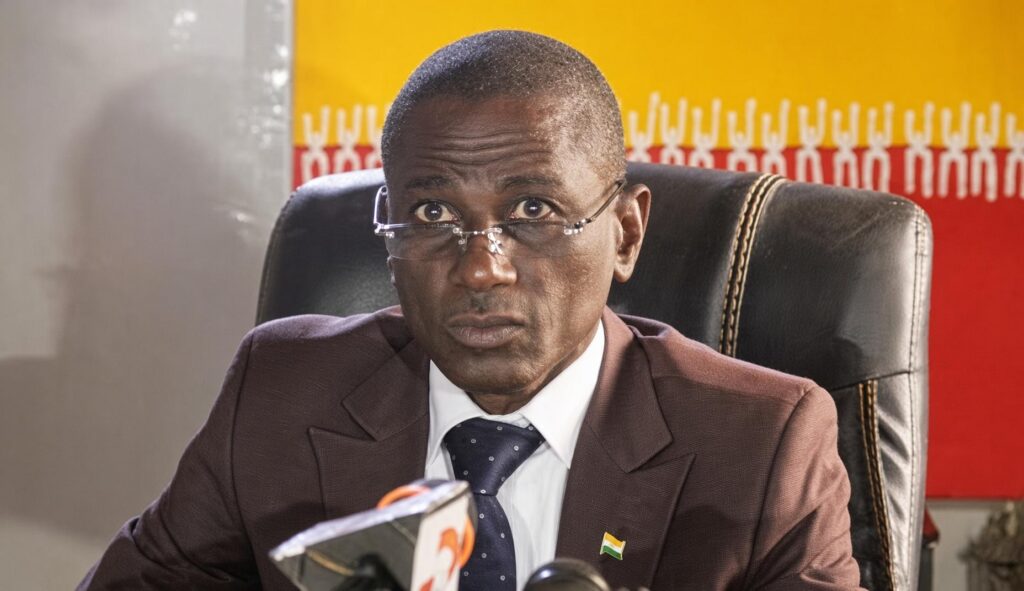
The Senegalese judicial calendar is taking shape as the High Court of Justice sets July 22 as the opening date for the trial of Aïssatou Sophie Gladima. Once the Minister of Mines and Geology under President Macky Sall, she faces charges in a court reserved exclusively for government officials accused of misconduct in office. After months under detention, the former minister now stands at the threshold of a historic legal reckoning that reflects Dakar’s ongoing commitment to accountability.
Rarely convened, yet politically charged
The High Court of Justice occupies a unique position within Senegal’s institutional framework. Composed of lawmakers elected by their peers, it is the sole tribunal authorized to try ministers for alleged crimes or misdemeanors committed in the line of duty. Its use remains exceptional—since independence, only a handful of cases have reached this stage—making each hearing a moment of profound political resonance beyond its legal scope.
The Gladima case fits into this brief but meaningful history. Her file was forwarded by the National Assembly following a vote to authorize her indictment, a mandatory step before proceeding to trial. Since then, the investigation has advanced, culminating in her referral to the court for public proceedings. Observers from the extractive sector will closely monitor the trial, given mining’s pivotal role in Senegal’s economy.
Government prioritizes anti-corruption in post-transition agenda
Since President Bassirou Diomaye Faye and Prime Minister Ousmane Sonko took office in 2024, the executive has made combating alleged embezzlement a cornerstone of its agenda. Former ministers, senior civil servants, and officials from the previous administration have faced detention, questioning, or prosecution. Gladima’s case aligns with this broader effort, alongside other proceedings handled by the financial crimes unit or the High Court, depending on the accused’s former position.
Between 2019 and 2022, Gladima oversaw the Mines and Geology portfolio during a period of rapid development in Senegal’s mining sector. The country advanced its gold mining operations in Kédougou, expanded phosphate production in Thiès, and prepared for offshore hydrocarbon extraction. Authorities are scrutinizing her management of public funds and key decisions made during her tenure. At this stage, the presumption of innocence applies, and her legal team has not disclosed its trial strategy.
Investors watch closely as mining sector faces scrutiny
Beyond the individual defendant, the trial’s outcome sends a clear message to international investors operating in Senegal’s mining industry. Long reliant on gold, phosphates, and zircon, the sector is now diversifying with new offshore oil and gas projects. Investors are particularly interested in how the judiciary handles past administrative decisions, including permit allocations and contract amendments signed during the previous administration.
For the current administration, the challenge lies in presenting airtight cases without fueling accusations of selective justice. Supporters of the former government frequently criticize these proceedings as politically motivated, while the Pastef coalition defends them as a demand for transparency from voters. On July 22, the High Court of Justice will become the stage for this debate, drawing attention from foreign embassies and development partners.
The format of the hearings, the list of witnesses, and the projected timeline for the verdict remain undisclosed. These details will shape the trial’s long-term impact on Senegal’s legal precedent regarding ministerial accountability.