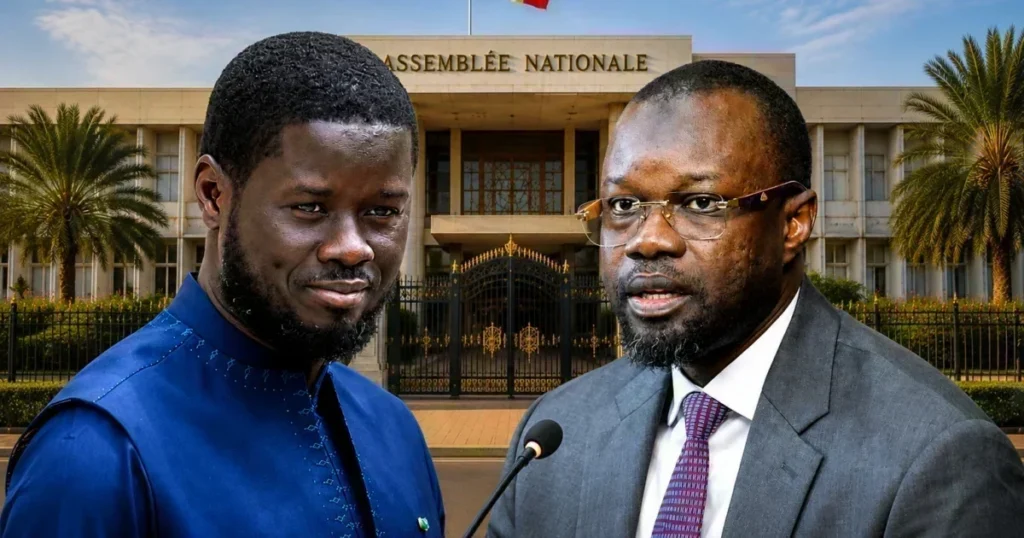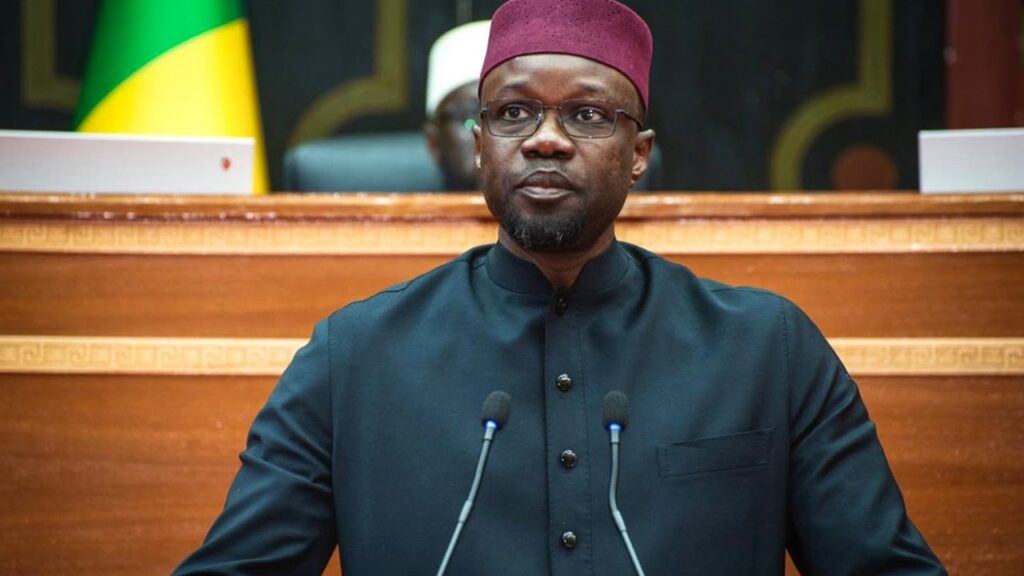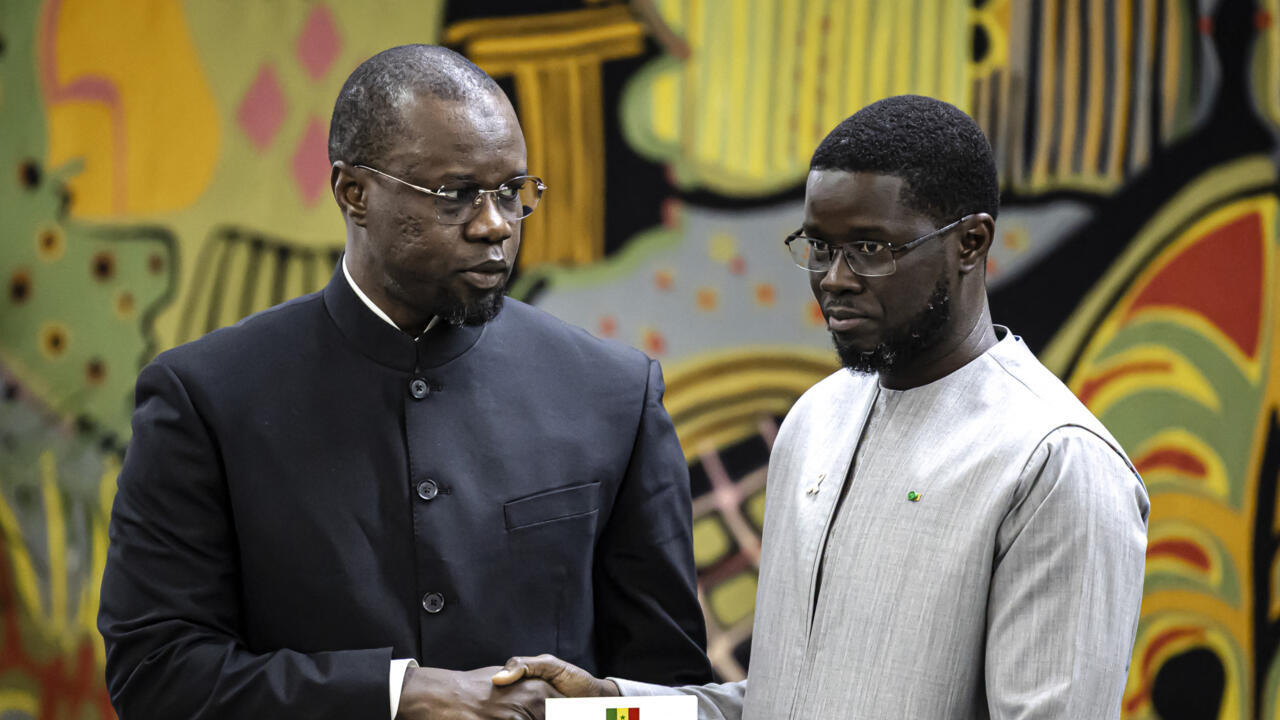
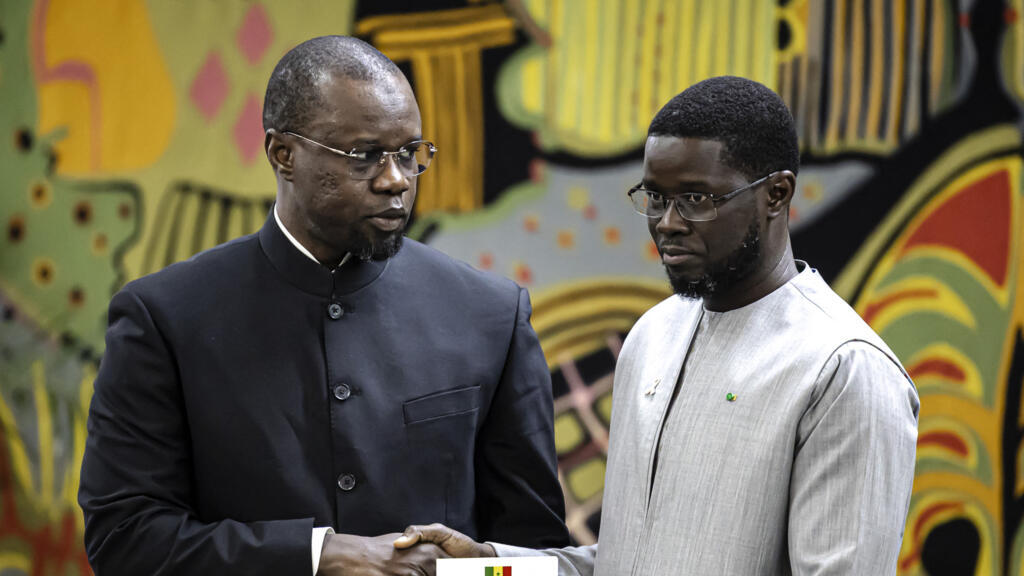
As Senegal navigates a pivotal phase in its political landscape, the nation finds itself at the heart of intense regional and international scrutiny. With the establishment of a new presidential party and the constitutional council’s recent decision to invalidate a reform backed by the parliamentary majority of Pastef—led by Ousmane Sonko—the administration of President Bassirou Diomaye Faye is charting a course toward a defining chapter in its governance.
a shifting political landscape
This strategic pivot by the head of state raises a pressing question: Will this bold initiative succeed in bridging the divide with opposition forces and securing the trust of the Senegalese public? The move comes at a time when the nation’s attention is also drawn to the broader African context, where geopolitical shifts and economic challenges demand astute leadership.
regional tensions and global stakes
Beyond Senegal’s borders, the world is grappling with escalating tensions in the Middle East. Recent military exchanges and retaliatory strikes have intensified, with the United States under President Donald Trump declaring the ceasefire “over.” Describing negotiations with Iran as “a waste of time,” Trump has hinted at further decisive military action, leaving the region on edge. Could this signal the beginning of a broader conflict?
Every week, African journalists and analysts dissect the continent’s evolving political and economic landscape, offering insights into both local and global developments. This week’s panel features:
- Wuldath Mama, Beninese journalist specializing in international affairs
- Eric Topona, Chadian journalist with Deutsche Welle’s Francophone Africa desk
- François Hiondi Nkam, senior reporter and head of the Economics desk at Cameroon’s *Le Jour* newspaper
the road ahead
The interplay of domestic reforms, regional instability, and global tensions underscores the complexity of Senegal’s current trajectory. As the nation prepares for the 2026 FIFA World Cup, the stakes could not be higher. Will the government’s strategic maneuvers solidify its position, or will the challenges ahead test its resolve?
The coming months will be critical in shaping Senegal’s future, both at home and on the world stage.