This week’s African debate examines the evolving political landscape in Senegal, the escalating crisis in the Middle East, and the implications of the 2026 World Cup for African unity. As the nation navigates these pivotal moments, the conversation turns to the resilience and strategic decisions shaping its future.
Senegal’s constitutional reform and political realignment
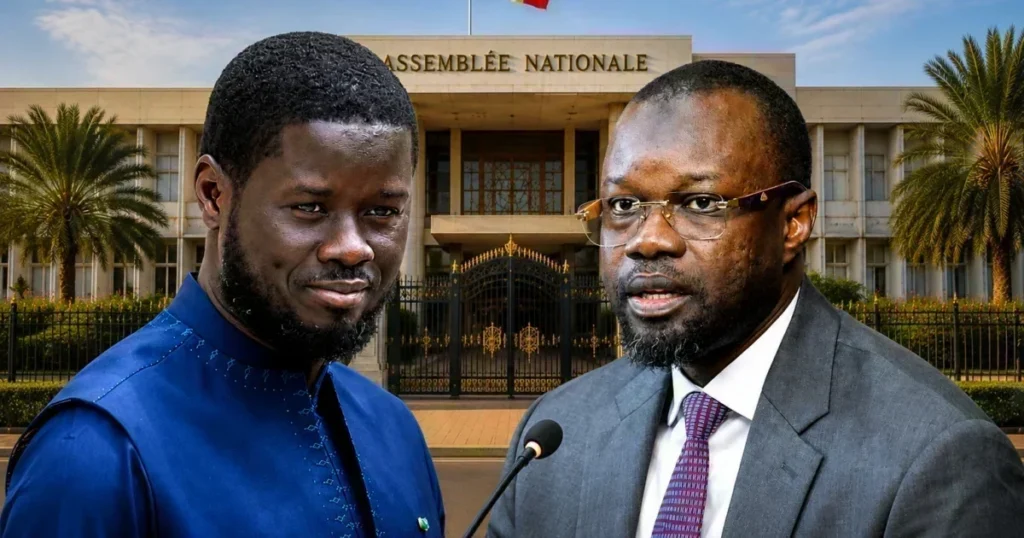
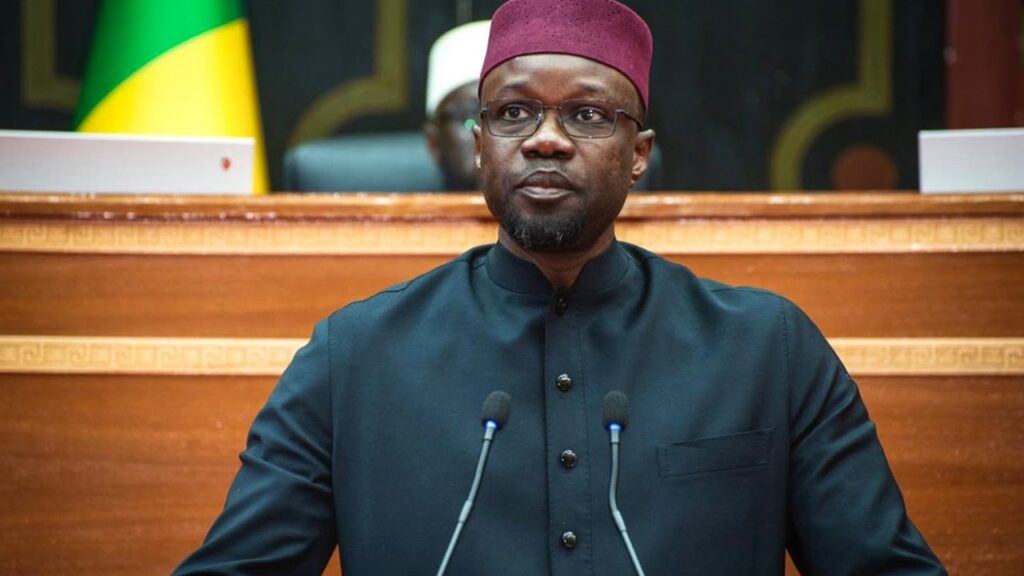
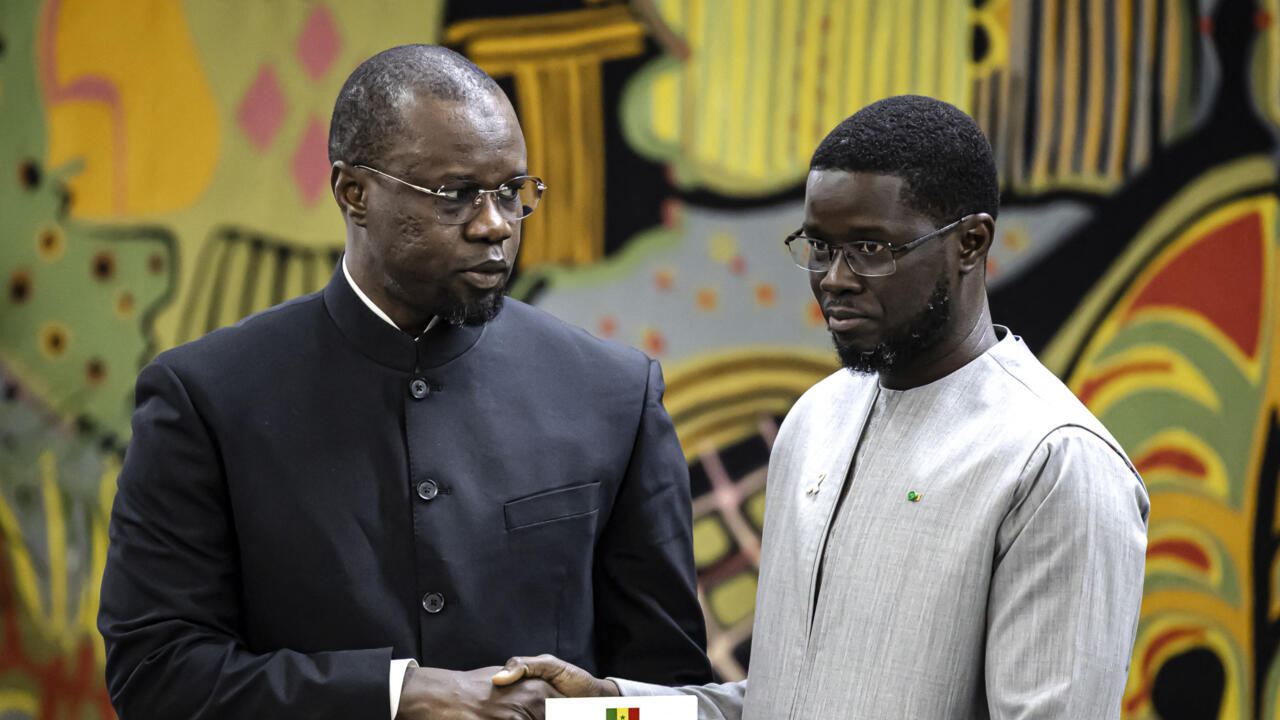
President Bassirou Diomaye Faye’s administration faces a critical juncture as it confronts the aftermath of the Constitutional Council’s decision to invalidate a key parliamentary reform proposed by the majority bloc led by Ousmane Sonko. The move to establish a presidential party underscores the administration’s intent to consolidate its agenda, but will this strategy bridge the divide with opposition forces or deepen political fractures? The coming weeks will reveal whether public sentiment aligns with the government’s vision.
Middle East tensions and their global ripple effects
In the Middle East, the conflict between Iran and its regional adversaries has intensified, with the latest exchange of strikes and counter-strikes prompting a sharp warning from the United States. President Trump’s declaration that the ceasefire is “over” and his dismissal of negotiations with Tehran as a “waste of time” signal a potential escalation. The question now is whether this trajectory will lead to broader military confrontation or force a return to diplomatic pressure.
African perspectives on global challenges
This edition of the African debate brings together a panel of seasoned journalists to dissect these developments and their implications for the continent:
- Wuldath Mama, Beninese journalist specializing in international affairs
- Eric Topona, Chadian journalist with Deutsche Welle’s Francophone Africa desk
- François Hiondi Nkam, senior reporter and head of the Economy desk at Cameroon’s *Le Jour* newspaper
Together, they explore how Senegal and other African nations can navigate these turbulent times while safeguarding their sovereignty and fostering regional stability.