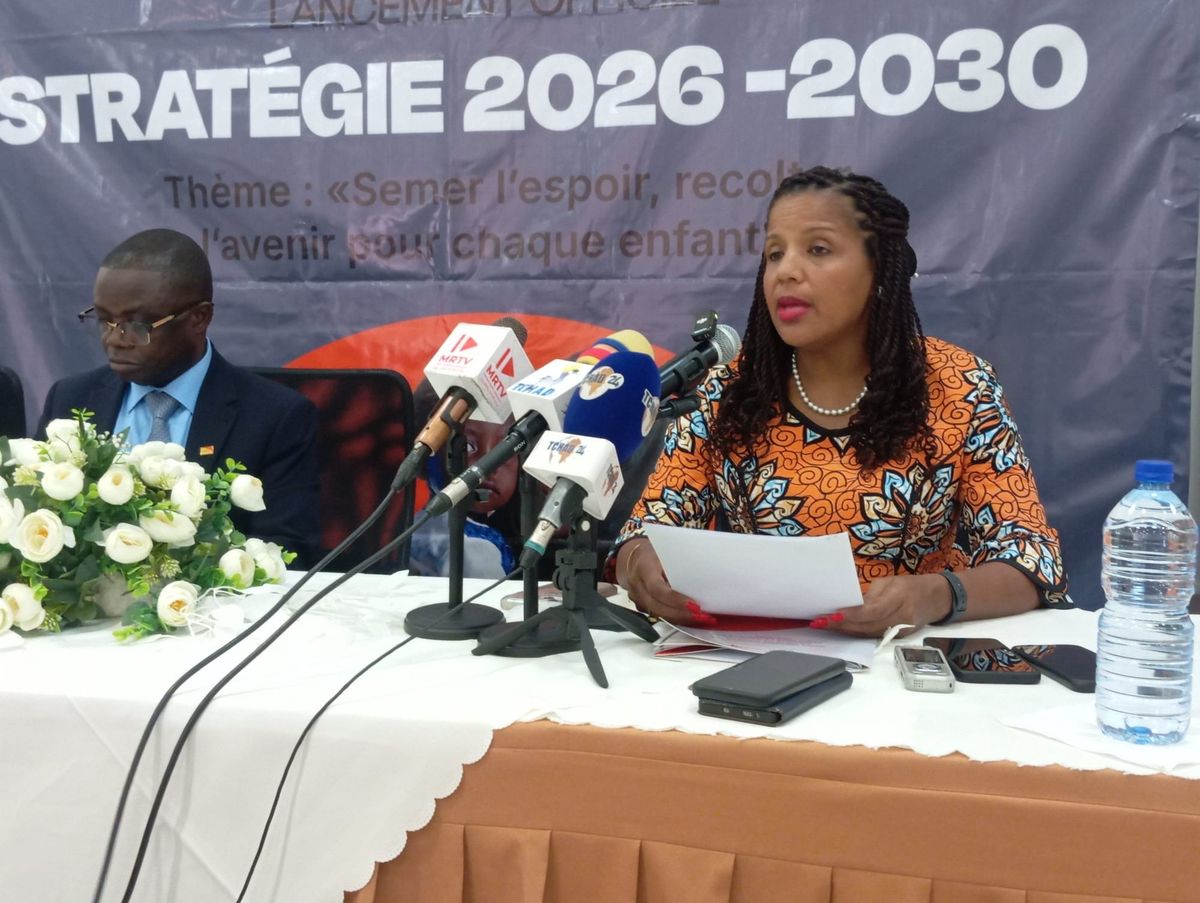
N’Djamena – World Vision Tchad has unveiled its ambitious five-year strategy for 2026-2030, marking a significant step forward in its mission to transform the lives of children across the country. During a high-profile press conference held earlier this month, the organization presented a comprehensive roadmap designed to positively impact 3.29 million children, with a special focus on reaching 3.09 million of the most vulnerable by the end of the decade.
The launch event, held at a prominent hotel in N’Djamena, brought together government officials, media representatives, technical partners, and financial backers to discuss the strategy’s key pillars. At its core, the initiative integrates humanitarian assistance, sustainable development, and peacebuilding into a cohesive framework known as the Humanitarian-Development-Peace Nexus. This approach aims to bridge emergency interventions with long-term solutions, ensuring that children not only survive but thrive in a stable and nurturing environment.
Carla Dominique Denizard, World Vision’s Regional Director for West Africa, emphasized the transformative potential of the strategy during her keynote address. She described it as bold and innovative, highlighting its alignment with continental and global development goals, including the African Union’s Agenda 2063 and the United Nations Sustainable Development Goals (SDGs 1, 2, 3, 4, 5, 6, 13, and 16). Denizard underscored the organization’s commitment to fostering human capital, enhancing social protection, and adapting to climate change while prioritizing child protection and education through initiatives like Unlock Literacy.
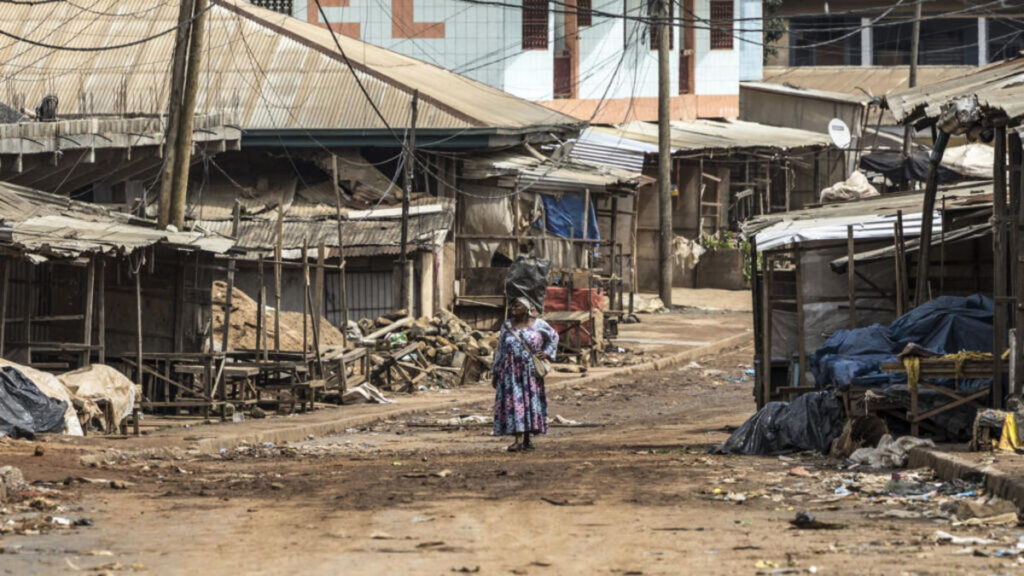
Édouard Ngoy Wangoy, National Director of World Vision Tchad, called the strategy a historic milestone for the organization and the children of Tchad. He noted that this plan represents a 20% increase in ambition compared to previous cycles, with a clear vision: ensuring every child in Tchad not only survives but flourishes. Ngoy Wangoy also addressed the pressing challenges facing the country, including entrenched poverty, chronic malnutrition, recurring humanitarian crises, and the far-reaching impacts of climate change—issues that disproportionately affect the most vulnerable populations.
The strategy outlines several priority areas, including:
- Integrated health and nutrition programs: Emphasizing maternal and child health to combat malnutrition and improve overall well-being.
- Education and literacy: Expanding access to quality education through innovative programs like Unlock Literacy to develop foundational reading skills in early childhood.
- Child protection: Strengthening systems to safeguard children from all forms of violence, exploitation, and abuse.
- Climate resilience: Building community resilience to withstand the effects of environmental degradation and climate-related disasters.
Following the presentation, World Vision Tchad’s leadership issued a call to action, urging national stakeholders—including government agencies, technical partners, civil society organizations, religious and community leaders, and media outlets—to collaborate in implementing the strategy. The organization stressed that collective effort is essential to turning current challenges into sustainable opportunities for Tchad’s children. By aligning with the country’s Vision 2030 and global development targets, this initiative aims to create a future where every child is protected, nourished, educated, and empowered to reach their full potential.