- Bénin
- Regional integration
Bénin’s strategic preparations for its african union presidency
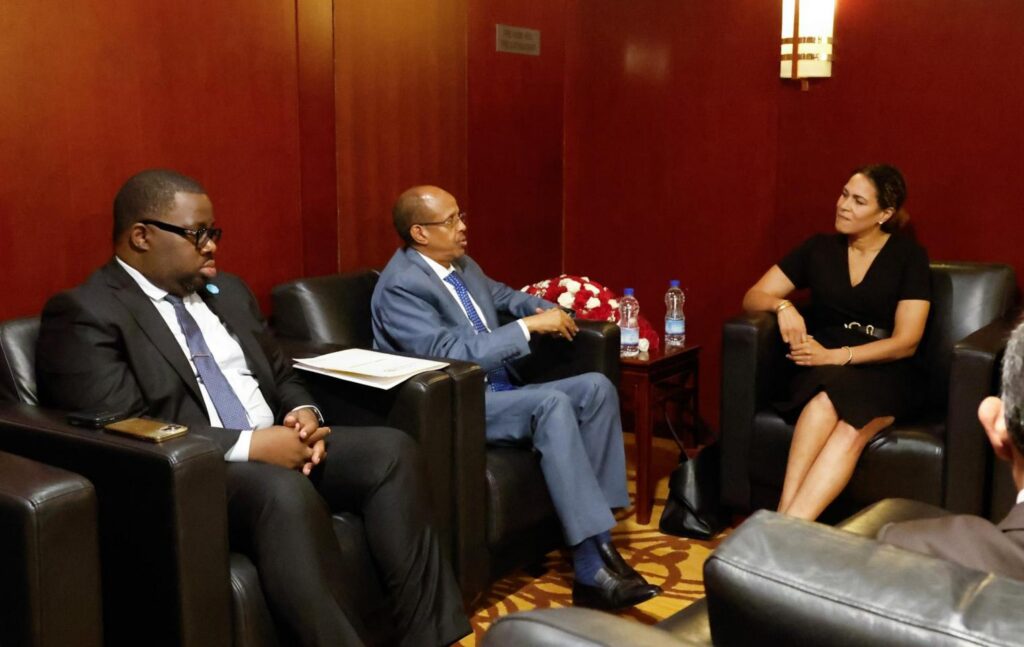
In the hushed corridors of the African Union headquarters in Addis-Abeba, a significant exchange unfolded. On July 28-29, 2026, Bénin’s Minister of Foreign Affairs, Corinne Amori Brunet, held strategic talks with Mahmoud Ali Youssouf, Chair of the AU Commission, on the sidelines of the 49th ordinary session of the Executive Council. This wasn’t mere diplomatic protocol—it was a deliberate move to shape Bénin’s upcoming leadership role.
The stakes couldn’t be higher. In September 2026, Bénin will assume the rotating presidency of the AU’s Peace and Security Council for a two-year term. This responsibility arrives after Bénin was elected to the Council in February 2026, marking a pivotal moment in its regional engagement. The Peace and Security Council stands as the continent’s most scrutinized body, where crises are arbitrated, peacekeeping missions mandated, and political transitions decided. For a mid-sized nation like Bénin, this spotlight presents both opportunity and challenge.
The timing amplifies the significance. Bénin’s presidency coincides with the 81st UN General Assembly in New York, where African priorities often gain global resonance. Cotonou sees this as a chance to amplify Africa’s voice on peace and security matters while strengthening the AU-UN partnership—a crucial alliance for addressing crises from the Sahel to the Horn of Africa.
For a country long viewed as a quiet player in regional affairs, this diplomatic exposure represents a strategic shift. Under President Romuald Wadagni, Bénin has deliberately cultivated a more assertive profile while maintaining its reputation for measured diplomacy. This trajectory reflects a clear ambition: to become a credible voice in continental matters without sacrificing its hallmark pragmatism.
The Addis-Abeba meetings underscore this evolution. By engaging directly with the AU Commission in advance, Bénin signals its intent to shape—not merely follow—the agenda. The security landscape demands nothing less. With armed groups expanding toward Gulf of Guinea coastal states, fragile Sahelian transitions, and regional tensions straining blocs like ECOWAS, the Council faces complex balancing acts. Success here will hinge on consensus-building rather than grand declarations.
Corinne Amori Brunet’s challenge is to translate this preparation into influence. Leading the Peace and Security Council requires setting agendas, navigating fraught negotiations between competing national interests, and striking a balance between firmness and inclusivity. A single misstep could erode political capital—but done right, it could demonstrate how diplomacy can compensate for limited geographic scale.
Yet the September presidency is just the opening act of a two-year mandate. Its true test will lie in how consistently Bénin champions its priorities once the ceremonial gavel passes. The coming weeks will reveal whether the meticulous groundwork in Addis-Abeba yields concrete initiatives during September’s UN session.
In a region where security fractures deepen daily, a voice committed to dialogue and methodical diplomacy is invaluable. By positioning itself at the heart of continental peace architecture, Bénin wagers that patience and precision remain strategic assets. The proof will arrive in September.