Cameroon president Paul Biya’s prolonged Swiss retreat fuels uncertainty
Switzerland emerges as the de facto center of power as Paul Biya marks over 65 days away from Cameroon, sparking concerns and opposition criticism.
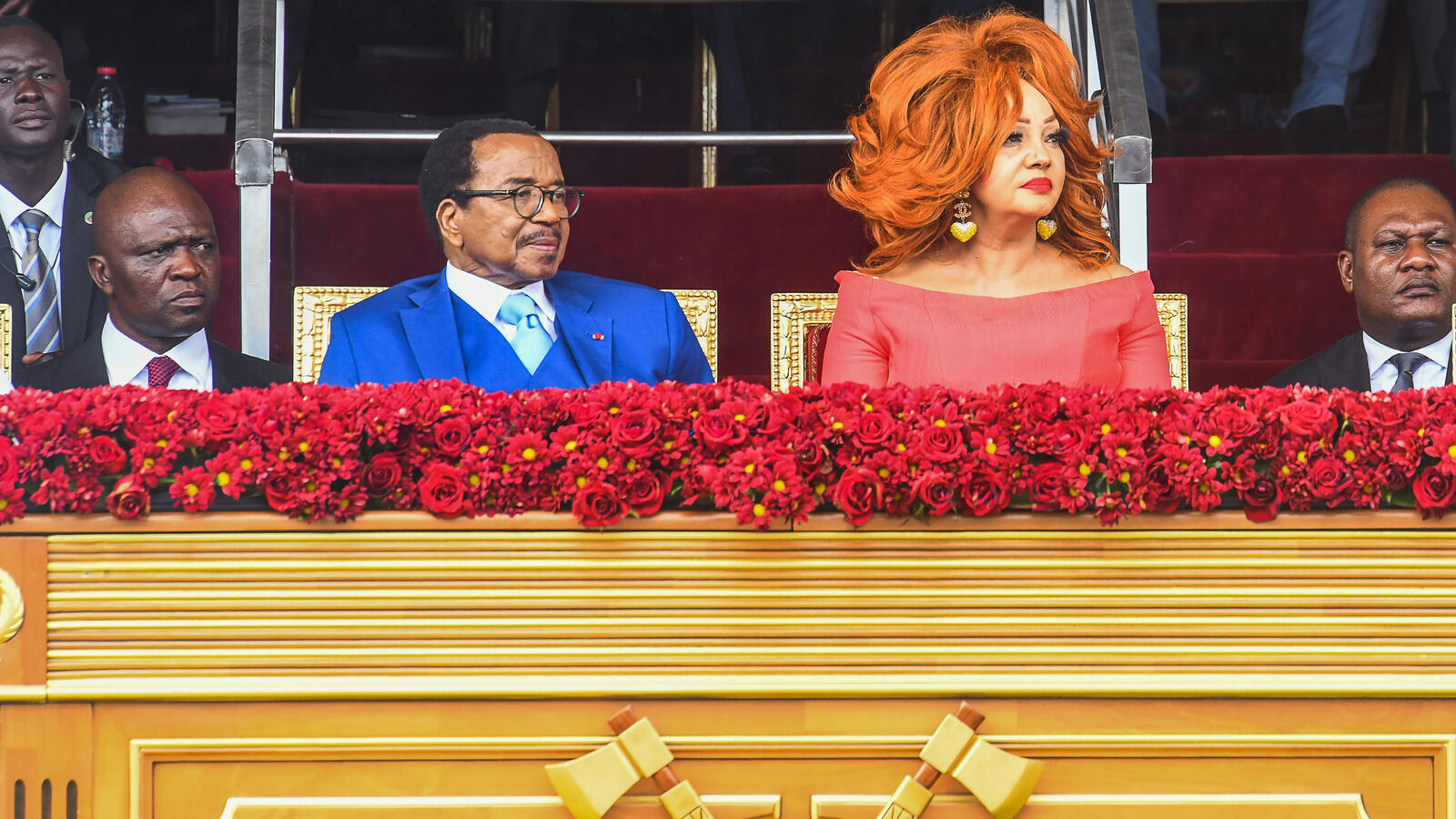
Geneva’s quiet streets have become an unlikely backdrop for Cameroon’s political drama. For more than two months, President Paul Biya—Cameroon’s leader for 43 years—has remained in Switzerland, raising questions about his health and the country’s governance. His absence, now surpassing 65 days, marks an unprecedented chapter in a presidency that has long operated behind closed doors.
The government insists Biya remains in charge, citing remote decrees and official statements. Yet, the silence from the presidency has done little to quell the growing unease among citizens and opposition figures. Speculation about his ability to lead from afar has intensified, with some questioning whether the aging leader is still physically present.
Power in Absentia: How Cameroon is Governed from Geneva
The president’s prolonged stay in Switzerland—where he reportedly received medical treatment—has transformed Geneva into an unofficial seat of power. Official decrees continue to be signed, but the lack of public appearances or direct communication has fueled doubts about the legitimacy of remote governance.
Opposition leaders argue that Biya’s absence undermines democratic norms. Without transparency on his condition or plans for a transition, the vacuum at the top risks destabilizing the country’s fragile political landscape.
Public Skepticism Grows Over Leadership Void
Cameroonians are left grappling with uncertainty as rumors swirl about Biya’s health and capacity. Social media platforms buzz with theories, while state media maintains a cautious silence. The absence of a clear succession plan further exacerbates concerns, leaving many to wonder about the future of Africa’s oldest continuous presidency.
The Unspoken Crisis: Governance Without a Visible Leader
Biya’s prolonged absence highlights a critical flaw in Cameroon’s political structure: a leadership model that relies heavily on a single figure. Without a designated successor or transparent transition process, the country faces a leadership crisis that could have far-reaching consequences.
As the days pass, the pressure mounts on Cameroon’s institutions to address the growing uncertainty. Whether through official statements or tangible actions, clarity is needed—not just to reassure the public, but to preserve stability in a nation already grappling with internal challenges.