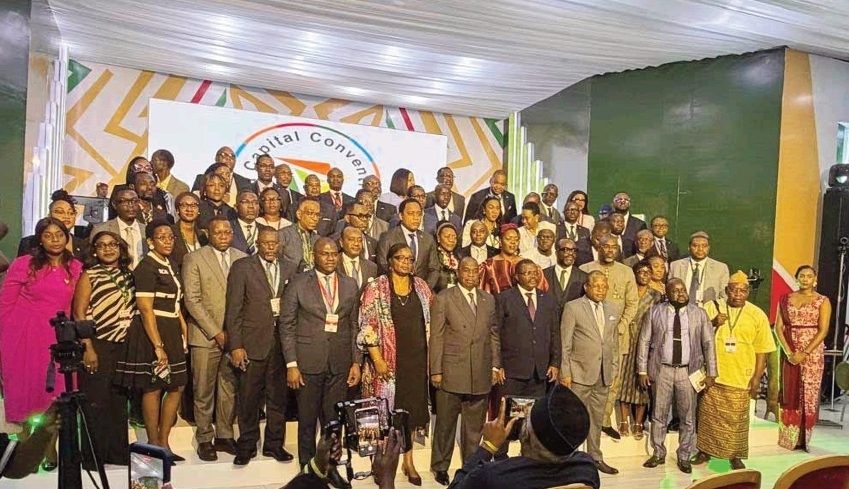
The first Diamond Capital Convention in Douala on September 24, 2026, marked a decisive turning point for Cameroon and CEMAC’s financial future. In a bold address, Finance Minister Louis Paul Motazé called for a deeper, more dynamic capital market capable of fueling real economic growth across critical sectors.
Standing before a gathering of public authorities, investors, financial institutions, and business leaders, Motazé underscored the urgent need to mobilize capital for sustainable development. The convention served as a rallying call to transform the financial landscape and accelerate Cameroon’s economic transformation within the Central African Economic and Monetary Community (CEMAC).
Redirecting capital flows toward high-impact sectors
In his keynote, Motazé emphasized the strategic importance of channeling financial resources into sectors poised for rapid growth and job creation. Key priorities include industrialization, local processing of raw materials, infrastructure, energy, and digital innovation. These sectors, he argued, represent the backbone of Cameroon’s economic diversification and long-term prosperity.
By strengthening capital market mechanisms, the minister highlighted the potential to unlock private investment, reduce reliance on public funding, and stimulate entrepreneurial activity. The goal? A self-sustaining economy where financial resources are efficiently allocated to productive ventures.
The savings mobilization challenge: building trust and credibility
Motazé identified the mobilization of domestic savings as a critical hurdle. A robust capital market, he stressed, must be credible, transparent, and inclusive. This requires strengthening regulatory frameworks, improving financial literacy, and protecting investors while fostering a culture of long-term savings.
The minister pointed to the role of financial instruments—such as bonds, equities, and investment funds—in bridging the gap between project owners and capital providers. Greater collaboration between financial institutions, regulators, and businesses is essential to unlocking these resources.
Trust, Motazé insisted, remains the cornerstone of this transformation. Without it, even the most ambitious financial reforms risk falling short.
From dialogue to action: the road ahead for Cameroon and CEMAC
The Diamond Capital Convention was more than a discussion—it was a launchpad for tangible solutions. Stakeholders are now tasked with crafting policies that deepen market liquidity, enhance competitiveness, and align Cameroon’s financial system with regional ambitions.
For CEMAC, the stakes couldn’t be higher. A stronger capital market means greater resilience to external shocks, improved access to financing for businesses, and a pathway to sustainable economic integration. Cameroon, as a regional economic hub, stands to benefit significantly from this momentum.
As the convention concluded, the message was clear: the time for incremental change is over. With decisive action, Cameroon and CEMAC can turn the page on financial underdevelopment and usher in a new era of prosperity.