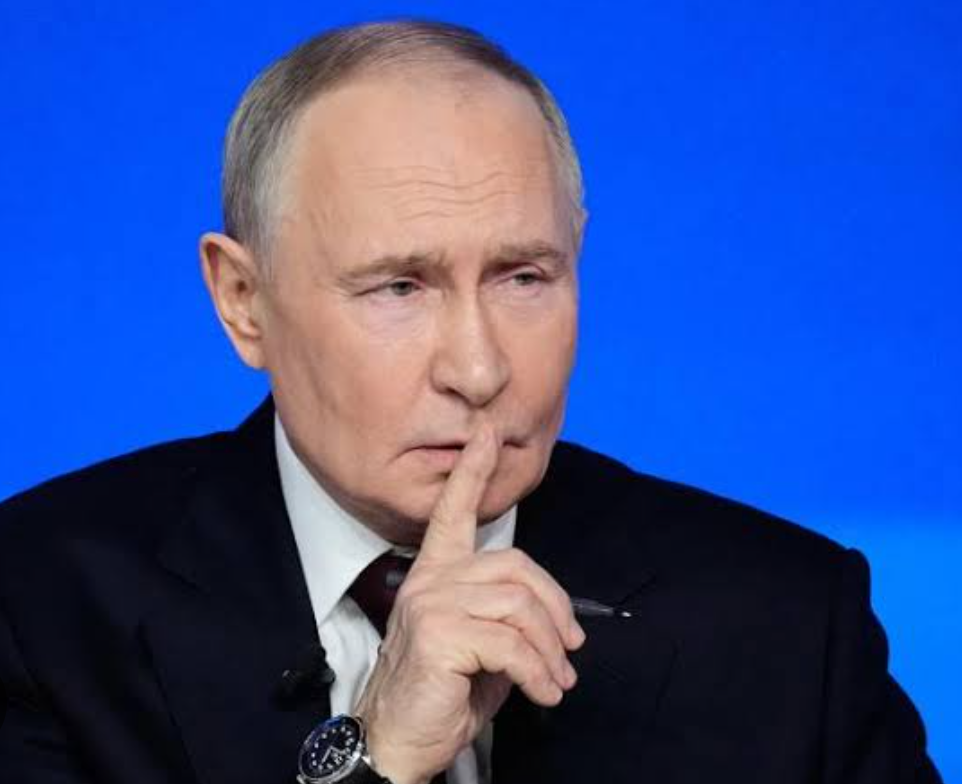
The Central African Republic stands at the center of escalating geopolitical debates as Russia’s influence continues to reshape its political and security landscape. Critics argue that Moscow’s growing presence, often linked to shadowy security arrangements, has sparked sharp public reactions and raised urgent questions about the country’s future direction. Public sentiment shifts amid Russian engagements Public opinion in the Central African Republic has become increasingly polarized, with growing skepticism about the long-term implications of Russian involvement. Debates rage over whether military cooperation has brought tangible benefits or merely entrenched external…
Read MoreCategory: International
Cameroon’s decade-long crisis: separatist leaders accused of exploiting chaos for personal gain
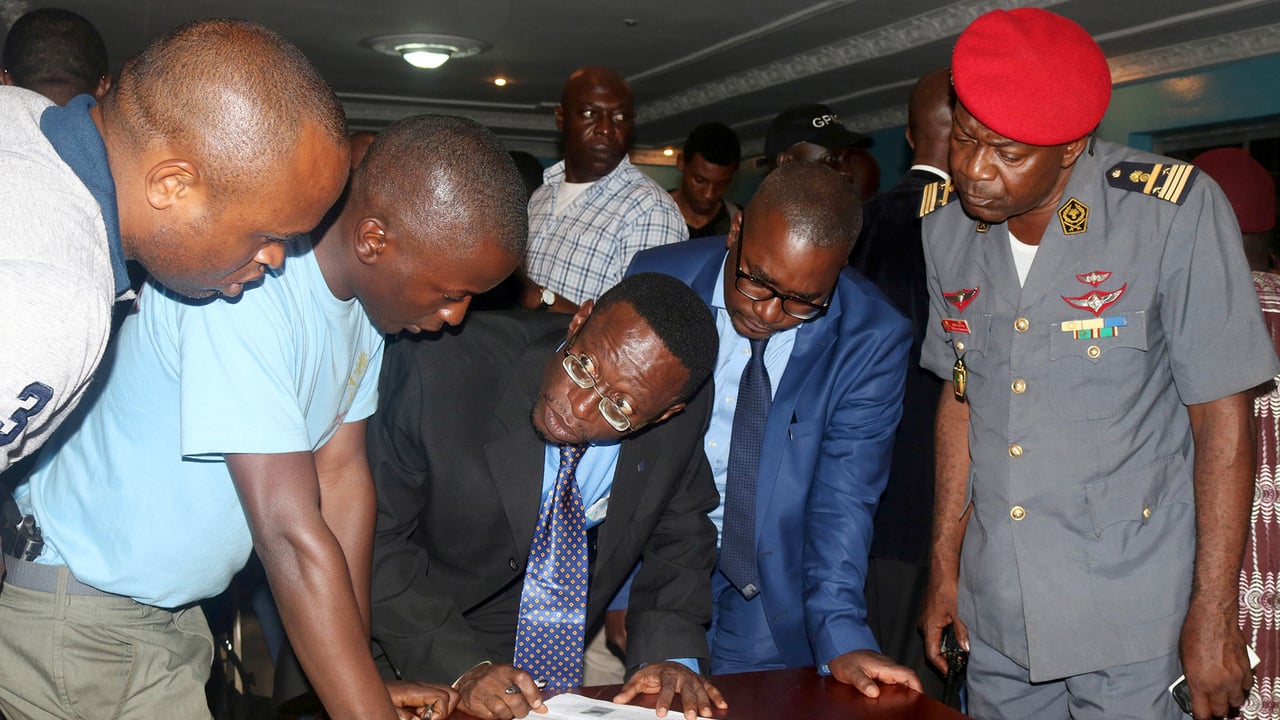
Ten years on: how anglophone separatists weaponized grievances into a predatory enterprise The aftermath of Cameroon’s anglophone crisis has exposed what critics call a calculated betrayal of the people’s original demands. As the country marks a decade since the first protests in October 2016, the debate over accountability and the true motives behind the separatist insurgency has intensified, with accusations of orchestrated manipulation and systemic exploitation of the civilian population taking center stage. A decade of escalation: from legitimate grievances to armed insurrection In October 2016, demonstrations by anglophone lawyers…
Read MoreFrench youth protests expose deep cracks in education system ahead of 2027 vote
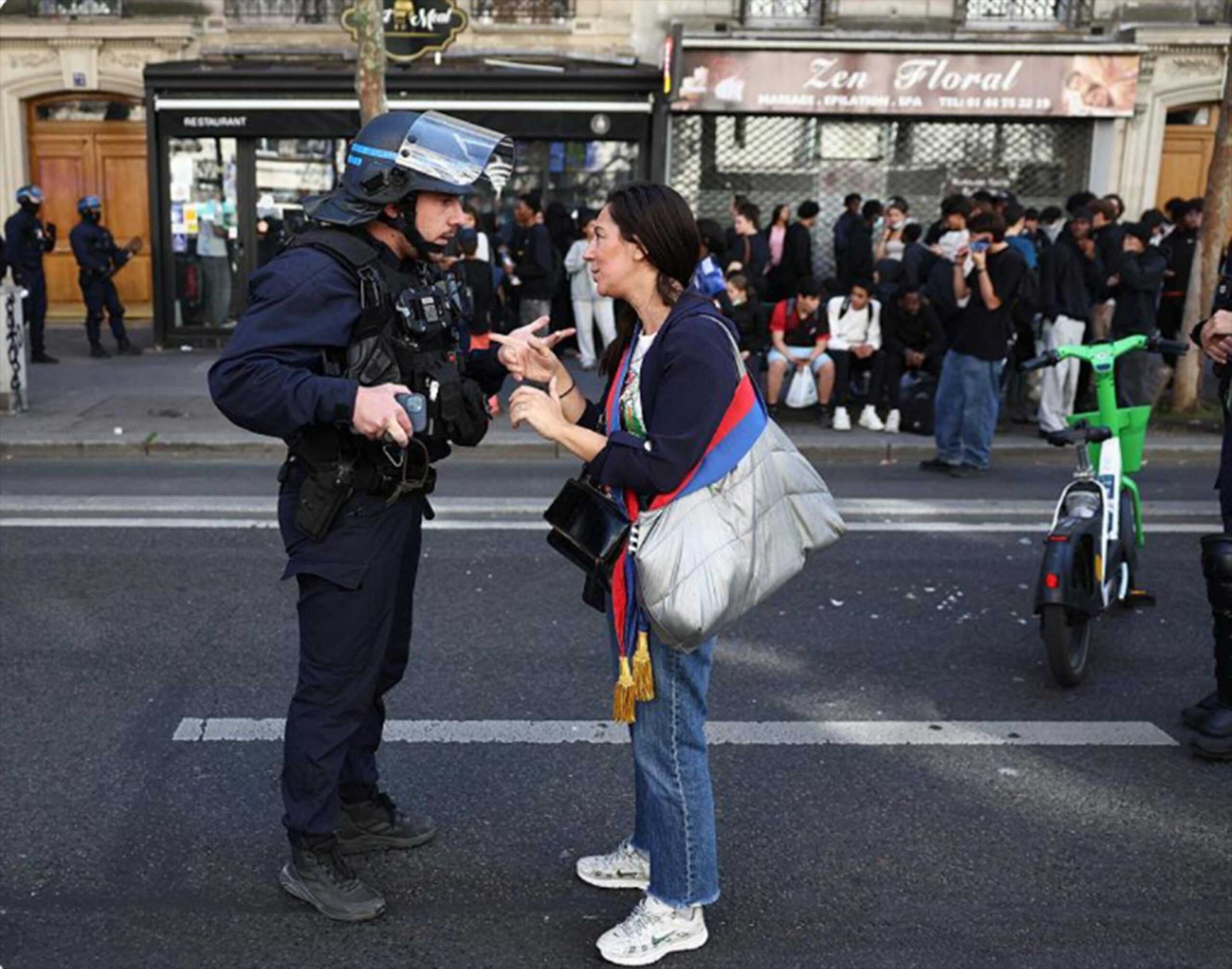
The streets of France are once again a battleground, this time with education at the epicenter of a growing storm. As the nation gears up for the pivotal 2027 presidential election, a wave of youth-led protests has exposed raw frustrations over crumbling school infrastructure, overcrowded classrooms, and what many young people describe as a broken promise of equal opportunity. The unrest, which began with high school students, has evolved into a broader social outcry, forcing politicians to confront uncomfortable questions about the future they’re leaving for the next generation. From…
Read MoreGabon’s press card revival sparks debate over press freedom amid tight deadlines
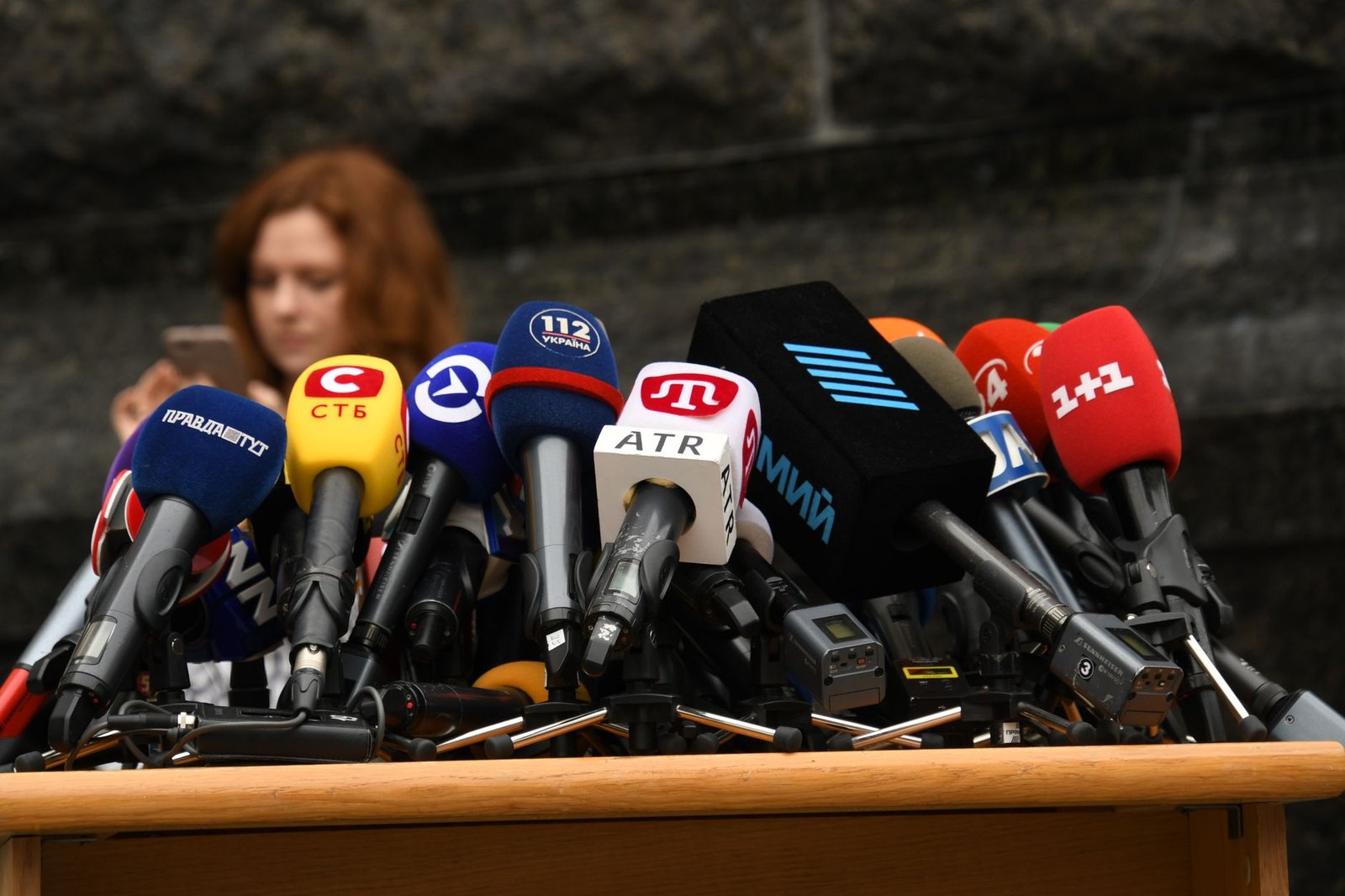
Gabon’s press card has returned after a five-year hiatus, reigniting discussions about the future of media freedom and institutional transparency. Announced this week in Libreville, the reopening of the accreditation system offers journalists a chance to reclaim an essential professional credential. However, the abrupt five-day filing window has raised eyebrows among media professionals, who question whether such a compressed timeline can ensure fairness. Five years of administrative limbo for Gabon’s journalists The absence of an updated press card dates back to 2019, leaving journalists operating in a legal gray area.…
Read MoreCameroun’s anglophone crisis: growing backlash against Yaoundé’s refusal to negotiate
International pressure mounts as Cameroon’s government faces mounting criticism for rejecting peace talks The refusal of Cameroon’s central authorities to engage in meaningful dialogue with anglophone separatist leaders has triggered a wave of global condemnation. Public opinion, human rights groups, and international observers are increasingly vocal about the need for urgent negotiations to end a decade of violence that has devastated the country’s Northwest and Southwest regions. Critics argue that Yaoundé’s hardline stance is not only prolonging the suffering of millions but also undermining the country’s long-term stability. Human rights…
Read MoreSenegal’s public arrears cleanup stirs debate over economic recovery and debt management
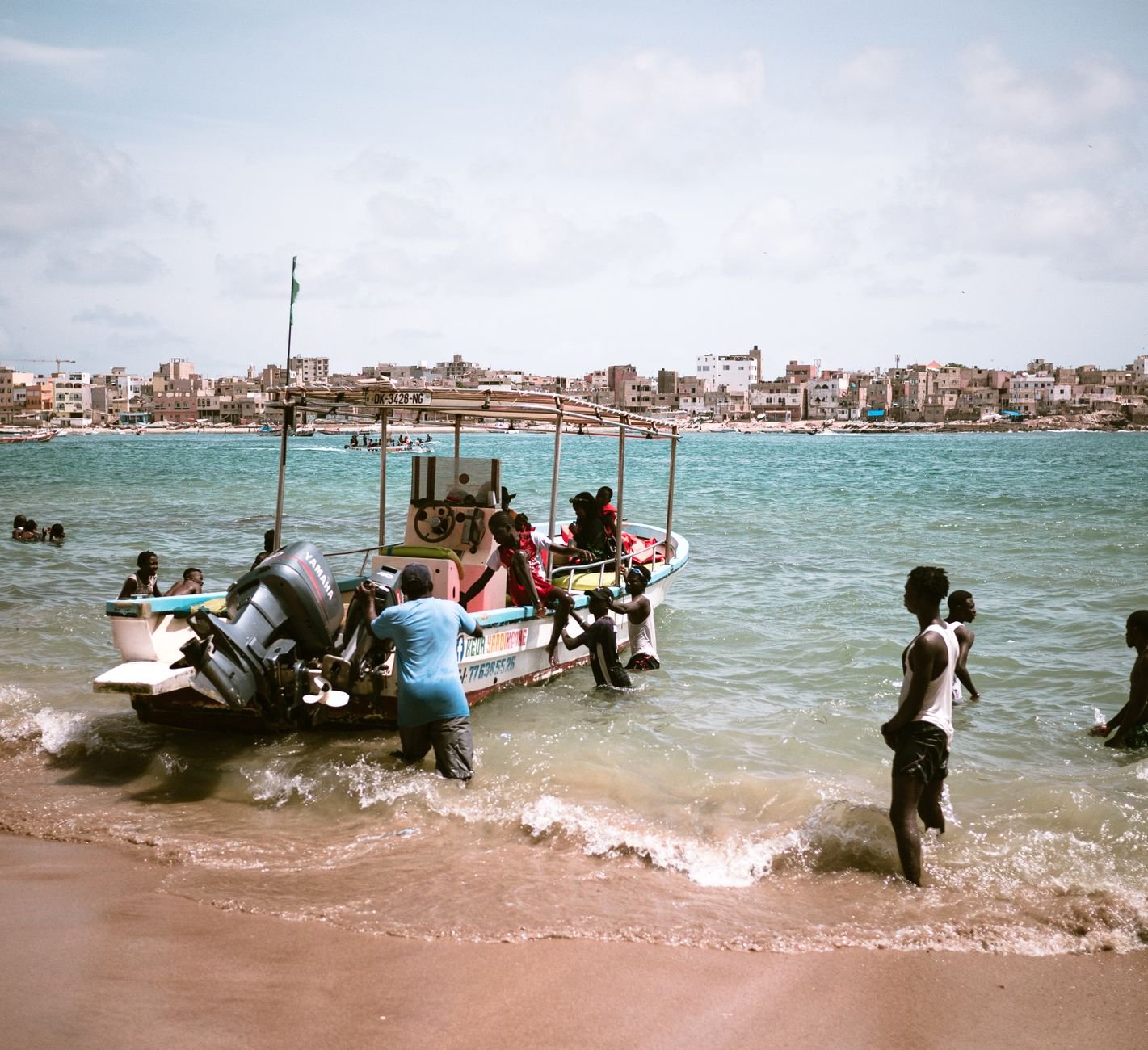
The Senegalese government has set an ambitious goal: clearing up to 1.9 trillion West African CFA francs (approximately €2.9 billion) in unpaid public bills before the end of the year. This move, announced by a senior official from the Ministry of Economy, Finance and Planning, places small and medium-sized enterprises (SMEs) at the forefront of creditor reimbursement. However, the initiative arrives amid tight budgetary constraints and raises critical questions about funding sources and long-term fiscal sustainability. Public arrears reveal deeper fiscal strain in Senegal The staggering 1.9 trillion FCFA figure—equivalent…
Read MoreMorocco’s new government sparks mixed reactions amid reshuffled priorities
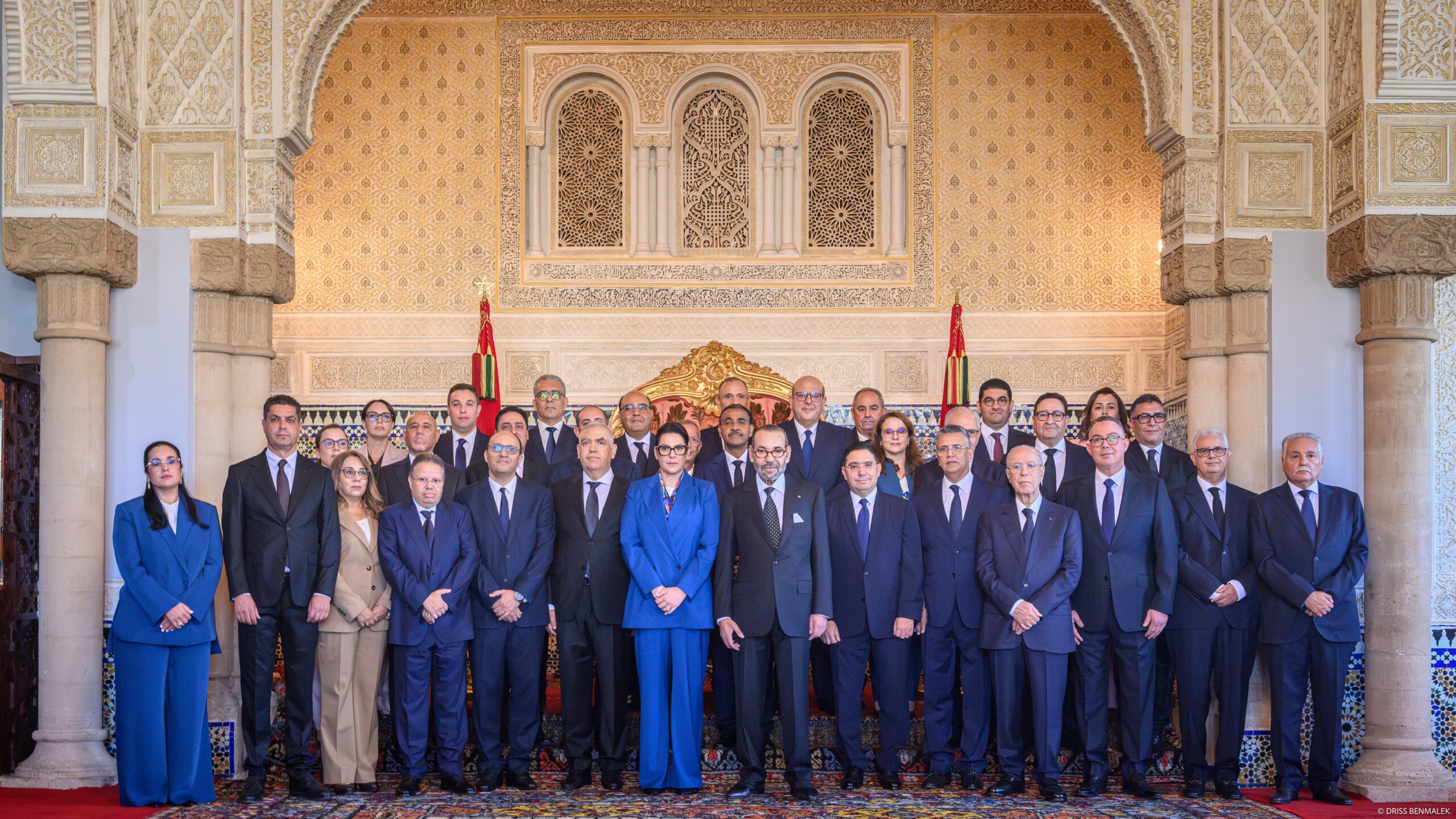
Morocco’s new government sparks mixed reactions amid reshuffled priorities The unveiling of Morocco’s freshly appointed cabinet has ignited intense public debate, raising questions about the new executive’s capacity to navigate economic challenges and regional instability. On Friday, October 16, 2026, King Mohammed VI presided over the swearing-in ceremony at the Royal Palace in Rabat, marking the official transition to a reshuffled government structure. What’s next for this administration? As citizens and analysts dissect the implications of the new appointments, early reactions underscore both cautious optimism and skepticism about the government’s…
Read MoreUS green card lottery faces court-mandated restart amid public scrutiny
Federal judge forces deadline on delayed diversity visa program The future of the US diversity visa lottery (DV-2027) has become a lightning rod in an escalating public debate after a federal judge in California imposed strict deadlines on the State Department, mandating that the long-delayed green card lottery must open for applications no later than November 1, 2026. Court intervention cuts through administrative delays On October 14, 2026, Judge Jinsook Ohta of the US District Court, Southern District of California, issued a preliminary injunction requiring the State Department—currently led by…
Read MoreIvory Coast’s electoral reform sparks nationwide debate on trust and governance
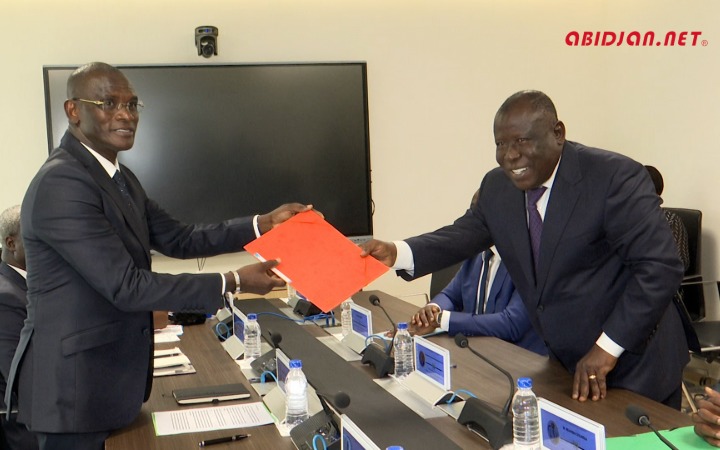
Ivory Coast’s electoral reform sparks nationwide debate on trust and governance The government of Côte d’Ivoire has formally submitted a groundbreaking proposal to establish a new electoral body, igniting intense public reactions and sparking a national conversation about the future of democratic processes in the country. Opposition figures, civil society organizations, and citizens alike are weighing in on the implications of this reform, raising questions about its potential to restore or further erode public trust in elections. Government pushes forward with electoral body reform amid scrutiny The ruling Rassemblement des…
Read MoreSpain’s high-speed rail crisis: how a train fire near Zaragoza forced 283 passengers to evacuate and halted Madrid-Barcelona traffic
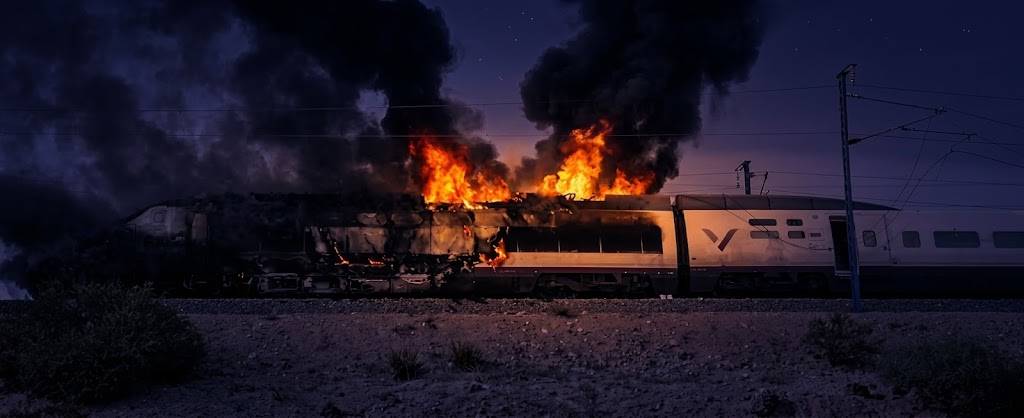
What began as a routine Monday afternoon journey on Spain’s flagship high-speed rail network turned into a decisive test of emergency response when a fire broke out aboard an AVE train, forcing the evacuation of 283 passengers and bringing one of Europe’s busiest rail corridors to a standstill. The incident unfolded on October 12 near Ricla in the province of Zaragoza, in the Aragon region, disrupting high-speed rail traffic between Madrid and Barcelona for several hours. The train, operated by Renfe, was traveling from Madrid’s Puerta de Atocha station to…
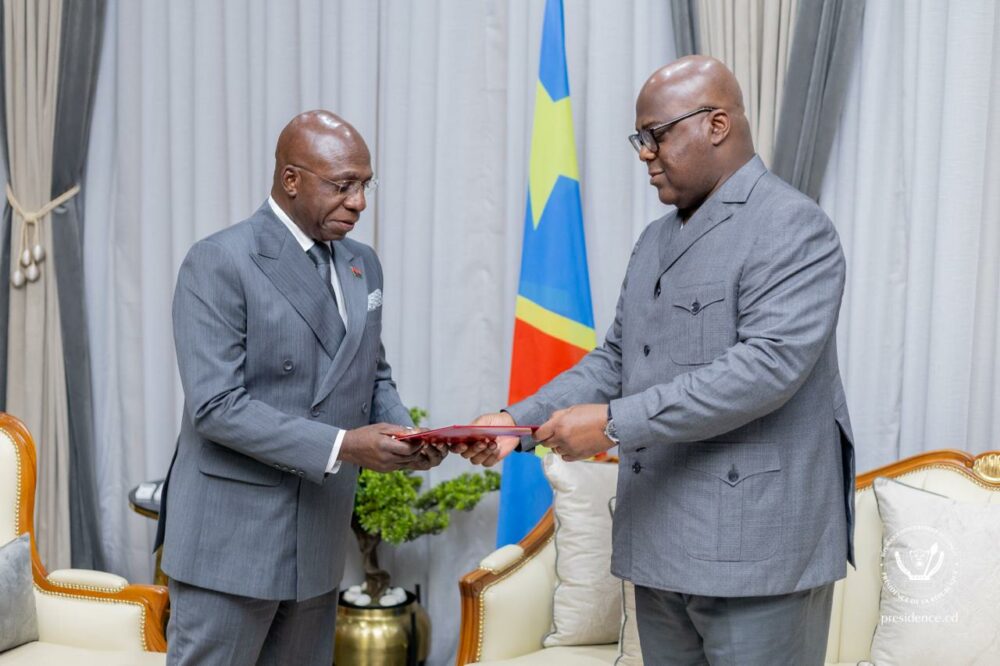
Read MoreAngola’s decisive pledge to Kinshasa marks a turning point for eastern DRC security
By Aïcha Abdou — Journalist
Read MoreRussia’s Baltic Nazi ruling marks a decisive turning point in the memory war
The Russian judiciary’s decision to designate thirteen individuals and five organisations from the Baltic states as accomplices of Nazi Germany is not merely a historical reckoning. It is a decisive turning point that transforms a Second World War episode into a live instrument of political confrontation. By invoking the defence of its “national interests” alongside the memory of wartime crimes, Moscow signals a major shift: history itself has become a frontline. The ruling lands at a moment when tensions between Russia, the Baltic states and NATO have reached an unprecedented…
Read More