Mali authorities urged to abandon plan to dissolve political parties
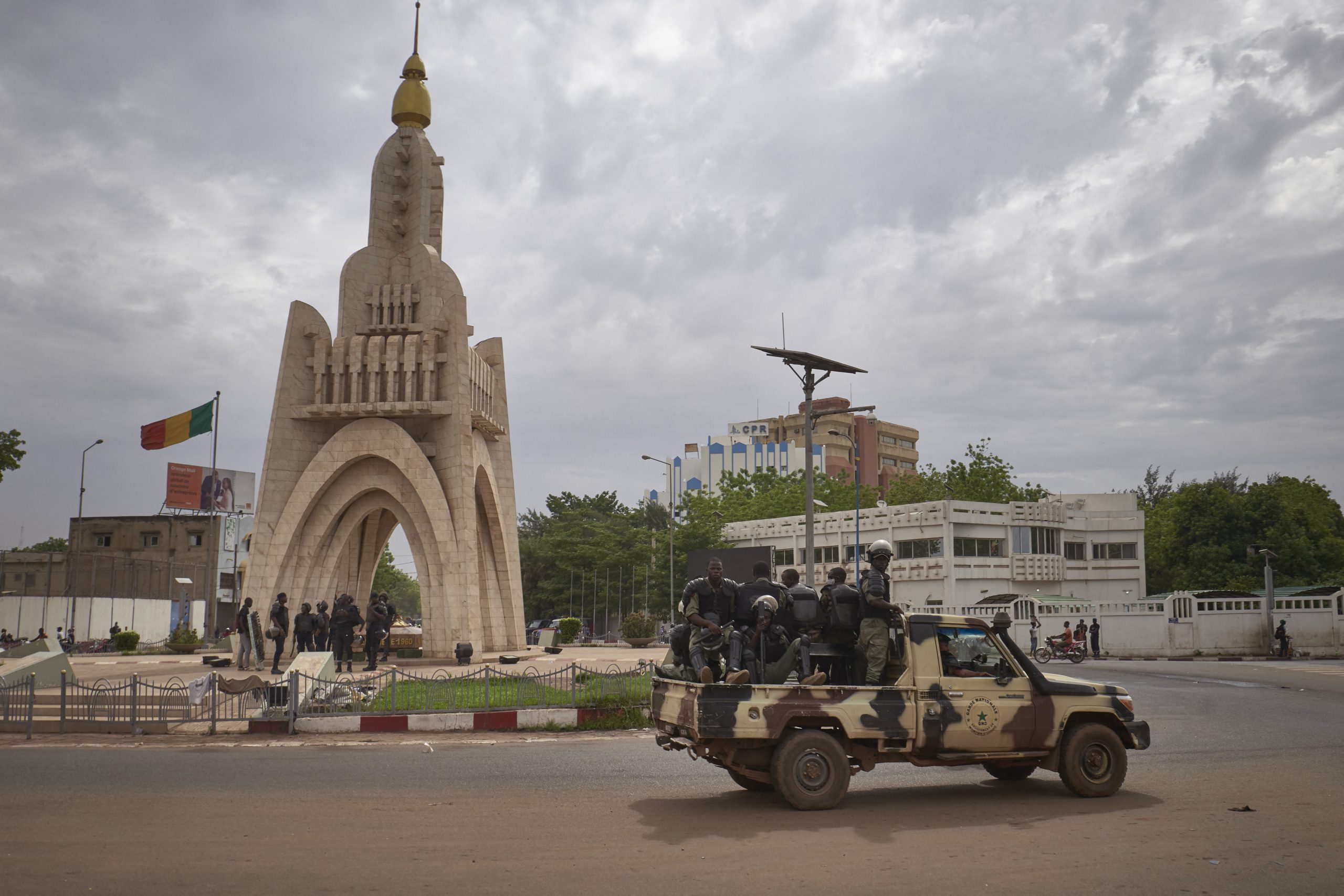
Why dissolving Mali’s political parties is a dangerous step Ousmane Diallo, a Sahel researcher at Amnesty International’s regional office for West and Central Africa, has strongly criticized a proposal to dissolve all political parties in Mali following consultations on revisions to the Political Parties Charter. He warns that such a move would blatantly violate fundamental rights, including freedom of expression and association. Diallo urges authorities to halt the growing crackdown on civic space and uphold the human rights of all citizens—especially critics, human rights defenders, and opposition members. He emphasizes…

Read More

Crackdown on dissent in Burkina Faso targets critical voices

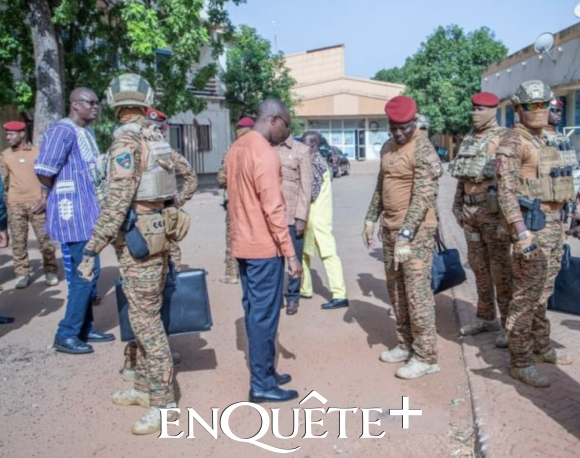
The Burkina Faso authorities have escalated their crackdown on dissent by listing several journalists and activists—now living in exile—among individuals sought for alleged ties to terrorist-linked criminal associations. What appears to be a legal maneuver is widely seen as a thinly veiled tactic to silence media scrutiny and suppress opposition voices. escalating repression under the guise of counter-terrorism Recent actions by the Burkina Faso government reveal a troubling pattern: the inclusion of critical journalists and activists on a “wanted” list under the charge of “criminal association in relation to a…

Read More

Sahel junta regimes risk justice as countries exit ECOWAS

The Sahel region is facing a troubling shift as military juntas in Burkina Faso, Mali, and Niger tighten their grip on power, each sharing a dangerous disregard for accountability. These regimes share three critical—and concerning—commonalities. First, they are all governed by unelected military leadership. Second, they are notorious for committing severe human rights violations, including widespread civilian atrocities in conflict zones, alongside systematic suppression of civil and political freedoms. Third, they have collectively withdrawn from the Economic Community of West African States (ECOWAS). While this final point may seem unrelated…

Read More

Military juntas in Burkina Faso, Mali and Niger face legitimacy crisis amid repression

The military juntas in Burkina Faso, Mali, and Niger are facing deepening crises of legitimacy as they resort to widespread repression, arbitrary detentions, and restrictions on freedoms. This crackdown has left human rights defenders and journalists in a precarious position, struggling to operate under mounting pressure. why repression fails to hide systemic failures Alioune Tine, President of Afrikajom Center, highlights the growing difficulties faced by these regimes. ‘’The reality today is that Captain Ibrahim Traoré’s regime in Burkina Faso, and its counterparts in Mali and Niger, are trapped in a…

Read More

Bénin’s Démocrates party advocates for diplomatic resolution in Niger crisis

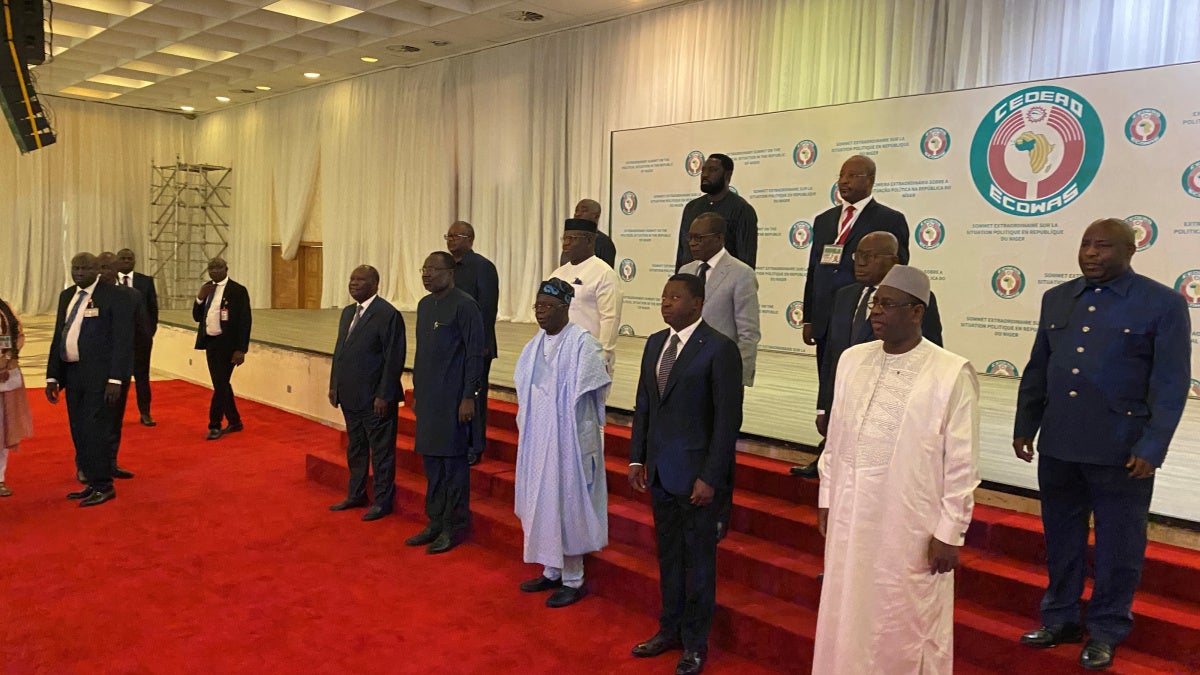
The escalating political turmoil in Niger, coupled with the looming prospect of military intervention by the Economic Community of West African States (ECOWAS) against the Nigerien putschists, has deeply troubled Bénin’s opposition party, “Les Démocrates”. In a press release issued on Saturday, August 5, 2023, Eric Houndété, the party’s president, asserted that the military coup in Niger not only propels this neighboring nation into a precarious situation but also “attracts opportunistic individuals accustomed to exploiting such crises.” “Les Démocrates” unequivocally “condemns any seizure of power by force, irrespective of its…

Read More

Benin’s constitutional reforms: a new political landscape emerges

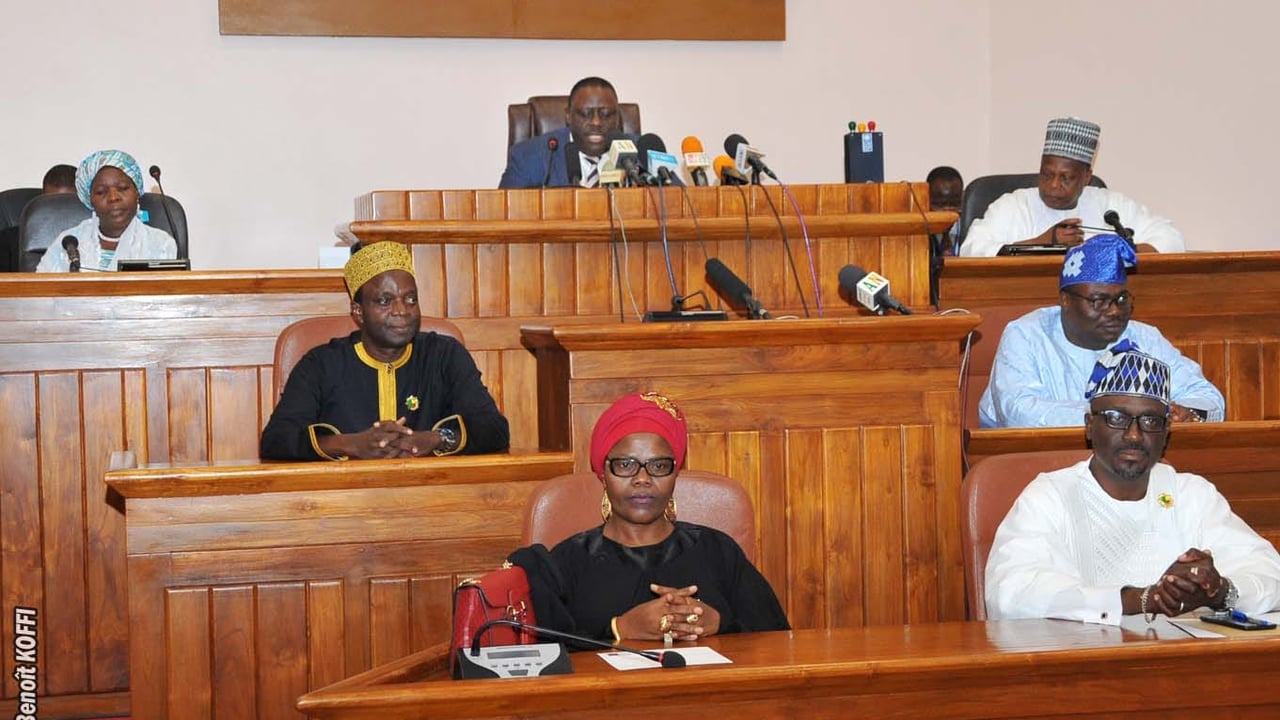
A significant constitutional amendment, swiftly enacted on November 1st, introduces a “presidential ticket” system for Benin. This new framework mandates the simultaneous election of both the President of the Republic and a Vice-President, requiring an absolute majority of votes over two electoral rounds. Further provisions within the revised constitution include the abolition of the death penalty and the establishment of a dedicated Court of Accounts. Additionally, it enshrines the principle of affirmative action to promote female representation in electoral processes. Legislative terms for members of parliament are now capped at…

Read More

Burkina Faso’s political transition: navigating a complex path

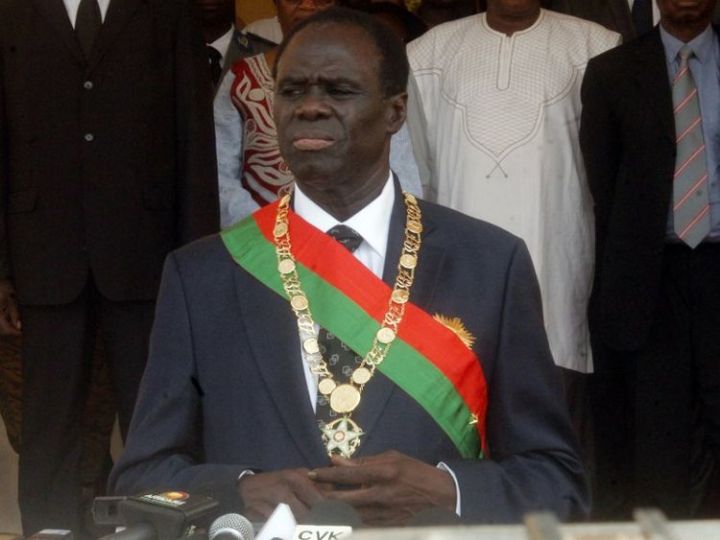
The interpretation of a coup d’état frequently shifts based on the perceived interests and goodwill of the international community, often endorsed by neighboring states. In Burkina Faso, the appointment of Transitional President Michel Kafando was deemed unconstitutional, setting the stage for the nation to operate with newly established institutions for at least a year. Like a complex construction set, the provisional institutions of the transition have been gradually falling into place. Following the dramatic departure of Blaise Compaoré, the ‘Sphinx of Kosyam,’ and the subsequent appearance of military uniforms on…

Read More