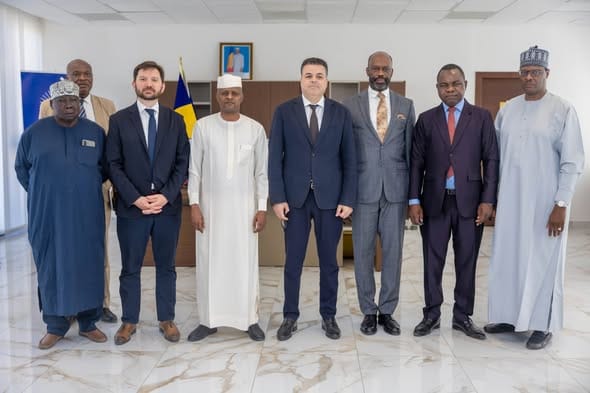
The International Monetary Fund (FMI) has launched a crucial two-week mission in Chad’s capital, N’Djamena, diving beneath the surface of the nation’s economic strategy. Leading this intensive dialogue is Julien Reynaud, whose team engages directly with top officials, private sector leaders, and development partners from November 16 to 26, 2026.
This behind-the-scenes engagement is more than a routine check-up—it’s an analytical deep dive into the root causes shaping Chad’s financial landscape. The agenda cuts to the core of pressing issues: how public debt is managed, how oil and banking sectors are performing, and the quality of governance shaping national decisions. These conversations serve as a reality check on budget execution for 2026 and lay the groundwork for the 2027 fiscal framework, rooted in Article IV guidelines.
The stakes behind the FMI mission in N’Djamena
The timing and intensity of this mission are anything but coincidental. At the heart of the discussions sits Tahir Hamid Nguilin, Chad’s Minister of Finance, Budget, Economy, Planning, and International Cooperation. His role is pivotal—not just as a participant, but as the key interpreter of Chad’s economic narrative to the FMI team. Together, they dissect the numbers, the bottlenecks, and the untold policy gaps that could define whether Chad’s economy accelerates or falters in the coming year.
What drives these consultations beyond the headlines?
The mission’s agenda reveals a deliberate focus on systemic challenges, not just superficial figures. Three core areas dominate the talks:
- Budget execution in 2026: How effectively are public funds being allocated and spent? The FMI probes the efficiency of resource distribution and the hurdles in revenue mobilization.
- Public debt sustainability: With global financial pressures mounting, the focus turns to Chad’s ability to service its debt without compromising essential services or growth.
- Oil and banking sectors: These sectors are the lifelines of Chad’s economy. The mission assesses their resilience, transparency, and potential to fuel broader economic stability.
The invisible threads: governance and future planning
While oil and budget numbers dominate headlines, the FMI’s analysis extends into the less visible dimensions of governance. Are fiscal policies aligned with long-term goals? Are institutions equipped to implement reforms? These questions form the backbone of the consultations, determining whether short-term adjustments can transform into lasting progress.
As the mission continues, the outcome hinges not just on data shared, but on the willingness to confront structural weaknesses. For Chad, this is a moment to align its economic future with a clear-eyed assessment of what’s working—and what isn’t.