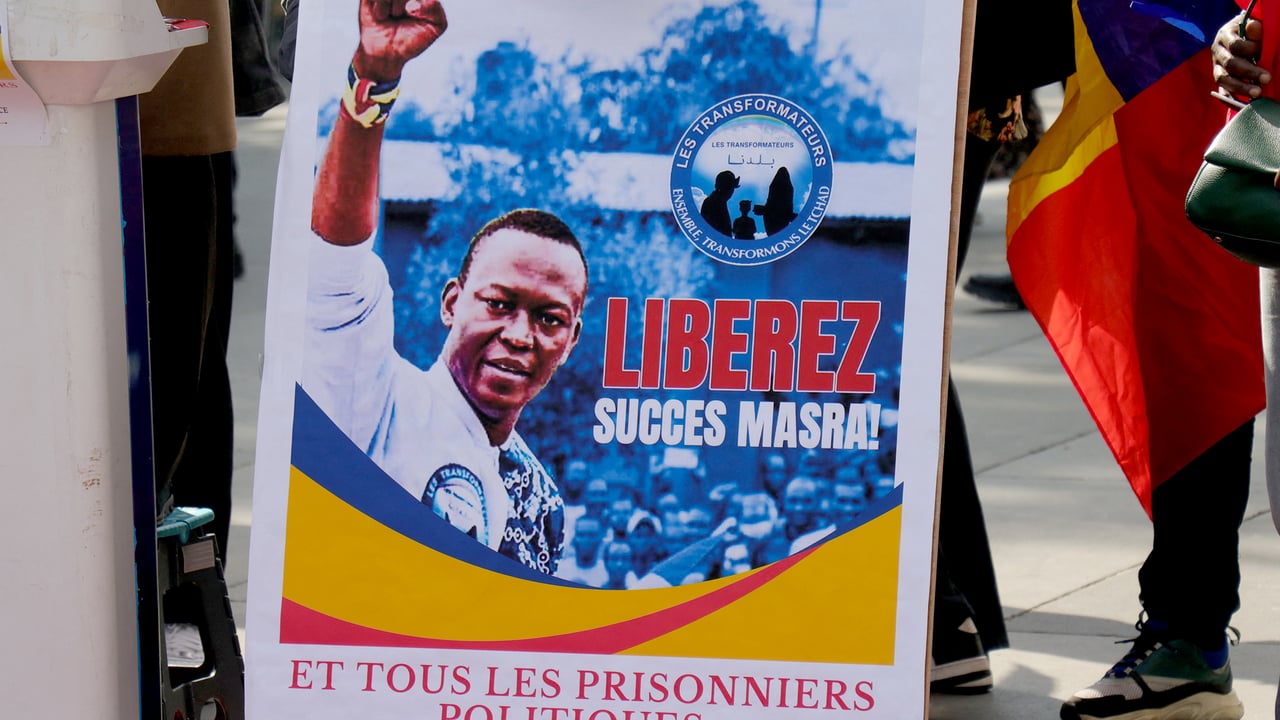

One year after his imprisonment, Succès Masra, Chad’s most prominent opposition figure, has become the focal point of clandestine negotiations with the transitional leadership. Behind closed doors, Mahamat Idriss Déby Itno and Masra’s representatives are engaged in delicate discussions aimed at reshaping the country’s political landscape.
Masra’s detention, initially perceived as a crackdown on dissent, has unexpectedly opened channels for dialogue. Observers note that the year-long stalemate is giving way to cautious optimism as both sides explore avenues for reconciliation.
From detention to dialogue: the turning point
Masra’s arrest in 2024 marked a sharp escalation in political tensions. His supporters, both domestically and abroad, mobilized relentlessly, staging protests that echoed from N’Djamena to European capitals. Yet, behind the scenes, a different narrative was unfolding—one of quiet negotiations.
The transitional government, led by Mahamat Idriss Déby Itno, has shown signs of shifting its stance. Sources close to the process reveal that discussions have centered on Masra’s potential return to the political arena, though under stringent conditions. The government appears to be testing the waters for a broader détente with the opposition.
Key issues in the secret talks
The negotiations have revolved around several critical points:
- Reform of the electoral framework: Ensuring fair and transparent elections remains a non-negotiable demand for Masra’s camp.
- Power-sharing agreements: Talks have explored mechanisms to integrate opposition voices into transitional governance structures.
- Judicial guarantees: Masra’s legal team has pushed for his release as part of a broader amnesty initiative.
While details remain scarce, insiders suggest that progress has been incremental. The government’s willingness to engage contrasts sharply with its earlier hardline posture, signaling a potential thaw in a political climate that has been fraught with instability.
Regional implications of Chad’s political shift
Chad’s evolving political dynamics carry significant weight for the broader Sahel region. As a linchpin between North and West Africa, the country’s stability is crucial for regional security and economic cooperation. Masra’s potential re-emergence as a political player could influence alliances and policy directions in neighboring countries.
The transitional leadership faces mounting pressure to deliver tangible outcomes. Failure to address opposition grievances risks deepening public discontent, while successful negotiations could pave the way for a more inclusive governance model in Chad.
The road ahead: challenges and opportunities
Despite the progress, formidable obstacles remain. Skepticism among Masra’s supporters is palpable, with many questioning the government’s sincerity. Meanwhile, hardline factions within the transitional council may resist concessions, fearing a loss of influence.
The coming months will be decisive. If the talks yield concrete results, Chad could witness a historic breakthrough in its political transition. Alternatively, a breakdown in negotiations might reignite unrest, with broader repercussions for the region.
One thing is certain: the journey from imprisonment to dialogue reflects a broader struggle for Chad’s democratic future. The stakes could not be higher.