The cholera outbreak sweeping across Chad has claimed 13 lives since July, according to the latest figures released by health authorities. The disease has so far infected 239 people in the landlocked nation of Central Africa, home to approximately 21 million inhabitants.
N’Djamena, the country’s capital, and the Hadjer Lamis province in the north are the two regions most severely affected by the outbreak. Health officials declared the epidemic on July 24, following the first confirmed deaths on June 13. Since then, efforts have been intensified to curb the spread of the disease.
Vaccination campaign underway to contain the spread
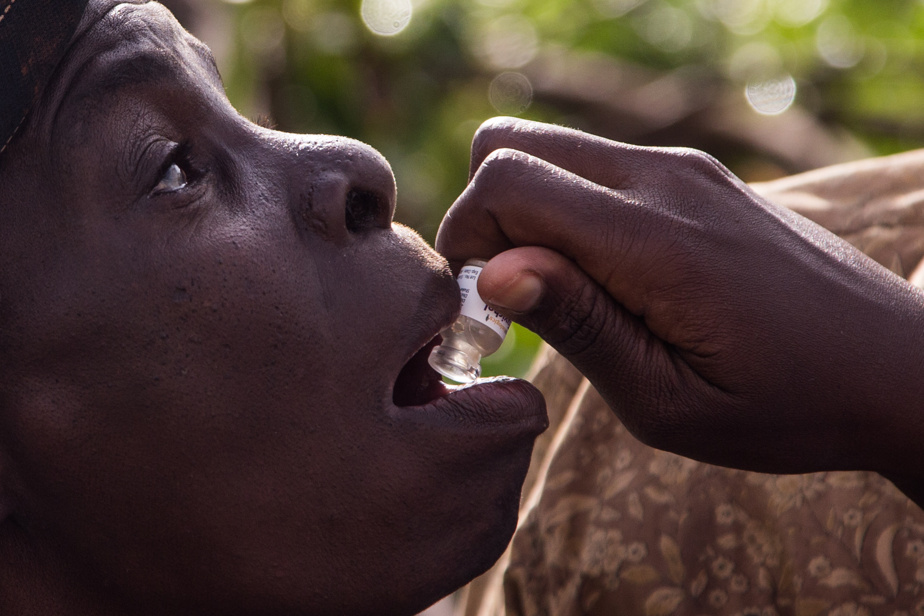
In response to the growing crisis, a mass vaccination campaign has been launched. As of the latest update, over 50,799 individuals have already received their doses, providing a critical line of defense against the highly contagious disease. Health authorities continue to urge the public to adhere to preventive measures, including improved hygiene practices and access to clean drinking water.
Underlying challenges exacerbate the health crisis
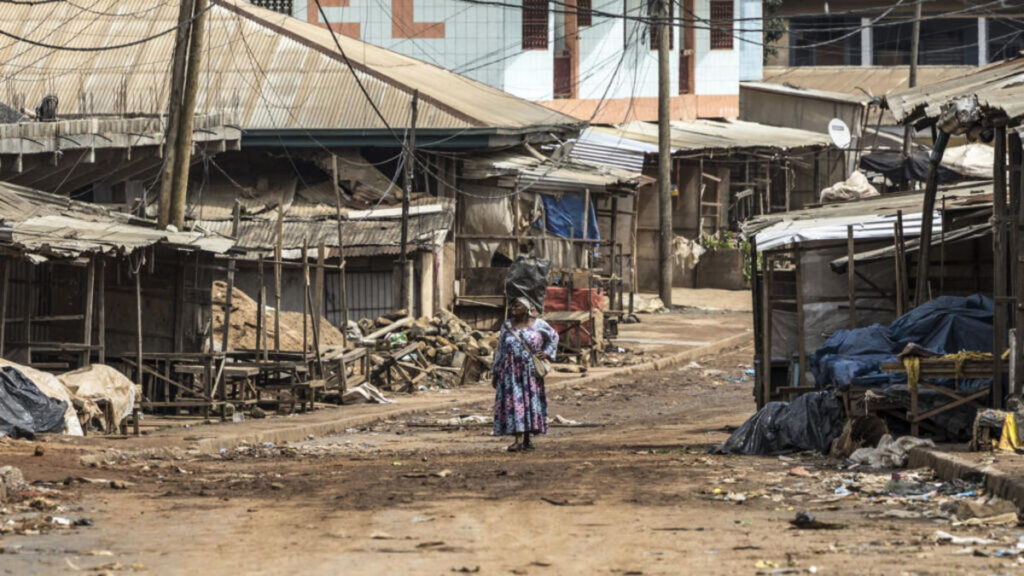
The cholera outbreak in Chad highlights the persistent struggle the nation faces in ensuring access to safe water and sanitation. Unlike more developed nations where modern water treatment has largely eradicated the disease, Chad’s infrastructure remains inadequate. The ministry of health has emphasized that the limited access to potable water and poor sanitation conditions are major obstacles in combating the epidemic.
Cholera, an acute diarrheal infection caused by ingesting food or water contaminated with the Vibrio cholerae bacteria, can escalate rapidly without proper treatment. While rehydration therapy is typically effective, severe cases may require antibiotics. Without timely intervention, the disease can prove fatal within hours.
Regional context: Africa’s ongoing battle with cholera
Chad is not alone in its fight against cholera outbreaks. Several African nations, including the Central African Republic, Nigeria, and the Democratic Republic of Congo, have also been grappling with similar health emergencies in recent months. These recurrent outbreaks underscore the urgent need for improved public health infrastructure and cross-border cooperation across the continent.