After the launch: what Benin’s climate resilience project means for rural communities
With droughts, erratic rainfall and flash floods becoming more frequent, Bénin has launched a bold initiative to shield nine of its most vulnerable communes from the worsening impacts of climate change. The newly inaugurated Projet intégré de renforcement de la résilience climatique des communes vulnérables et frontalières (PIRRCF) has ignited a public debate over whether the 7.15 billion FCFA investment can deliver lasting change to rural livelihoods—especially when climate threats are accelerating faster than adaptation efforts.
On November 11, 2026, in Sèmè-Podji, the Minister of Agriculture, Adin Yéton Bloukounon Goubalan, symbolically kicked off the seven-year initiative. Backed by the UNDP, Switzerland and Belgium, PIRRCF aims to overhaul local agricultural systems, secure water access and stimulate rural economies. But will the project’s integrated approach—combining renewable energy, digital tools and local materials—succeed where earlier efforts fell short?
The nine communes in focus: where climate pressure meets economic fragility
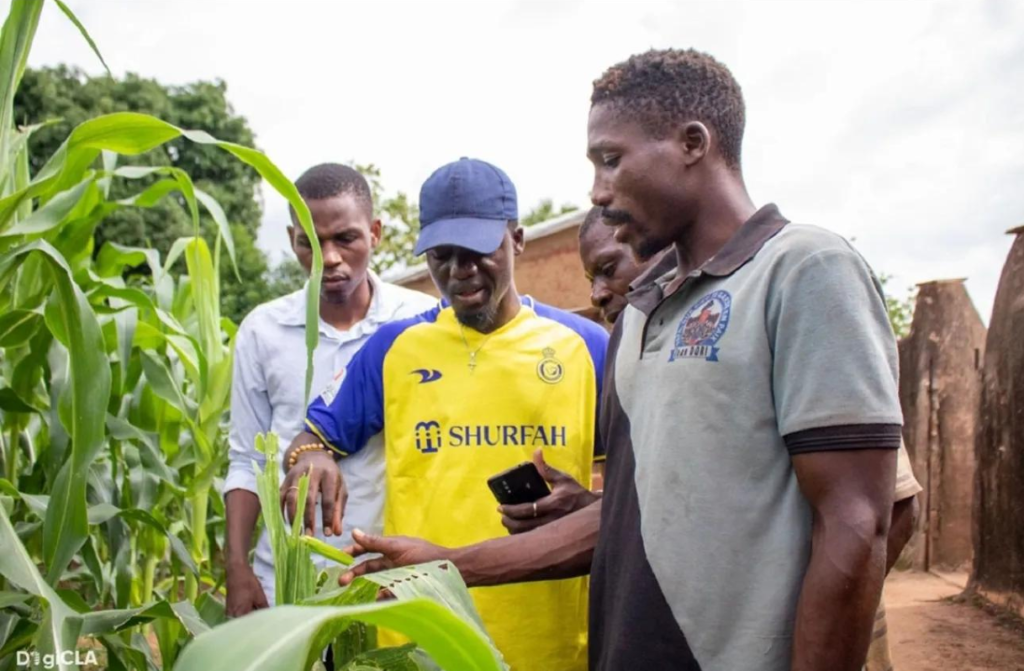
The program zeroes in on nine communes—Sèmè-Kpodji, Sakété, Kétou, Savalou, Dassa-Zoumè, Djougou, Copargo, Ouaké and Malanville—each selected for their high exposure to climate shocks and deep structural vulnerabilities. In these areas, families rely heavily on rain-fed farming, yet degraded soils and scarce water resources have slashed harvests and household incomes. For farmers like those in Djougou’s maize and groundnut fields—where erratic rains destroyed entire crops—PIRRCF’s arrival brings cautious hope but also skepticism about whether it can move beyond short-term fixes.
Beyond agricultural losses, the project’s designers argue that the crisis demands systemic solutions: climate-smart farming, community-led resource management and diversified income streams. “We’re not just addressing today’s droughts,” noted a local agricultural officer. “We’re building systems that can withstand tomorrow’s unpredictability.”
A water-centric strategy to break the rain dependency cycle
>The cornerstone of PIRRCF is water security. To wean farms off seasonal rains, the project plans to build three large reservoirs, rehabilitate two lowlands for seasonal cropping, install five drip-irrigation networks and drill twelve pastoral boreholes. Solar-powered pumps will slash energy costs and cut dependency on fossil fuels, while digital dashboards will give farmers real-time data on soil moisture, rainfall forecasts and market prices.
“Water is life, but access is power,” said an engineer overseeing the infrastructure rollout. “These systems won’t just boost yields—they’ll shift power dynamics by giving smallholders control over their most critical resource.”
Local materials and green jobs: can the project build a sustainable rural economy?
PIRRCF goes beyond farms and boreholes by promoting compressed-earth bricks, stabilized soil blocks and other locally sourced building materials. The goal: reduce construction costs, cut carbon footprints and create jobs for masons, carpenters and small-scale suppliers. Swiss cooperation partners view this as a double win—linking environmental protection with economic opportunity, particularly for women and youth.
Early estimates suggest the initiative could generate 5,000 direct jobs and 15,000 indirect roles in agriculture, energy and digital services by 2031. But critics warn that without strong local entrepreneurship support, many of these positions risk remaining seasonal or informal.
From promises to results: the accountability challenge for Benin’s climate plan
>The program’s total budget tops 15.5 million dollars, with contributions from UNDP, Switzerland, Belgium and Benin’s government. Yet financial pledges are only the first hurdle. Transparency in tendering, equitable resource distribution and genuine community involvement will determine whether the project avoids the pitfalls of past interventions, where funds vanished into mismanagement or elite capture.
Municipal authorities now face a dual test: overseeing the construction of resilient infrastructure and ensuring it reaches the farmers, herders and artisans who need it most. “Success won’t be measured by how many boreholes we drill,” emphasized a regional coordinator, “but by how many families see their incomes stabilize and their children stay in school.”
What’s next for Benin’s rural communities: measuring resilience beyond infrastructure
By 2031, PIRRCF aims to train 20,000 people in climate adaptation, lift agricultural productivity by 20% and raise incomes for 10,000 households by 30%. With over 31,000 direct beneficiaries—including more than 12,000 women—the program’s scope is ambitious. Yet rural residents are already asking: Will these numbers translate into real resilience, or remain mere projections on paper?
As climate threats intensify, the debate over PIRRCF’s potential—and pitfalls—will only grow louder. For Benin’s farmers, the verdict will come not from policy papers, but from the resilience of their next harvests.