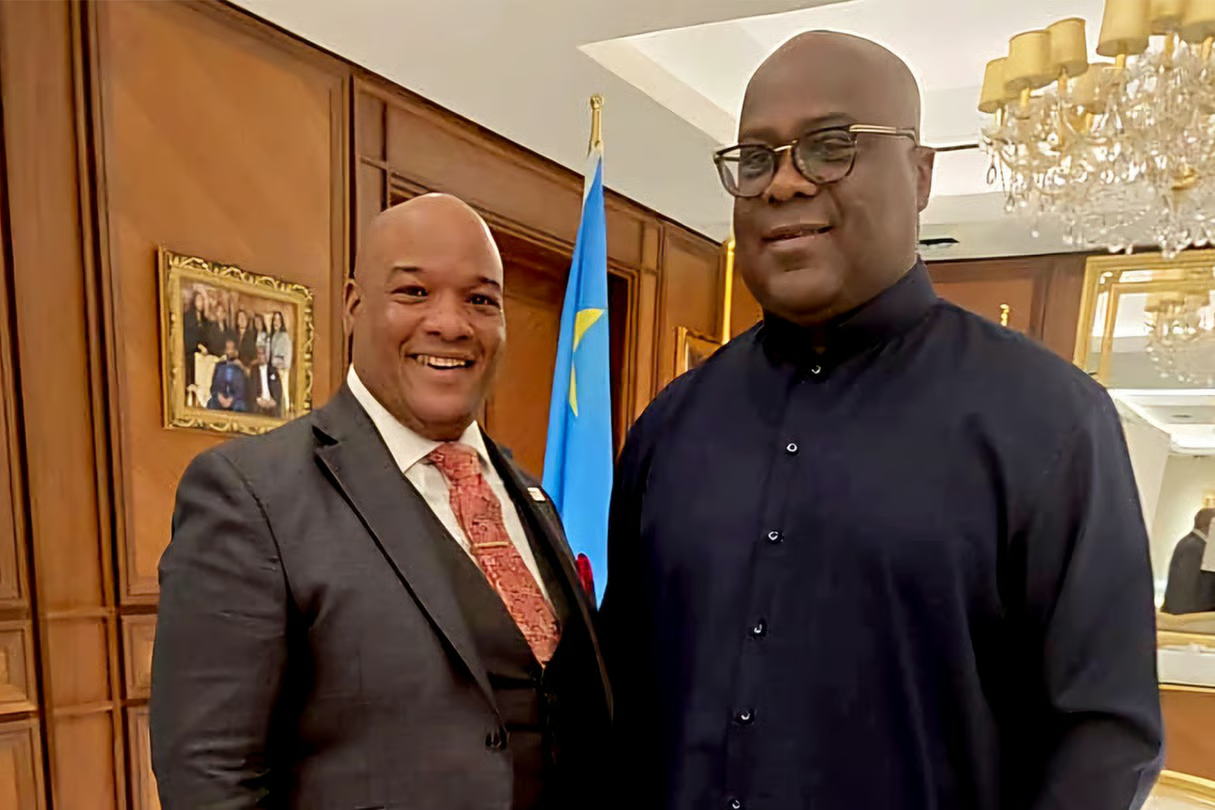
After months of prolonged uncertainty, Washington has formally appointed a new ambassador to the Democratic Republic of the Congo (DRC). This long-overdue decision sheds light on the complex geopolitical dynamics shaping U.S.-DRC relations, particularly during a period of shifting priorities in both capitals. What factors contributed to this delay, and what does it signal about the future of bilateral cooperation?
The vacancy puzzle: Why did the U.S. ambassador role remain unfilled for so long?
The absence of a permanent envoy in Kinshasa wasn’t merely an administrative oversight. It reflected deeper strategic considerations in Washington, where competing foreign policy priorities—from global security challenges to domestic political shifts—created unexpected bottlenecks. The DRC’s strategic minerals and regional influence made it a key player in U.S. foreign policy planning, yet filling the role proved more complicated than anticipated.
Geopolitical chess moves
Key players in Washington’s foreign policy circles weighed multiple factors before finalizing the nomination:
- Regional instability: Ongoing conflicts in eastern DRC and neighboring countries required careful diplomatic positioning to avoid destabilization.
- Resource diplomacy: The DRC’s cobalt and copper reserves—critical for green energy and tech industries—added pressure to appoint a candidate aligned with U.S. economic interests.
- Diplomatic balancing acts: Managing relations with Kinshasa while navigating evolving U.S.-Africa policy objectives proved to be a delicate task.
Behind the scenes: The hidden costs of a prolonged vacancy
The absence of a U.S. ambassador didn’t just delay routine diplomatic engagements—it had tangible consequences for both countries. For Kinshasa, the delay created uncertainty in trade negotiations and security partnerships. For Washington, it hindered intelligence-sharing agreements and civilian protection initiatives in a high-stakes region.
Meanwhile, local businesses and NGOs in the DRC reported increased frustration over delayed visa processing and stalled development projects tied to U.S. funding.
A financial and operational strain
The prolonged vacancy forced temporary staff to bridge critical gaps, often with limited resources. Key initiatives—such as health programs, infrastructure investments, and anti-corruption efforts—faced delays, leaving communities vulnerable. The economic fallout extended beyond diplomacy, impacting job creation and investor confidence in the DRC’s most promising sectors.
From delay to delivery: How the appointment unfolded
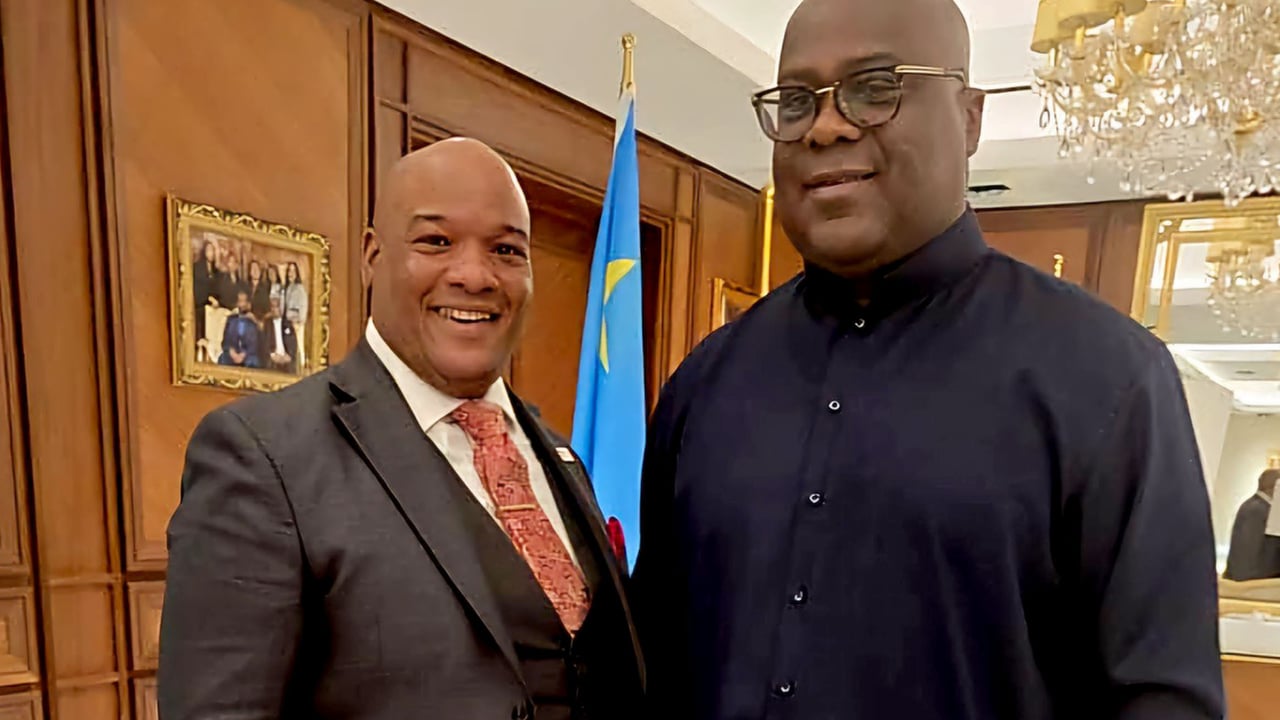
The breakthrough came as the Trump administration finalized a shortlist of candidates deemed capable of navigating the DRC’s complex landscape. Pastor John Mark Burns, with his extensive experience in African diplomacy, emerged as the frontrunner—a choice reflecting Washington’s emphasis on faith-based and ethical leadership in its African outreach.
His swearing-in ceremony on June 28, 2025, marked a symbolic reset in relations, signaling renewed commitment from both sides to collaborate on pressing issues like counterterrorism, economic reform, and democratic governance.
Next steps: What happens now?
The arrival of a full-time ambassador opens doors to accelerated diplomatic engagement. Key areas expected to see progress include:
- Trade and investment: Strengthening economic ties, particularly in mining and renewable energy sectors.
- Security cooperation: Expanding counterterrorism and anti-poaching efforts in eastern DRC.
- Development aid: Resuming stalled projects in healthcare, education, and infrastructure, with a focus on sustainability.
What this means for U.S.-DRC relations
While the appointment is a step forward, challenges remain. The DRC’s political landscape is evolving, with heightened scrutiny on governance and human rights. Washington’s ability to navigate these dynamics—and avoid past pitfalls—will determine whether this marks a turning point in bilateral relations.
The delay itself offers lessons on the importance of proactive diplomacy, especially in regions where the stakes are high. For both countries, the focus now shifts from filling the role to making it count—transforming potential into tangible progress.
As Kinshasa and Washington redefine their partnership, all eyes will be on how this renewed diplomatic presence translates into action on the ground.