Côte d’Ivoire at 66: Ouattara faces pressing economic and social demands
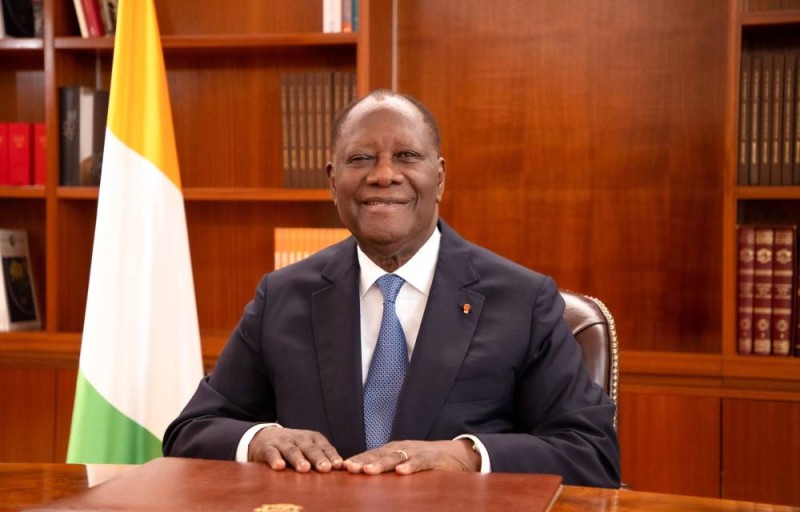
As Côte d’Ivoire marks its 66th year of independence on August 7, 2026, the nation turns its gaze toward the nation’s capital, Abidjan, where President Alassane Ouattara is set to deliver a pivotal address. This speech comes at a time when the country grapples with a mix of economic progress, social challenges, and security concerns, all while the Ivorian people demand tangible improvements in their daily lives.
Economic pressures weigh heavily on households
The country’s strong macroeconomic performance continues to earn praise from international partners, yet for many Ivorians, the rising cost of living remains a top concern. Escalating prices for essential goods, housing, and services are eroding household purchasing power, leaving families struggling to make ends meet. Citizens are looking for concrete measures to stabilize prices and protect their livelihoods.
Youth unemployment: a persistent challenge
Each year, thousands of young graduates enter the job market, seeking meaningful employment opportunities. The president’s speech is expected to outline initiatives to boost youth entrepreneurship, expand vocational training, and strengthen the private sector—key areas that could address this pressing issue.
Agriculture: strengthening the backbone of the economy
The agricultural sector, a cornerstone of Côte d’Ivoire’s economy, plays a vital role in both employment and export earnings. Producers of cocoa, coffee, rubber, cashew, and other cash crops are hoping for policies that enhance their income, improve access to financing, and build resilience against volatile global markets.
Infrastructure gaps persist, especially in rural areas
Investments in critical infrastructure—such as roads, clean water access, electricity, schools, and healthcare facilities—remain unevenly distributed across the country. Rural communities, in particular, are calling for accelerated development to bridge regional disparities and foster inclusive growth.
Healthcare and education: priorities for sustainable progress
Access to quality healthcare and education is fundamental to the nation’s future. The public expects stronger health systems, expanded universal health coverage, and improved educational standards. These sectors are crucial for building a skilled workforce and ensuring long-term social stability.
Security and stability in a complex regional environment
With neighboring countries facing security challenges, Côte d’Ivoire must prioritize domestic peace, counterterrorism efforts, and national cohesion. Strengthening security while maintaining democratic values remains a delicate balance for the government.
Governance and digital transformation: modernizing the state
Corruption, bureaucratic inefficiencies, and outdated administrative systems continue to hinder progress. Ivorians anticipate bold reforms to modernize public governance, enhance transparency, and accelerate digital transformation across institutions.
Investment and industrialization: driving future growth
The business community is keenly interested in policy signals that support industrialization, foreign investment, and job creation. These elements are essential for transforming economic growth into shared prosperity.
National unity and democratic resilience
Sixty-six years after independence, Côte d’Ivoire stands at a crossroads. The president’s address will be scrutinized not only for economic and social promises but also for messages of national unity, reconciliation, and democratic resilience. The nation awaits a vision that unites its diverse communities and reinforces the foundations of peace and progress.
As the country reflects on its journey since 1960, the focus is clear: translating economic achievements into tangible benefits for all Ivorians. The president’s speech will set the tone for the next phase of the nation’s development.