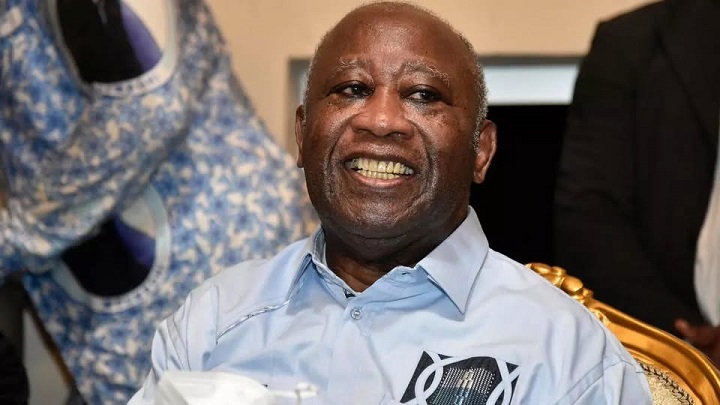
The PPA-CI is navigating turbulent waters as it approaches its first ordinary congress scheduled for 14-15 May 2026 in Abidjan. The party’s leadership, under the presidency of Laurent Gbagbo, has issued a stern warning to its ranks: discipline will be enforced without exception.
In a formal statement released on 13 May 2026, the party’s secretary-general, Tchéidé Jean Gervais, announced disciplinary actions against 61 cadres and activists, deemed ‘undisciplined’ by the leadership. The decision, validated by the party’s presidency and grounded in Council Strategy and Policy (CSP) resolution No. 02-2026/CSP/PPA-CI/KKJ/07052026, underscores a broader push to streamline internal governance ahead of the landmark event.
a structured approach to disciplinary measures
The sanctions, meticulously categorized, reflect a tiered system of accountability. The first group, the largest, comprises 44 cadres facing an 18-month suspension, while the second group includes 10 members suspended for 12 months. The third and smallest group consists of 7 cadres handed a 6-month suspension.
Beyond the immediate penalties, these measures carry long-term consequences. Suspended members are barred not only from participating in party activities but also from contesting internal elections during their suspension period. The move signals a clear message: adherence to party directives is non-negotiable.
the political context behind the crackdown
The timing of these sanctions is critical. With the congress looming, the PPA-CI faces mounting pressure to present a united front. Analysts suggest the disciplinary actions may be a pre-emptive strike to quell internal dissent and consolidate control ahead of the gathering. The party’s leadership has framed the measures as essential to preserving organizational cohesion and ensuring the smooth execution of preparatory activities.
Yet, the scale of the suspensions has sparked debate. Critics argue the crackdown could exacerbate existing tensions, particularly as the party grapples with strategic divides and leadership rivalries. While no official reactions have emerged from the affected members, the decision’s far-reaching impact is already a topic of intense discussion within political circles.
The upcoming congress is poised to be a defining moment for the PPA-CI, and these disciplinary actions may well shape its trajectory. As the party tightens its grip on internal discipline, the broader question remains: will this strategy unite the ranks or deepen existing fractures?