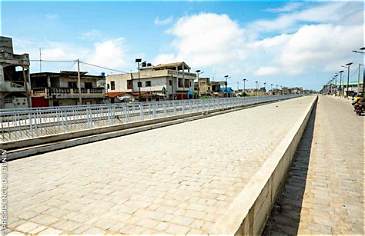
Cotonou’s recent achievement in the 2025 Africa’s cleanest cities rankings has ignited widespread discussion about the future of urban sanitation and public engagement in West Africa. The capital city of Benin secured the top position in West Africa and placed third continentally, a milestone that has prompted both celebration and scrutiny over the strategies behind its success.
Public reaction to Cotonou’s cleanliness milestone
The rankings, which saw Cotonou climb from sixth place in the previous survey, have generated a mix of reactions from residents, urban planners, and policymakers. While many commend the city’s visible improvements in waste management and public space maintenance, skeptics question whether the progress is sustainable beyond the evaluation period. Some residents argue that while central areas shine, peripheral neighborhoods still face challenges in maintaining consistent cleanliness.
Key factors behind Cotonou’s rising cleanliness standards
The city’s ascent in the rankings is attributed to a multi-faceted approach that combines infrastructure upgrades, community involvement, and systematic waste collection. Over 14,000 metric tons of household waste are now collected monthly, a fourfold increase compared to previous years. Regular street sweeping, drainage system improvements, and public awareness campaigns have also played pivotal roles in reshaping Cotonou’s urban landscape.
Waste management revolution: The introduction of mechanized garbage trucks and designated waste drop-off points has significantly reduced illegal dumping.
Public space revitalization: Over 2 million square meters of public areas were rehabilitated in 2024, including parks, markets, and roadside corridors.
Community-driven initiatives: Local associations and volunteers have partnered with municipal authorities to conduct neighborhood clean-up drives and educational programs.
What’s next for Cotonou’s urban cleanliness?
Despite the accolades, city officials emphasize that the work is far from complete. The primary focus now is on extending these improvements to underserved areas while ensuring long-term funding for sanitation programs. Debates are intensifying about the role of private-sector partnerships in maintaining infrastructure and whether additional regulations are needed to enforce cleanliness standards.
There is also growing consensus that public behavior must align with the city’s physical upgrades. While infrastructure sets the stage, lasting change depends on continuous citizen participation whether through proper waste disposal or reporting hygiene violations. The question now looms: Can Cotonou transform its temporary cleanliness victories into a permanent cultural shift?
Comparative insights: How does Cotonou compare globally?
Cotonou’s third-place finish on the continental stage places it among Africa’s elite in urban sanitation, joining cities like Kigali and Cape Town. However, experts note that replicating such success in other West African metropolises will require tailored solutions, given the region’s unique socio-economic and geographic challenges. The debate over Cotonou’s model has thus expanded beyond Benin’s borders, with urban planners across Africa seeking insights into its integrated approach.
Lessons for Africa’s growing cities
The recognition of Cotonou’s efforts underscores a critical truth for Africa’s rapidly expanding urban centers: sustained cleanliness demands more than periodic clean-up campaigns. It requires robust policies, consistent investment, and a culture of civic responsibility. As Cotonou navigates this pivotal moment, the city’s trajectory could serve as a blueprint or a cautionary tale for others aiming to balance growth with livability.
By Ousmane Tandja — Journalist