N’Djamena weddings embrace Sudanese customs: what’s behind the cultural shift?
N’Djamena’s wedding ceremonies are increasingly blending Sudanese traditions, raising concerns about the preservation of Chad’s cultural heritage. As modern practices replace local customs, experts debate the future of Tchad’s matrimonial identity.
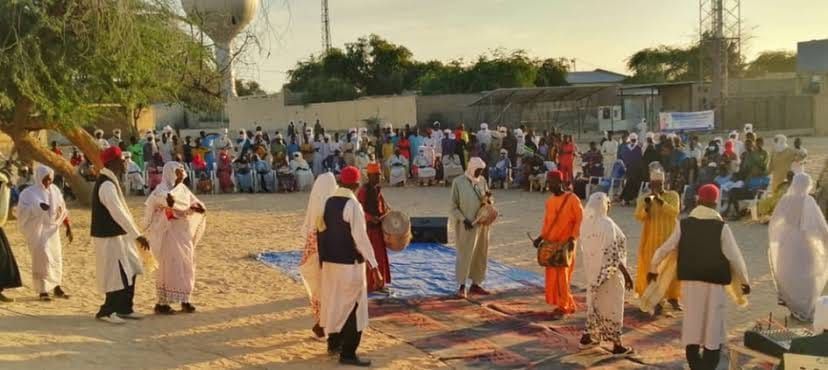
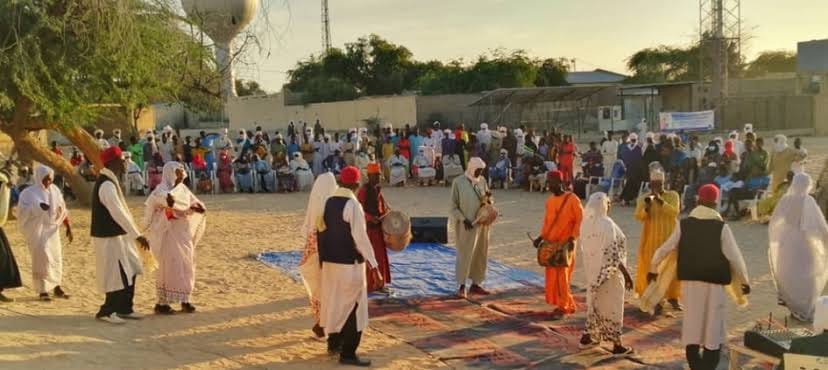
Weddings in N’Djamena are undergoing a quiet revolution. Once rooted in deep-seated Tchadian traditions, many ceremonies now incorporate vibrant Sudanese customs that have reshaped the matrimonial landscape of the capital. This cultural fusion has sparked a debate: are these changes enriching the local heritage or eroding it?
Sudanese influences shaping modern Tchadian weddings
What was once a distinctly Tchadian affair now reflects strong Sudanese undertones. Couples in N’Djamena now routinely incorporate elements such as henna ceremonies for both bride and groom, where intricate designs are applied to their hands and feet. The groom is often paraded in a festive procession to the bride’s home, where he may lift her into his arms in front of guests before carrying her to their new residence. Days later, another ritual unfolds as he presents her with jewelry, a gesture now common in urban Tchadian weddings.
These practices, while visually striking, stand in stark contrast to the more subdued Tchadian traditions of the past. Traditional Tchadian weddings placed greater emphasis on the wisdom of elders, familial respect, and quiet dignity. The bride, after the dowry was settled, would typically have minimal interaction with the groom until the wedding day. On the day itself, she would depart her family home accompanied only by her mothers and grandmothers, who shared lessons on patience, household management, and the virtues of marriage.
Community and cultural transmission in decline
A week after the wedding, it was customary for the bride’s family to entrust her to the neighbors of her new home. This symbolic handover reflected a deep-seated belief in communal support, where neighbors would guide her through early marital challenges and offer encouragement. Today, this practice has largely faded, replaced by modern celebrations that prioritize entertainment over tradition.
The shift extends to the very heart of wedding festivities. Griots, traditional drummers, and communal singers—once the storytellers of Tchadian society—are being replaced by contemporary performers and recorded music. Elders in neighborhoods like Bololo express concern that this evolution risks disconnecting younger generations from their cultural roots. « A Tchadian wedding used to be a school for life,» remarks one local leader. « The elders spoke, the youth listened, and everyone left with wisdom. Now, the focus is on spectacle, not substance.»
Voices from the community: preserving the past while embracing the new
Maman Azma, a community leader and director of the Lamy Fortain association, voices a common fear: « Young women today know about foreign wedding customs, but many have never heard the stories their grandmothers lived. If we don’t act now, these traditions will vanish.»
Not everyone views the changes negatively. One recently married man shared his perspective: « We borrow what we find beautiful from other cultures, but that doesn’t mean we reject our own. The important thing is to keep the core values of marriage alive.» His words highlight a generational divide: while some see adaptation as a form of cultural erosion, others view it as a natural evolution.
The way forward: balancing tradition and modernity
For cultural experts, the challenge lies not in rejecting outside influences but in ensuring that Tchadian traditions are not forgotten. The key, they argue, is intentional transmission. Workshops, storytelling sessions, and intergenerational dialogues could help bridge the gap between old and new customs. Without such efforts, the risk is that the next generation will know more about Sudanese wedding trends than their own heritage.
As N’Djamena’s skyline continues to change, so too does its cultural landscape. The question remains: can the city’s weddings honor both its past and its present?