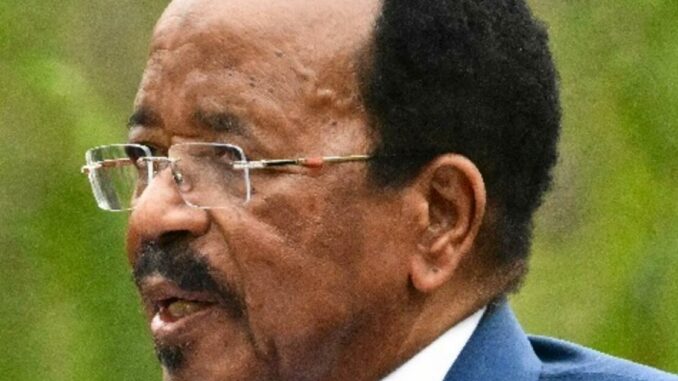
For over two months, Cameroon’s President Paul Biya has remained outside the country following what authorities describe as a brief private visit to Europe. Now 93, the veteran leader’s prolonged absence has reignited concerns about his ability to govern, while the government’s silence only fuels speculation in a political climate already clouded by post-election uncertainties.
Officials insist there is no leadership vacuum. They claim Biya continues to fulfill his duties remotely and highlight that Cameroon’s constitution does not impose any time limit on presidential trips abroad. According to government sources, state affairs are proceeding normally, and no institutional crisis exists.
Yet such assurances fail to quell the doubts. The opposition Movement for the Renaissance of Cameroon (MRC), led by Maurice Kamto, accuses the government of a lack of transparency, arguing that citizens deserve clear information about the president’s health and capacity to govern. They contend that the secrecy surrounding his European stay only deepens public mistrust rather than clarifying the situation.
Other critics adopt a more structural perspective. Cabral Libii, leader of the Cameroon People’s Rally for National Reconciliation (PCRN), suggests the real issue lies not in Biya’s absence but in the gaps within Cameroon’s legal framework governing power transitions. He points to the upcoming 2027 legislative and municipal elections as a potential catalyst for institutional reforms that could modernize governance.
With Biya set to begin another term in just eight months, this prolonged absence has brought longstanding questions about leadership succession, transparency, and governance back to the forefront. It underscores the vulnerabilities of a political system heavily centered on one figure who has held power for over four decades.