Major diplomatic shift signals new momentum in eastern DRC peace efforts
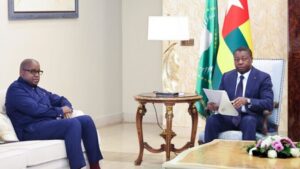
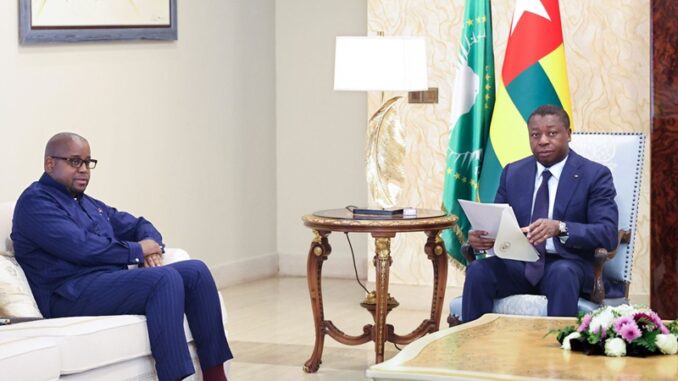
The long-standing crisis in the Democratic Republic of Congo (DRC) has reached a critical turning point as President Félix Tshisekedi sends a fresh diplomatic signal to Togo’s President Faure Gnassingbé. Acting as the African Union’s peace mediator, Gnassingbé received a high-level delegation from Kinshasa on September 29, carrying a critical message from Tshisekedi regarding the stabilization of the eastern DRC.
New urgency in regional peace negotiations
During the meeting in Lomé, the Congolese delegation—led by the Minister of Regional Integration, Floribert Anzuluni—provided Gnassingbé with an update on Kinshasa’s proactive stabilization measures in eastern DRC. These initiatives, centered on the demobilization of armed groups, aim to break the cycle of recurring violence that has plagued the region since late 2021, despite past international mediation efforts in Doha and Washington.
The timing of this diplomatic exchange underscores a broader regional commitment to finding a sustainable solution. With eastern DRC still grappling with persistent security challenges, the AU’s mediation under Gnassingbé’s leadership is now viewed as a lasting opportunity for peace.
Gnassingbé’s mediation takes center stage
Since April 2025, Gnassingbé has spearheaded the AU’s mediation efforts in the eastern DRC and the broader Great Lakes region, taking over from Angola’s previous mediator. His approach has revitalized discussions, with a renewed focus on securing a durable ceasefire and long-term stability—a goal that has eluded negotiators for months.
The renewed engagement from Tshisekedi’s government signals a strategic recalibration in the peace process. By formally involving Gnassingbé, Kinshasa is reinforcing the AU’s role as the primary platform for resolving the conflict, moving away from fragmented international initiatives that have yielded limited results.
What’s next for eastern DRC’s fragile peace
The convergence of these diplomatic moves suggests that the peace process may finally be gathering the necessary momentum to address the root causes of instability. Key priorities include:
- Sustained demobilization efforts to weaken armed factions and restore civilian security.
- A comprehensive ceasefire agreement that includes all belligerent groups, ensuring no party is left out of the dialogue.
- Strengthened regional cooperation to prevent cross-border spillover of violence into neighboring countries.
With Gnassingbé’s mediation now at the forefront, the international community is closely watching whether this renewed diplomatic push can translate into tangible progress on the ground. The stakes could not be higher—for the 26 million people living in eastern DRC, as well as the stability of the entire Great Lakes region.