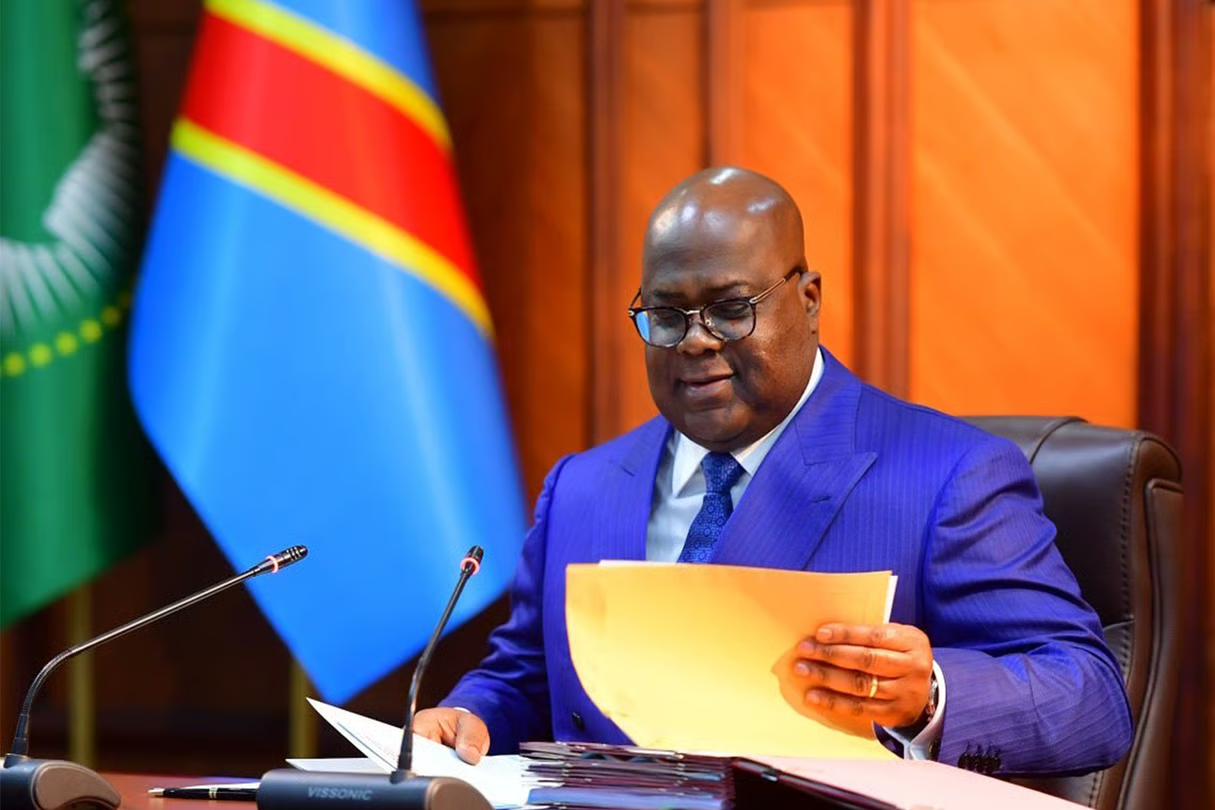
A subtle shift in the political climate of the Democratic Republic of the Congo (DRC) is underway, raising questions about the potential for an upcoming national dialogue. Recent developments suggest a gradual easing of tensions that have long characterized the country’s political landscape.
Signs of easing political tensions in the DRC
Over the past weeks, observers have noted a series of conciliatory gestures from key political actors. These moves, though still tentative, indicate a willingness to engage in constructive discussions. The atmosphere, once thick with confrontation, now appears to be softening, offering a glimmer of hope for more inclusive governance.
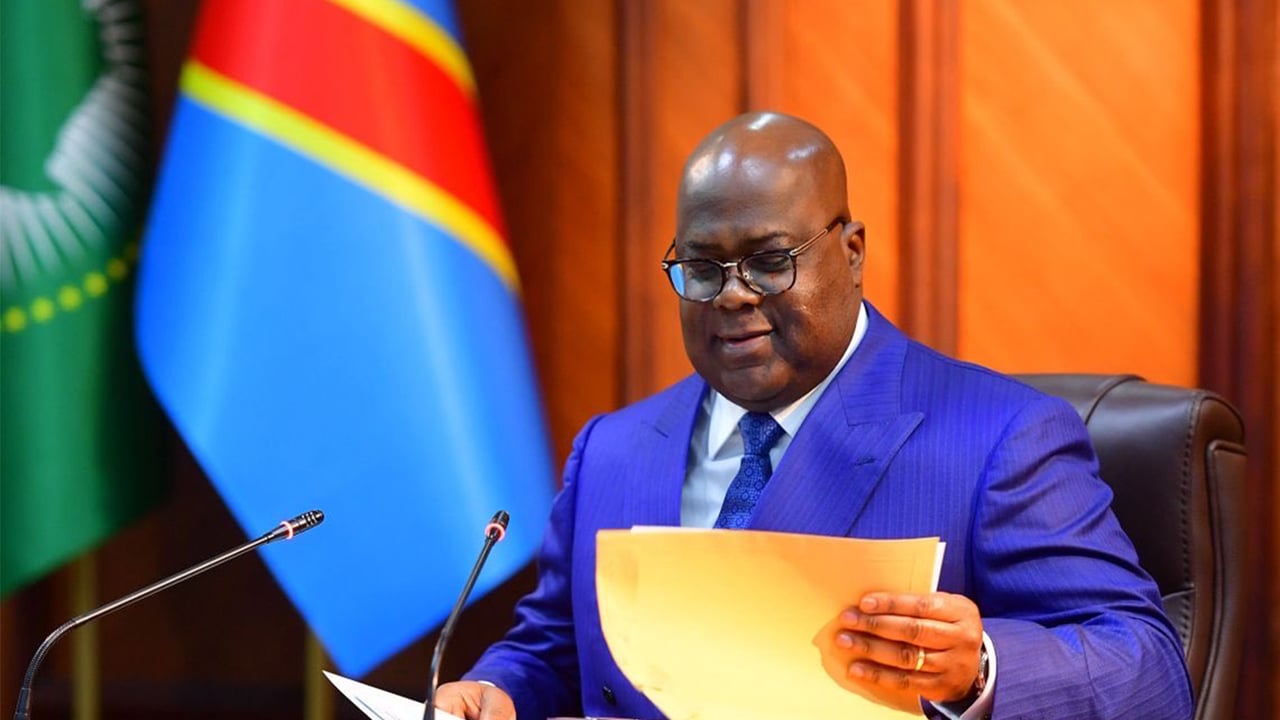
Among the notable signs is the President Félix Tshisekedi’s recent outreach to opposition leaders. While details remain scarce, these interactions signal a departure from the confrontational approach that has dominated DRC politics for years. Analysts suggest this could pave the way for broader negotiations aimed at addressing the country’s deep-rooted challenges.
What’s driving this political thaw?
The motivations behind this shift are multifaceted. Internally, mounting pressure to address economic instability and security concerns may be pushing leaders toward dialogue. Externally, regional dynamics—particularly the evolving situation in neighboring countries—could also be influencing the DRC’s political calculus. Whatever the drivers, the current trajectory suggests a cautious optimism about the country’s future.
For now, the government appears to be prioritizing stability. Whether this will translate into a formal national dialogue remains to be seen. But the signs are encouraging, even if the path forward is still uncertain.
Key players in the unfolding scenario
- Félix Tshisekedi: The head of state whose recent overtures to the opposition have sparked discussions about potential collaboration.
- Opposition leaders: Some factions have responded to the president’s gestures, though skepticism remains about the depth of their engagement.
- Civil society: Watching closely, with hopes that any dialogue will include broader societal representation.
What could a national dialogue look like?
A national dialogue in the DRC would likely focus on critical issues such as electoral reforms, security sector overhaul, and economic recovery. The process, if structured inclusively, could help bridge divides and foster a more stable political environment. However, past attempts at dialogue have stumbled over mistrust and competing agendas, so expectations must be tempered.
The coming weeks will be pivotal. If the current momentum is maintained, the DRC could be on the cusp of a new chapter—one defined by dialogue rather than division. For now, all eyes are on the capital, where political maneuvering continues behind closed doors.