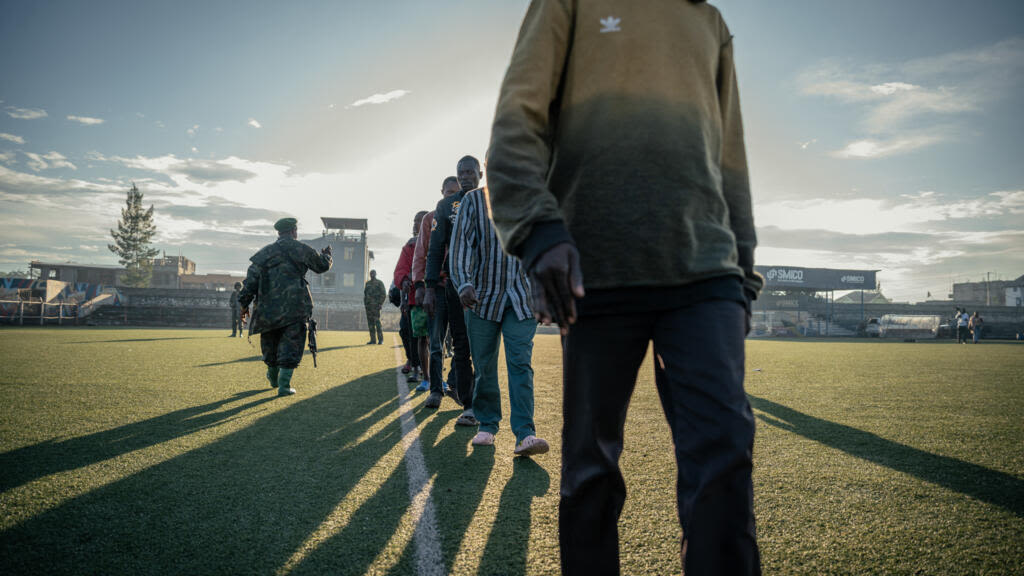
Fifteen detainees have been moved from detention in Beni to the custody of the African Corps of the M23 rebel group, marking the first concrete step in a months-long negotiation process. The handover, long anticipated by local communities and observers, followed the activation of a confidential agreement inked in Montreux—a document that had remained largely out of public view until now.
This transfer was not the result of a spontaneous decision. Four months before the prisoners’ departure, representatives of both sides had finalized a protocol under the auspices of the International Committee of the Red Cross (ICRC). The agreement set the stage for a structured exchange, yet it was not the first attempt to bridge the divide. An earlier deadline, set in April, had come and gone without any tangible progress, underscoring the volatility of such negotiations.
At the time of their reported presence in Beni, these fifteen men had spent weeks in detention under unclear circumstances. Their journey from Kinshasa to the eastern city had not been officially documented, and details surrounding their transfer remained scarce. According to those familiar with the process, the ICRC’s role is strictly limited to the physical transfer of individuals once all parties have agreed on a meeting point. Coordination between government agencies and rebel representatives, however, appears to have faced hurdles, leaving gaps in how the detainees were moved and secured.
From Protocol to Reality: How the Deal Unfolded
The Montreux agreement served as the backbone of this operation, but it was not the only hurdle overcome. The prisoners’ release hinged on a series of behind-the-scenes discussions, where trust and timing played critical roles. The ICRC facilitated the logistics, ensuring the detainees were moved safely to a designated location where they were formally handed over. Yet, the absence of transparency in earlier stages left many questions unanswered about the detainees’ initial capture and subsequent detention.
What Comes Next?
The successful transfer of these fifteen men could signal a new phase in relations between the DRC government and the M23. While the ICRC’s mandate does not extend to verifying the conditions of their detention post-transfer, the gesture itself represents a rare moment of cooperation in a conflict that has seen little progress toward lasting peace. Observers will be watching closely to see whether this operation paves the way for further exchanges—or if it remains an isolated incident in a broader stalemate.