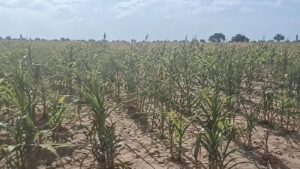
Hundreds of residents have fled their homes in Niger’s southwestern region following a series of mid-July attacks on villages near the border with Nigeria and Benin. The unprecedented displacement has disrupted ongoing farming activities in the Dosso region, where militants targeted multiple communities on July 17, leaving dozens of civilians dead and injured.
Escalating violence disrupts rural communities
Local authorities report that the attacks struck at least three villages in the Loga district, a key agricultural area. The assaults, described by officials as terrorist strikes, occurred during a critical phase of the farming season, exacerbating the humanitarian strain on vulnerable populations. While no official death toll has been released, local sources confirm multiple civilian casualties.
Government response and regional implications
Nigerien authorities have attributed the violence to jihadist groups linked to Al-Qaïda and the Islamic State, though no formal claims of responsibility have been made. The nation has been under military rule for three years, with security forces struggling to contain the growing threat posed by these armed factions. The attacks follow a broader trend of increased Islamist insurgency across the Sahel, particularly along borders shared with Benin, Nigeria, and Burkina Faso.
Humanitarian fallout intensifies
Displaced families have sought refuge in neighboring Tahoua region, while others have converged on Dogondoutchi, a major town roughly 100 kilometers from Loga. The sudden influx of internally displaced persons adds pressure to already stretched resources in areas where jihadist violence has displaced over 450,000 people since 2025. These figures, according to United Nations data, primarily affect three regions: Tillabéri in the west, Diffa in the southeast, and Tahoua in the central-east.
Border regions face mounting insecurity
Security analysts highlight a sharp rise in jihadist activity along the tri-border area linking Benin, Niger, and Nigeria. Armed groups affiliated with Al-Qaïda and the Islamic State have established a persistent presence, exploiting porous borders to launch attacks and evade counterterrorism efforts. Conflict monitoring organizations have documented a significant uptick in violence, underscoring the region’s growing instability.