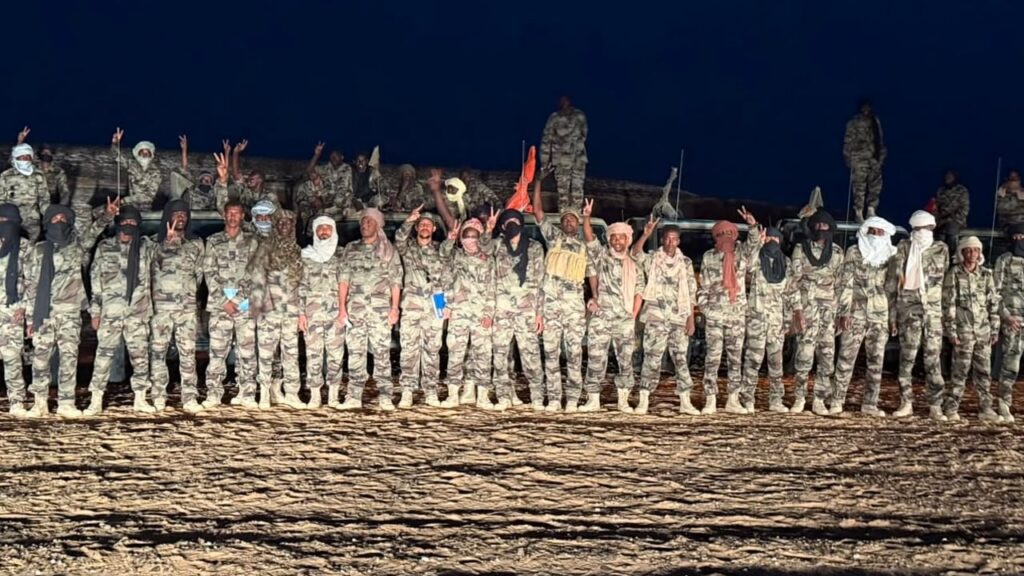
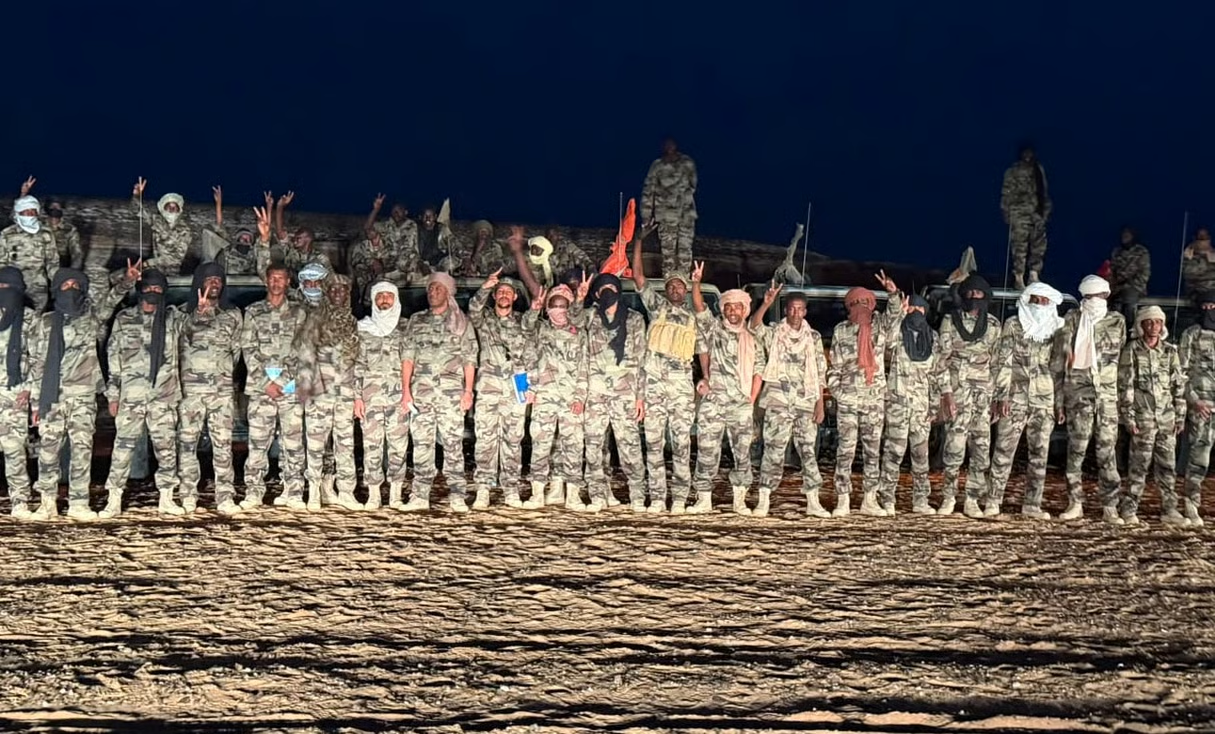
The Front for the Liberation of Niger (FPL) has declared a return to armed confrontation following the recent release of its leader, Mahmoud Salah, who had been detained by authorities in Niamey.
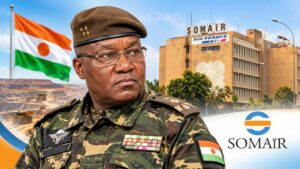
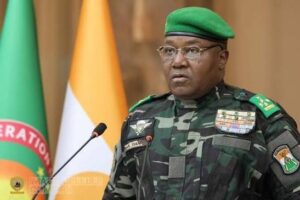
The announcement comes as tensions escalate between the FPL and the transitional government led by General Abdourahamane Tiani. In a statement released through unofficial channels, the rebel group accused the current administration of violating previous agreements and suppressing dissent in the region.
Mahmoud Salah’s release fuels renewed hostilities
The circumstances surrounding Mahmoud Salah’s liberation remain unclear. Local observers suggest his release may have been part of a calculated strategy to ease pressure on the government, though some analysts warn it could instead provoke further instability. The FPL has vowed to intensify its operations, framing the move as a response to what it describes as unjust incarceration and systemic oppression.
A history of conflict and fragile peace
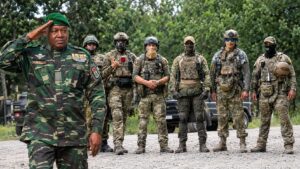
The FPL, a long-standing armed faction operating in northern Niger, has engaged in periodic clashes with state forces for years. During periods of negotiation, sporadic violence continued despite ceasefire declarations. The group’s rearmament signals a potential shift from dialogue to confrontation, raising concerns about renewed bloodshed in a region already grappling with security challenges.
The transitional government has not yet issued an official response to the FPL’s declaration. However, military reinforcements have been observed near conflict zones, suggesting preparations for a possible escalation.
Regional implications and security concerns
Niger’s political landscape remains volatile, with the FPL’s actions adding another layer of complexity. The group’s stated goal of toppling the current leadership could destabilize neighboring countries that rely on Niger for regional security cooperation.
As the situation develops, civilians in affected areas face heightened risks. Humanitarian organizations have called for restraint, urging both sides to avoid actions that could exacerbate the humanitarian crisis.
With Mahmoud Salah now back in command, the FPL’s next moves will be closely watched. Will this lead to a full-scale confrontation, or will diplomatic efforts regain momentum? The answers may shape Niger’s future trajectory for years to come.