Civilian convoy targeted in Tillabéri amid rising insecurity
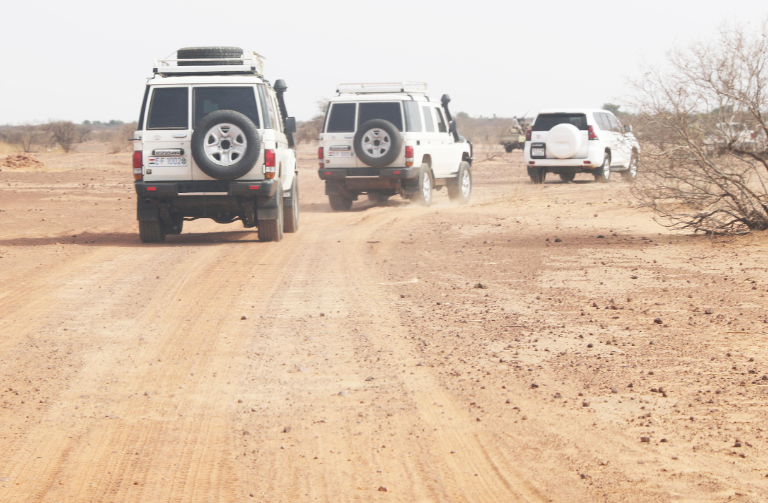
The western Niger region of Tillabéri remains under siege as an attack linked to the Islamic State in the Sahel (ISIS-Sahel) claimed at least 37 lives on Thursday. The victims, all civilians from Tillim, were part of a convoy heading to a local market under the protection of Domol Leydi militiamen when gunmen opened fire.
A wave of violence grips western Niger
This fatal incident is the latest in a ten-day spate of attacks attributed to ISIS-Sahel in the Téra area, where militias have intensified operations against unarmed civilians. The surge in violence has left communities in Tillabéri trapped in a cycle of fear, forcing residents to reconsider even basic daily activities.
The latest attack underscores the growing unpredictability of security in the region. For rural populations, market trips are not just a social or economic necessity—they represent a gamble with their lives. The Domol Leydi, local defense militias, are often the first line of protection for these convoys, yet their presence has not deterred the militants.
Domol Leydi’s struggle to shield civilians
The role of Domol Leydi militias adds a tragic layer to this disaster. These community-based groups were formed to fill gaps left by overstretched national security forces, providing escorts for civilians navigating dangerous routes. Despite their efforts, Thursday’s attack shows the limits of such localized protection efforts.
Analysts argue that relying solely on community militias is unsustainable. A lasting solution would require coordinated government intervention, including intelligence-driven patrols and fortified civilian protection programs. Without these measures, the cycle of violence against non-combatants will likely continue.
- Market trips, once routine, now carry life-threatening risks.
- Domol Leydi militias patrol roads but remain outmatched by militant capabilities.
- Rural livelihoods—farming, herding, and trade—are collapsing under the pressure of constant threats.
Tillabéri: A hotspot for jihadist violence
Tillabéri, situated along the borders of Mali and Burkina Faso, has become the epicenter of Niger’s fight against armed groups. Both ISIS-Sahel and the al-Qaeda-affiliated JNIM maintain a strong presence in the area, exploiting porous borders and weak state control.
The consequences are devastating. Families are displaced, markets are abandoned, and traditional ways of life are eroding. Women, often responsible for transporting goods to market, face heightened risks, while farmers and herders lose access to fertile lands due to safety concerns. Humanitarian agencies warn that prolonged instability could trigger a larger humanitarian crisis.
What comes next for Niger’s embattled communities?
The latest attack near Téra is a grim reminder of the fragility of security in western Niger. Authorities face mounting pressure to implement robust measures that go beyond temporary fixes. Possible steps include:
- Enhanced military patrols along high-risk routes.
- Community alert systems to warn civilians of impending threats.
- Economic incentives to reduce reliance on dangerous travel to markets.
- Stronger collaboration between local militias and state security forces.
Yet, for the people of Tillim, the immediate question is survival. After losing 37 loved ones in a single attack, grieving families must now navigate a future shadowed by fear—and uncertainty about whether the next convoy will meet a similar fate.
From routine trips to deadly risks
The journey from Tillim to the market should have been a simple, safe routine. Instead, it became a bloodstained tragedy that encapsulates the human cost of Niger’s security crisis. As the region braces for more violence, civilians are left to wonder: when will the next attack strike—and who will be the victims?