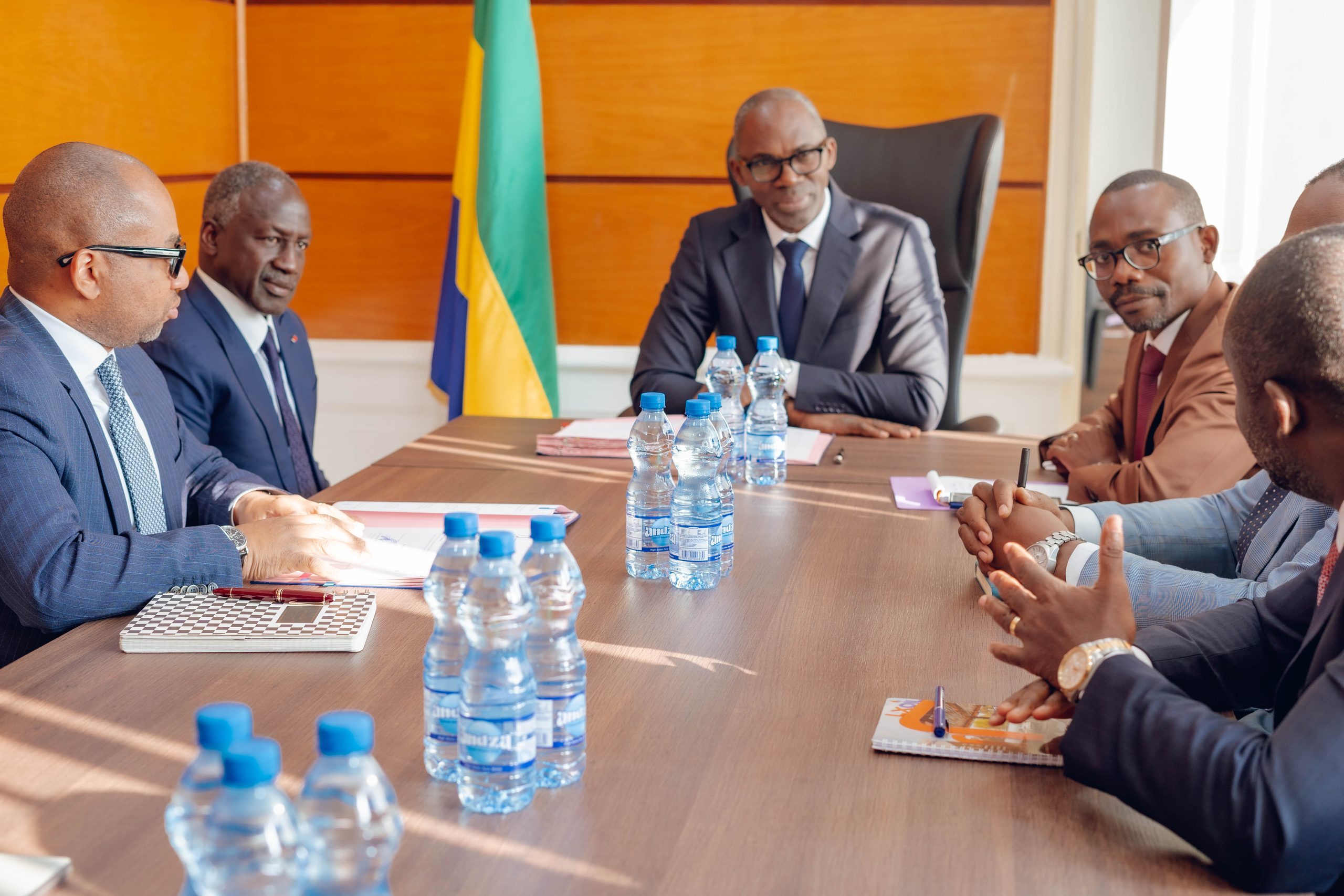



Gabon’s public debt drops below 70% of GDP after audit
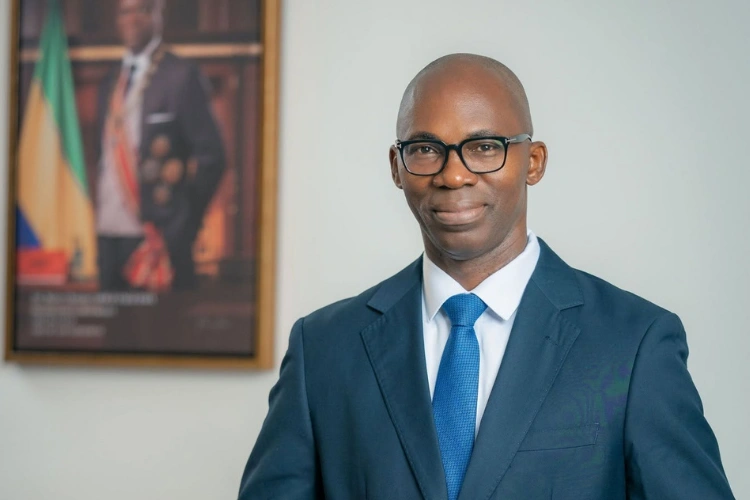
Gabon now has a clearer picture of its public debt. Following an audit launched by the state and finalized as of December 31, 2025, the consolidated debt stock stands at 9,524.643 billion CFA francs, down from nearly 11,700 billion at the start of the exercise. The debt ratio now stands at 68.91% of gross domestic product (GDP), compared to 84.6% previously. This revision represents a drop of 15.69 percentage points, bringing the country below the 70% ceiling set by the Central African Economic and Monetary Community (CEMAC). Officially launched on…

Read More

Digitalisation du foncier au Gabon : le Ministre de l’Économie rejoint le protocole avec SNEDAI GROUPE

Digitalisation du foncier au Gabon : le Ministre de l’Économie rejoint le protocole avec SNEDAI GROUPE par · 15 septembre 2026 éorte sur la mise en place d’un système foncier et cadastral entièrement informatisé, sécurisé et interconnecté. L’objectif est notamment de fiabiliser les données, d’améliorer la localisation des parcelles, de réduire les risques de doublons et de chevauchements et, plus largement, de renforcer la traçabilité des opérations foncières. Cette réforme s’inscrit également dans les orientations du Pilier III du Plan National de Croissance et de Développement (PNCD) 2023-2030, qui prévoit…

Read More

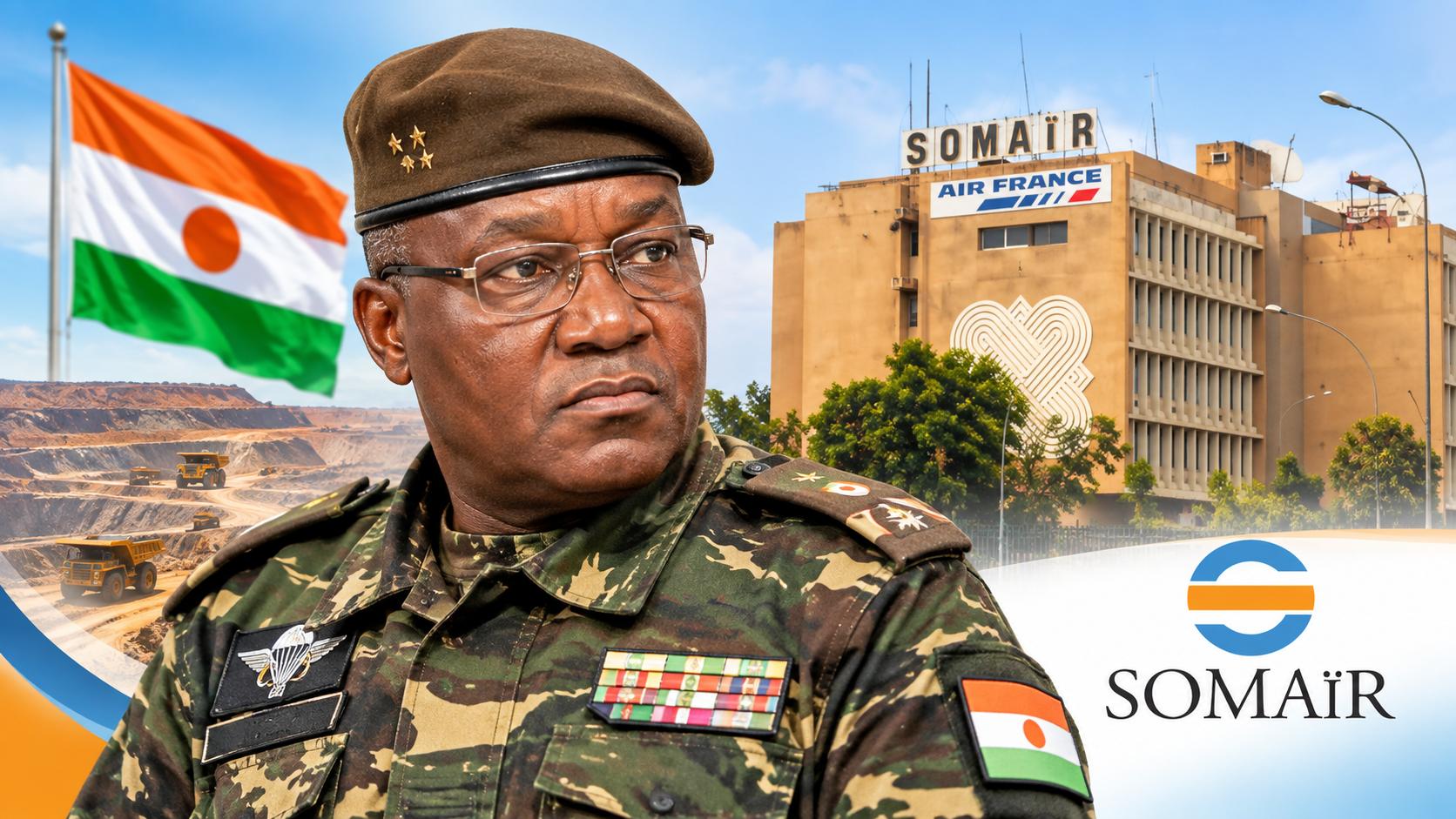
Somaïr: how Niger’s uranium flagship stalled under all-local management

A showcase project that turned into an industrial wreck Sold to the public as the definitive proof that Niger had finally taken back control of its own resources, the transfer of the Société des mines de l’Aïr (Somaïr) into exclusively national hands has produced a very different outcome than the one promised from the podium. The economic note issued by the finance ministry lays out the damage in cold figures: uranium output tumbled by 83.3% during the first quarter of 2026, landing at a skeletal 31.2 tonnes, when the previous…

Read More

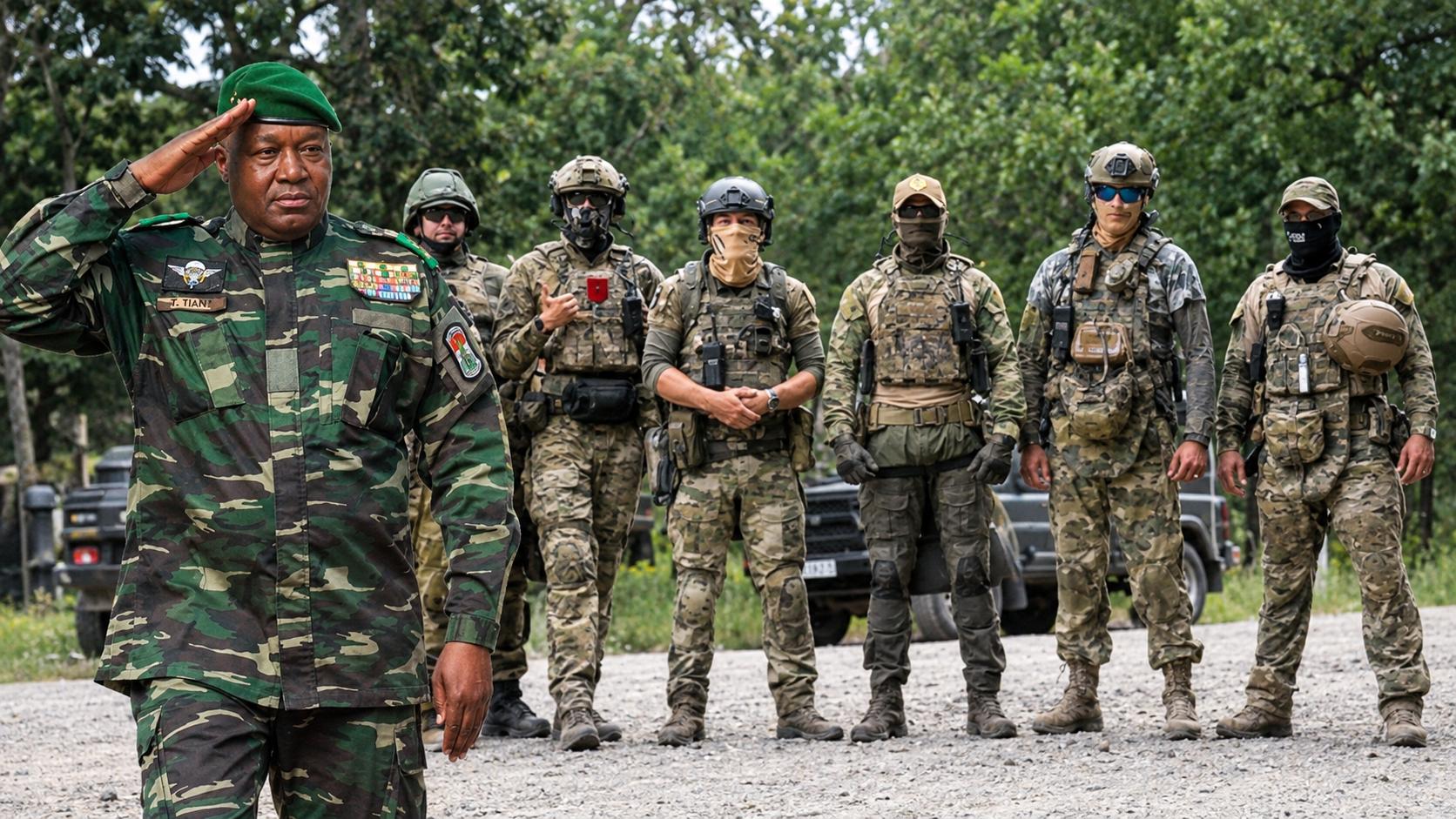
Niger’s army is bleeding from within: desertions, shortages and the Africa Corps affair

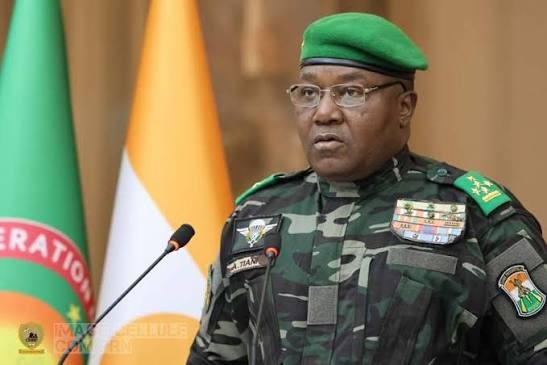
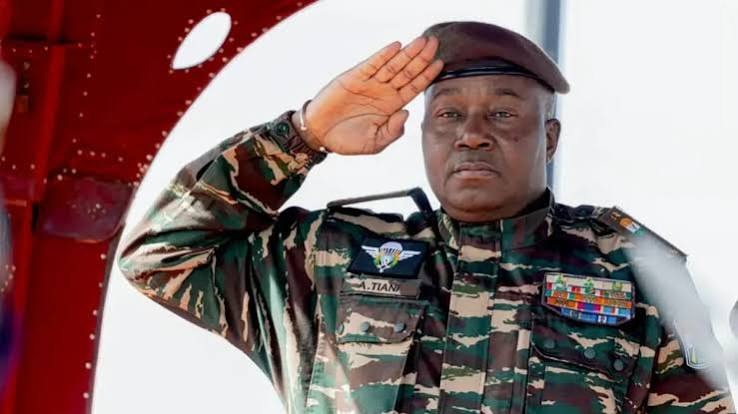
Eighteen months after the 26 July 2023 putsch, the patriotic showcase built by Niger’s military leadership is visibly splintering. Behind the sovereignist speeches and the parades staged by the National Council for the Safeguarding of the Homeland (CNSP), conditions on the ground describe something else entirely. Niger’s armed forces are not merely buckling under suffocating security pressure along the borders — they are crumbling from the inside. The scale of desertion now stands as the clearest proof that General Abdourahamane Tiani has lost the confidence of a large share of…

Read More

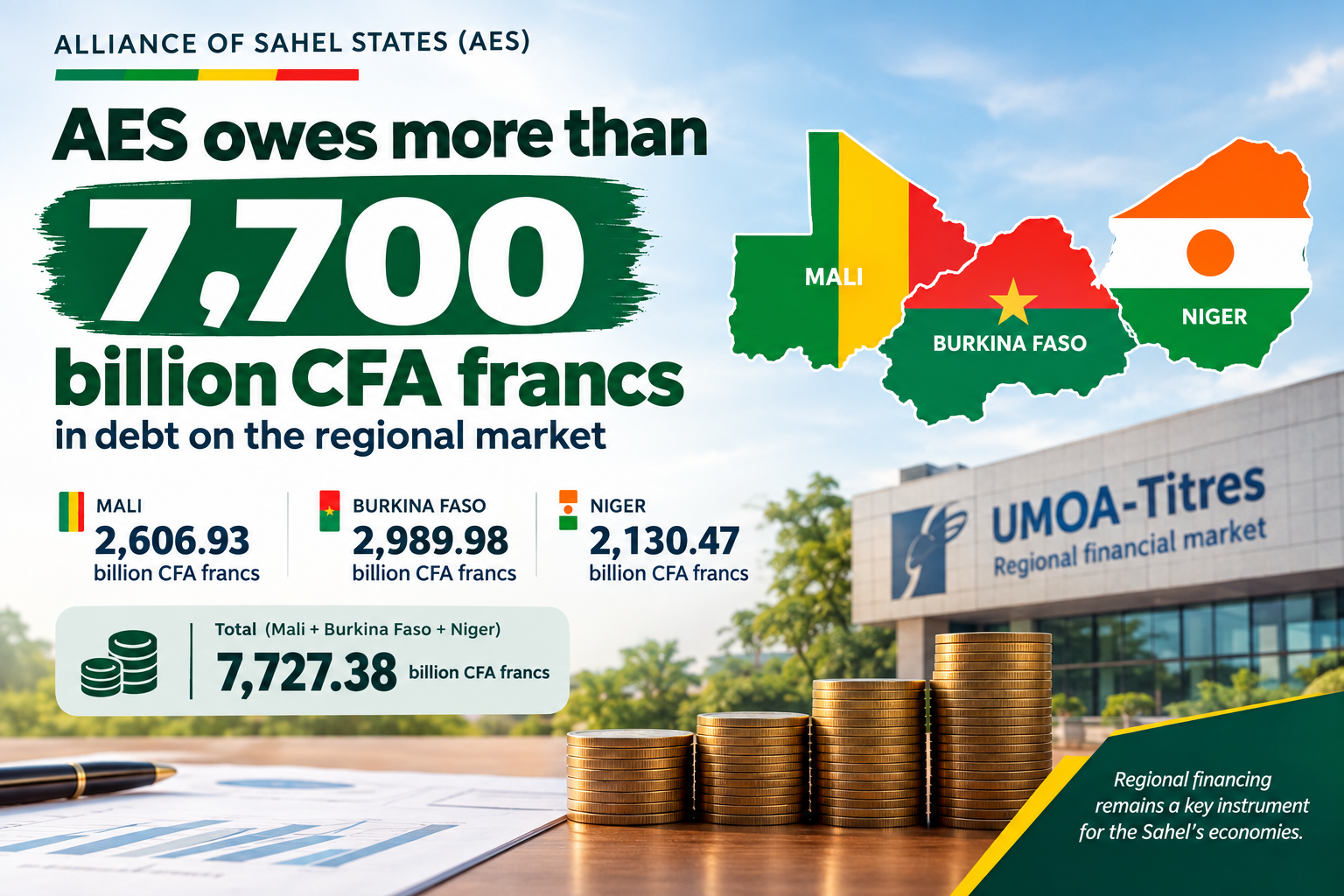
AES states carry over 7,700 billion CFA francs of debt on the regional market

Mali, Burkina Faso and Niger — the three governments that make up the Alliance of Sahel States — remain heavy users of the regional financial market. At the close of 31 July 2026, their combined stock of outstanding public securities stood at roughly 7,727 billion CFA francs. That number complicates the narrative of a financial sovereignty resting entirely on national resources. The political message has not changed: sovereignty, a clean break with old dependencies, national efforts funded by national means, and a rejection of mechanisms presented as imposed from abroad.…

Read More

Benin school reopening: pupils return to class nationwide on 14 September 2026

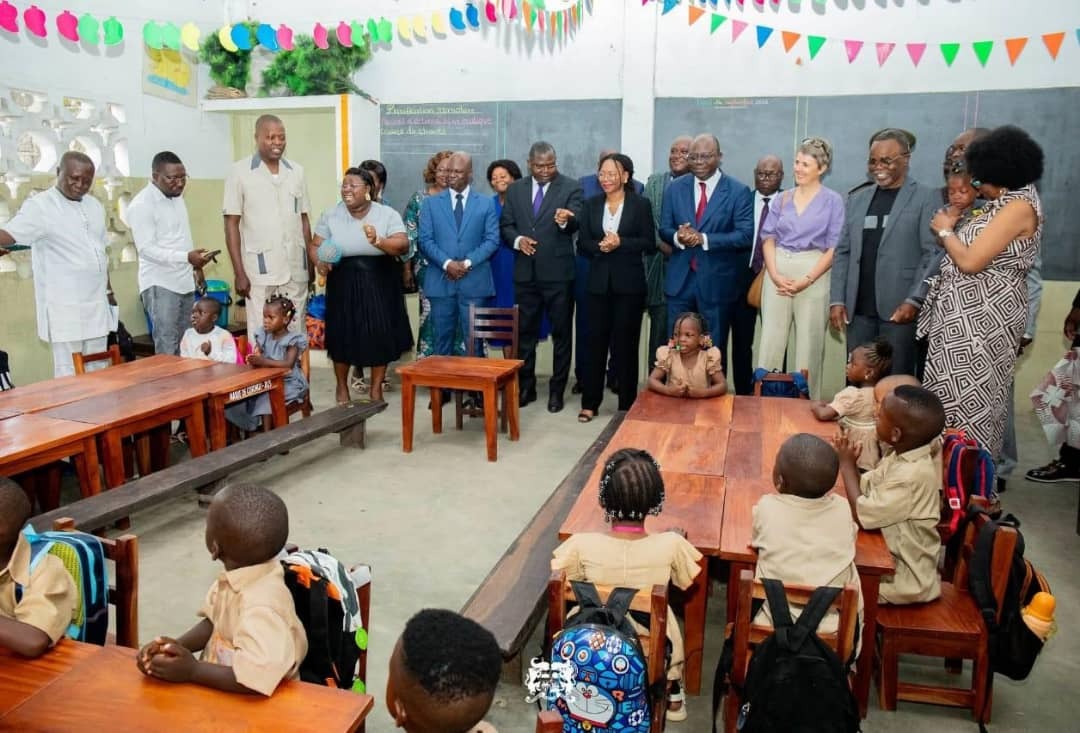
Monday 14 September 2026 has been confirmed as the official start of the new school year in Benin, with establishments across the whole country reopening their doors to learners and teachers. The return to class comes at a time when the security situation has improved, jihadist attacks have fallen sharply in the areas most at risk, and the government’s social programmes — most notably the removal of tuition fees at the levels concerned — remain in force for pupils. Lessons resume from north to south After several weeks of holidays,…

Read More

Niger’s cheap fuel comes at a cost: Sonidep heading for a 28 billion FCFA loss in 2026

The hidden bill behind Niger’s low pump prices Niger’s decision to hold fuel prices steady at the pump is turning into a heavy burden for the country’s public finances. Fresh projections from the International Monetary Fund point to a net loss of 28 billion FCFA for the Société nationale des pétroles du Niger (Sonidep) in the 2026 financial year — a shortfall driven by a surge in domestic consumption and the steep cost of buying fuel abroad. When Nigeria’s subsidy cuts reshaped Niger’s market The roots of this imbalance lie…

Read More

Texforces-BF: Ibrahim Traoré stakes Burkina Faso’s pension savings on a textile bet

Burkina Faso’s Texforces-BF textile programme has been presented to the public as a cornerstone of economic sovereignty and home-grown industrialisation, and official enthusiasm for it has been loud and unwavering. Look beneath the speeches, however, and the way the venture is financed — together with the conditions attached to its rollout — raises uncomfortable questions. Money pulled straight out of the retirement system, thousands of beneficiaries still waiting for pensions already owed to them, an active terrorist threat across much of the country and no visible industrial maintenance blueprint: taken…

Read More

Niger’s external liabilities top 12,900 billion FCFA as dependence persists

In Niamey, official statements continue to present a picture of economic emancipation and severed ties with former partners. The consolidated accounts of the Central Bank of West African States (BCEAO), however, sketch a very different portrait. As Niger closed the 2024 financial year, its international investment position stood deep in the red, laying bare a structural reliance on foreign capital that has not diminished. A yawning gap between what Niger owns abroad and what it owes Niger’s financial obligations towards non-residents reached 12,933.5 billion FCFA by the end of 2024.…

Read More

Benin’s school canteens now reach 1.9 million children as the social and economic gamble widens

A wider table for Benin’s schoolchildren When classes resumed for the 2026-2027 academic year, close to 1.9 million pupils in Benin sat down to a hot meal on every school day. Twelve months earlier, that figure stood at 1.4 million. The gap between the two numbers — roughly half a million additional children — tells the story of a school feeding policy that keeps expanding rather than slowing down. Behind the statistic lies a deliberate choice by Benin’s authorities: treating a plate of food at school as a tool that…

Read More

Sifi Grine in Bamako: how Assimi Goïta’s junta swallows its pride before Algiers

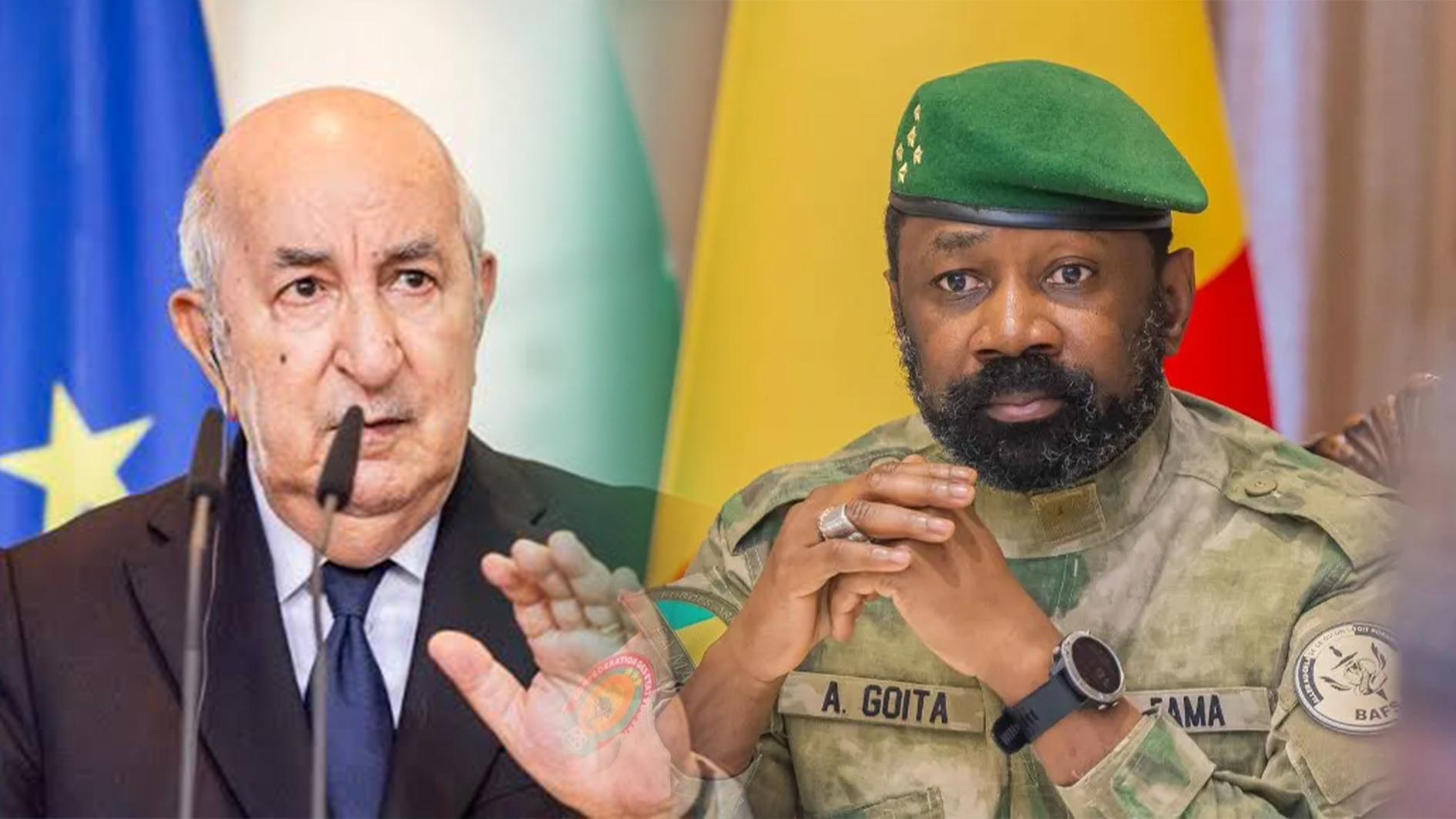
Algerian prime minister Sifi Grine travelled to Bamako on Monday for an official visit, appearing at the side of army general Assimi Goïta, the strongman of Mali’s ruling junta. Presented as a decisive step towards closer ties between the two Sahelian neighbours, the choreography of the day struggles to conceal a far messier diplomatic reality. Behind the warm handshakes and the polished statements, the scars of recent quarrels and the lingering shadow of the Algiers accord continue to weigh on a bilateral relationship that has touched its lowest point. A…

Read More

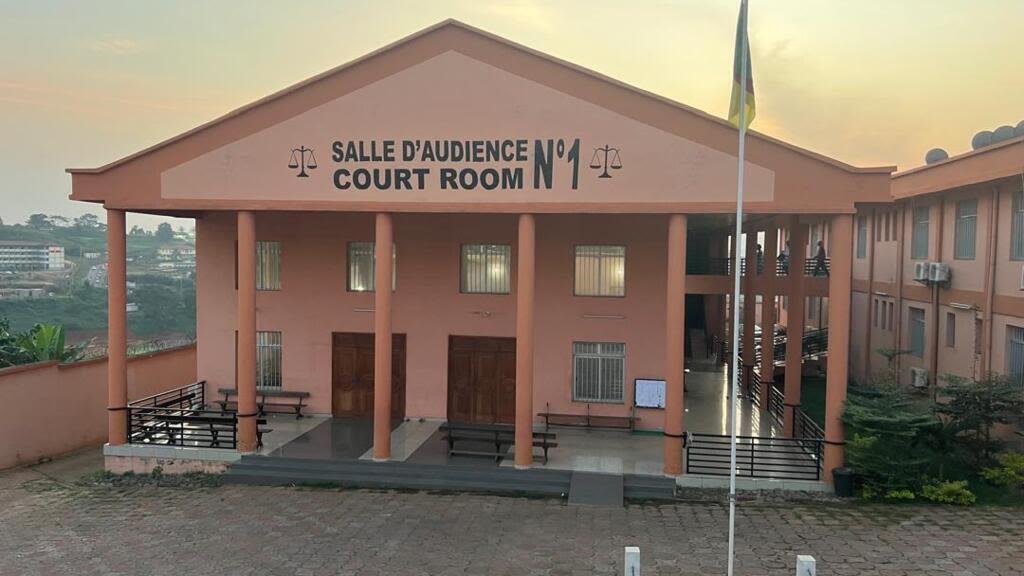
Martinez Zogo case in Cameroon: key investigator finishes testimony

Martinez Zogo case in Cameroon: key investigator finishes testimony With our correspondent in Yaoundé, Richard Onanena Colonel Jean-Pierre Otoulou took the stand to defend his investigation. He insisted he had evidence, notably that journalist Bruno Bidjang, then an associate of businessman Jean-Pierre Amougou Belinga, one of the main defendants in the case, had attempted to gather information about inquiries concerning him. While Bidjang tried to prove his innocence, the lawyer for Martinez Zogo’s beneficiaries decried interference in the proceedings. “It simply reveals what we suspected from the start. He effectively…

Read More