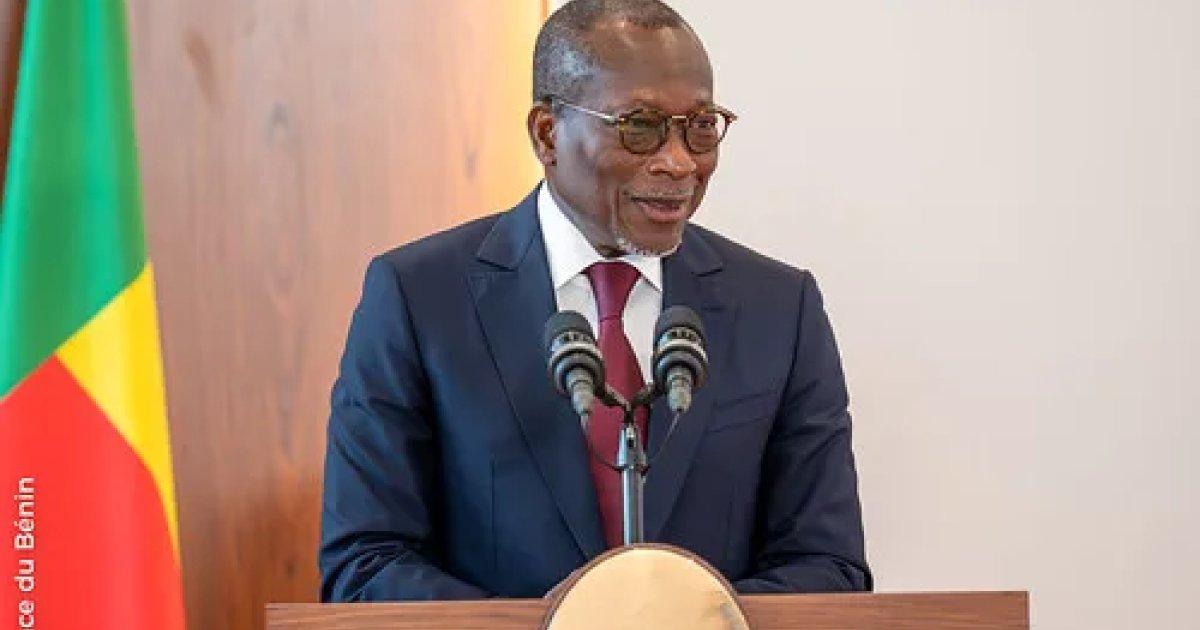
Patrice Talon takes office as Bénin’s first Senate president with a pledge for unity
In a solemn inauguration ceremony on August 6, 2026, Patrice Talon officially assumed leadership of Bénin’s inaugural Senate mandate for 2026-2031, delivering a commitment to national cohesion.

Unity and collective responsibility at the heart of the new mandate
Addressing the Senate’s eldest member and all newly elected senators, President Talon emphasized the need to build a cohesive parliamentary community. His speech highlighted three core values: responsibility, dignity, and the supreme interest of the nation, as the foundation for productive legislative work.
He stressed that teamwork, consensus-building, and mutual respect should transcend individual differences to ensure the institution operates effectively for the nation’s progress.
From criticism to constructive leadership
Acknowledging past perceptions of his presidency, Talon reaffirmed his dedication to transforming this Senate term into a catalyst for national unity, political stability, and democratic resilience. He called on all senators to actively uphold these collective ambitions throughout their mandate.
The team behind the new Senate leadership
The historic election of Bénin’s first Senate president took place behind closed doors on August 6, 2026. Patrice Talon will lead this inaugural mandate alongside a strengthened leadership team:
- Louis Vlavonou, former National Assembly president, elected as Senate vice-president
- Alassane Seidou, appointed as rapporteur
- Adidjatou Mathys, serving as deputy rapporteur
Building the future of Bénin’s democracy
During his address, Talon underscored the Senate’s role in shaping Bénin’s democratic future. He envisioned a chamber where every senator contributes to strengthening the nation’s institutions while ensuring transparency and accountability in governance.
The president concluded by urging collaboration across party lines, stating that “the collective good must always take precedence over partisan interests”.