A growing controversy over Cameroon’s president as outspoken critic faces prison
July 29, 2026The recent six-month prison sentence handed to internet user Patrick Mengue for allegedly insulting President Paul Biya has intensified discussions about the boundaries of free speech in Cameroon. Human rights advocates argue that this case highlights the government’s tightening grip on dissenting voices, while authorities insist they are merely upholding the law.
Mengue’s conviction stems from Cameroon’s Penal Code, which criminalizes insults against the head of state, defamation, slander, and attacks on honor—provisions frequently criticized by human rights organizations. “This isn’t about interpretation—it’s strict enforcement,” explains Barrister Batang Kolon, a Cameroonian lawyer. “The young man wrote a prayer. Now we see that even prayers are off-limits. It’s deeply troubling.”
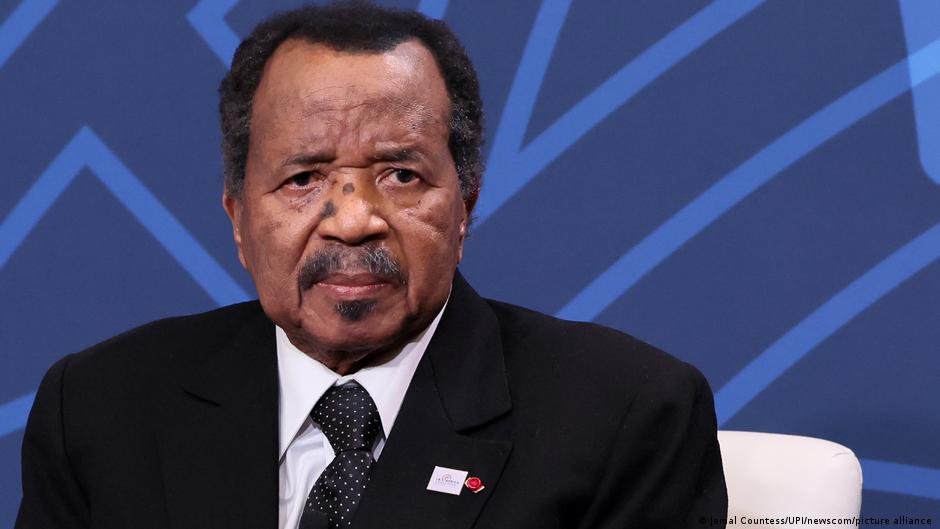
The timing of Mengue’s sentencing coincides with President Biya’s prolonged absence from public view. The 90-year-old leader has been receiving medical treatment abroad, with no official updates on his condition provided by government sources.
Previous cases of legal action against critics
Mengue’s case isn’t isolated. In 2017, writer and academic Patrice Nganang was arrested following his outspoken commentary on the Anglophone crisis and charged with insulting the president. In 2019, activist Sébastien Ebala was detained after publishing multiple critical posts about Paul Biya. Journalist Jean Bosco Talla faced similar consequences in 2010, receiving a suspended one-year sentence and a hefty fine for reporting a rumor about the head of state.
Freedom of expression under scrutiny
For human rights defenders, these recurring cases illustrate a pattern of using criminal prosecution to silence political dissent. “Like Mengue, many others are behind bars simply for expressing their views on national politics,” notes Cyrille Rolande Bechon, president of the NGO New Human Rights, who calls the verdict “a miscarriage of justice.”
Government officials counter that these legal actions are necessary to protect institutions, individual honor, and public order. Yet in today’s climate, Mengue’s conviction has transcended his personal situation, reigniting debates about Cameroon’s approach to free expression.