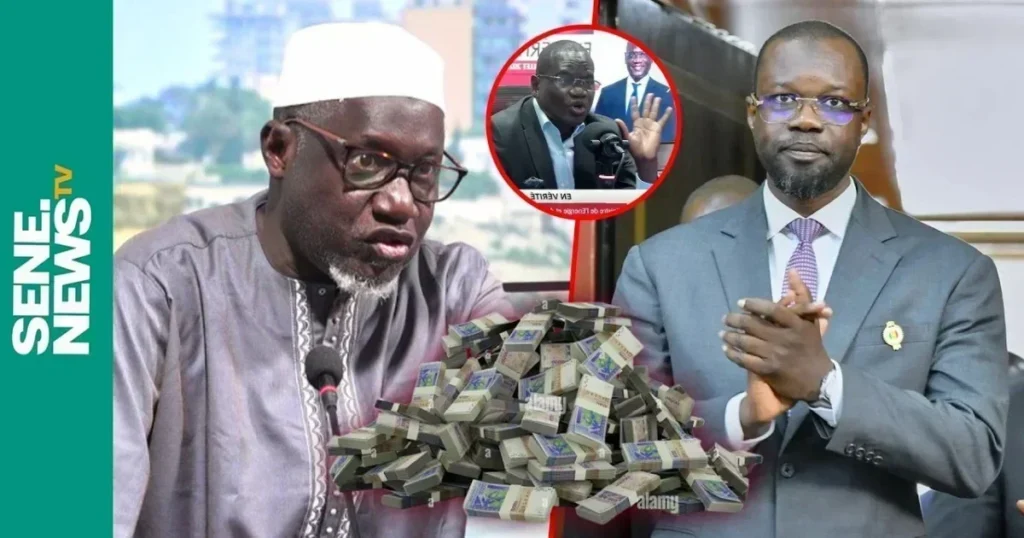
A leading religious voice in Senegal has stepped into the political debate, offering a fresh perspective on the ongoing discussions surrounding Ousmane Sonko. Imam Kanté’s response to Moundiaye Cissé sheds new light on the complexities of the nation’s political landscape.
the context behind the debate
Ousmane Sonko’s name has dominated recent political conversations in Senegal, sparking intense discussions among both supporters and critics. The country’s religious and political spheres have become intertwined, with leaders like Imam Kanté weighing in on key issues. This intervention comes at a time when public opinion is sharply divided, making the Imam’s stance particularly noteworthy.
what imam kanté had to say
Imam Kanté did not hold back in his response to Moundiaye Cissé’s remarks. He addressed the concerns raised about Sonko’s political actions and provided a detailed analysis that challenges certain narratives circulating in the public domain. His intervention underscores the growing influence of religious figures in shaping political discourse in Senegal.
The Imam’s commentary reflects a deep understanding of the political climate, emphasizing the need for unity and constructive dialogue. His words carry significant weight, given his standing in the community and his history of engaging with national issues.
reactions and implications
The debate has not gone unnoticed. Political analysts and citizens alike are closely monitoring the exchange, recognizing its potential to influence public opinion and future political decisions. Imam Kanté’s response has added a new layer to the discussion, prompting further reflection on the role of religious leaders in governance and policy-making.
As Senegal continues to navigate its political challenges, statements like those from Imam Kanté serve as a reminder of the diverse voices contributing to the nation’s evolving narrative. The conversation is far from over, and its outcome could have lasting repercussions on the country’s trajectory.