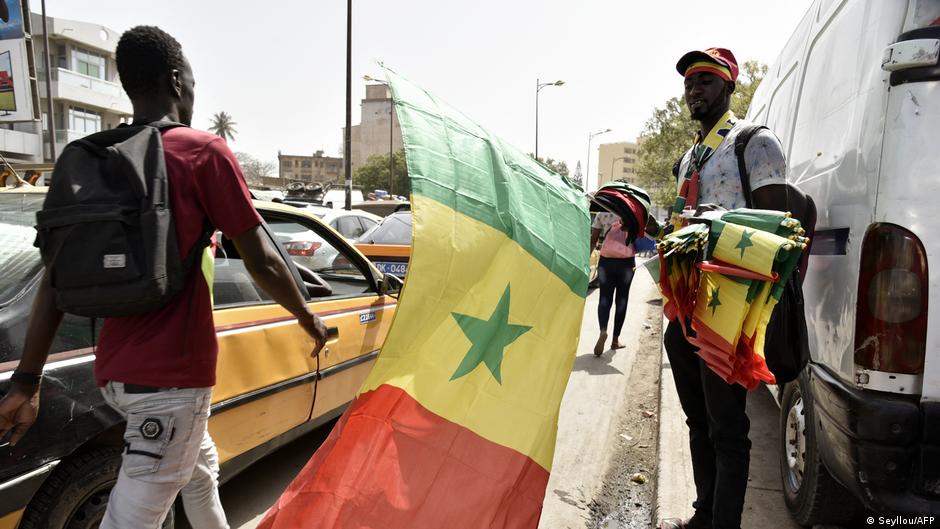
sénégalais face à la flambée des tarifs de transport pour le Grand Magal
31 July 2026As pilgrims prepare for the Grand Magal in Touba, the bustling Baux Maraîchers station in Pikine is a microcosm of the challenges ahead. While standard fares typically range from 3,000 to 5,000 CFA francs, this Friday morning, passengers faced prices soaring between 8,000 and 10,000 CFA francs—depending on the level of comfort they desired.
Why are transport fares so high?
Fallou, a local tout at the station, offered a candid explanation. “All these vehicles are heading to Touba,” he said. “You can choose between a small, non-air-conditioned vehicle for 10,000 francs or a less comfortable air-conditioned bus for 8,000 francs. Take your pick. These are today’s prices due to the heavy traffic on the road to Touba.“
For pilgrims like Mamadou, who has never missed the Grand Magal in his life, the steep fares are a bitter pill to swallow. “They raise prices every time there’s an event like this,” he lamented. “Touba isn’t that far, and normally, the fare is much lower. Times are tough; they shouldn’t take advantage. I have no choice but to pay because my family is waiting for me there. We must welcome our guests properly.“
Transport operators bear the brunt
Bour Guewel, a seasoned station veteran with nearly three decades of experience, understands the drivers’ perspective. His decades-old vehicle, meticulously maintained, shuttles passengers between Dakar and Touba. “You might leave with a full bus, but returning? That’s a struggle. And we’re filling up with fuel twice over,” he explained.
“Right now, it’s nearly impossible to enter Touba due to the gridlock,” he added. “We have no choice but to increase fares to offset our losses.“
This is the unspoken reality of transport in Senegal. For major events, drivers and operators impose their terms, and pilgrims, desperate to reach Touba, reluctantly accept.
Meanwhile, Dakar Dem Dikk, the public transport operator, offers fares at 4,000 CFA francs. However, demand far outstrips supply, and buses cannot accommodate large amounts of luggage—a significant inconvenience for pilgrims.