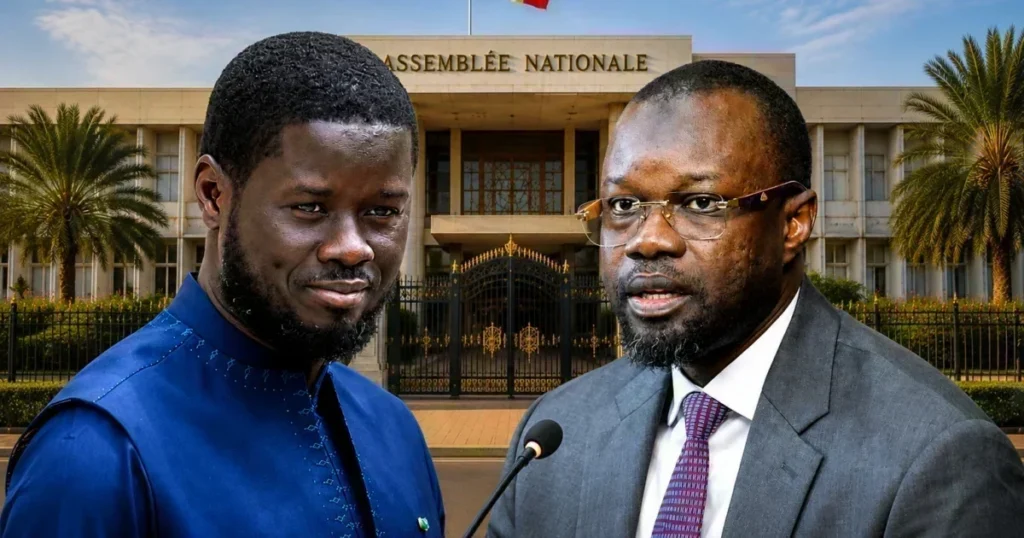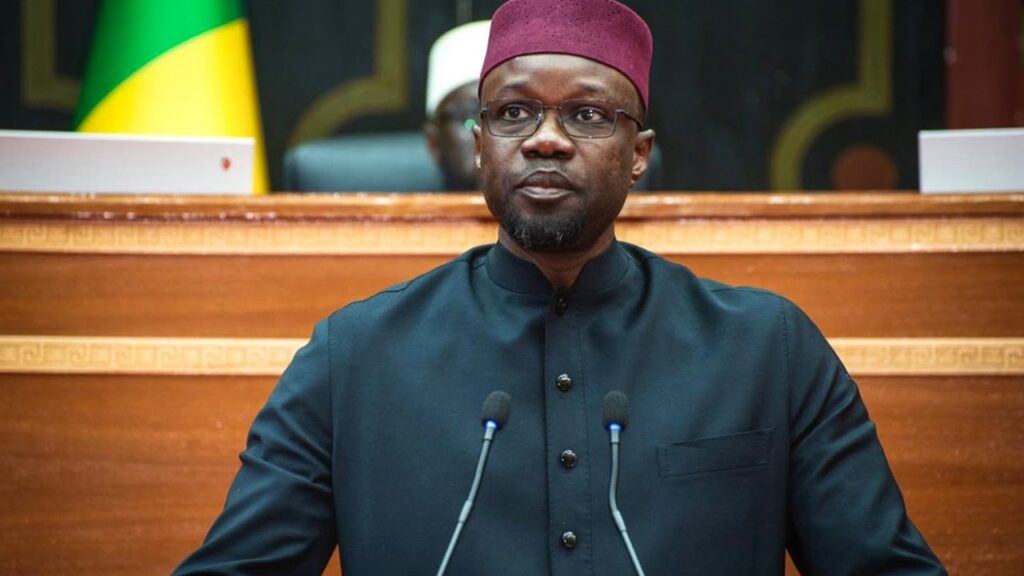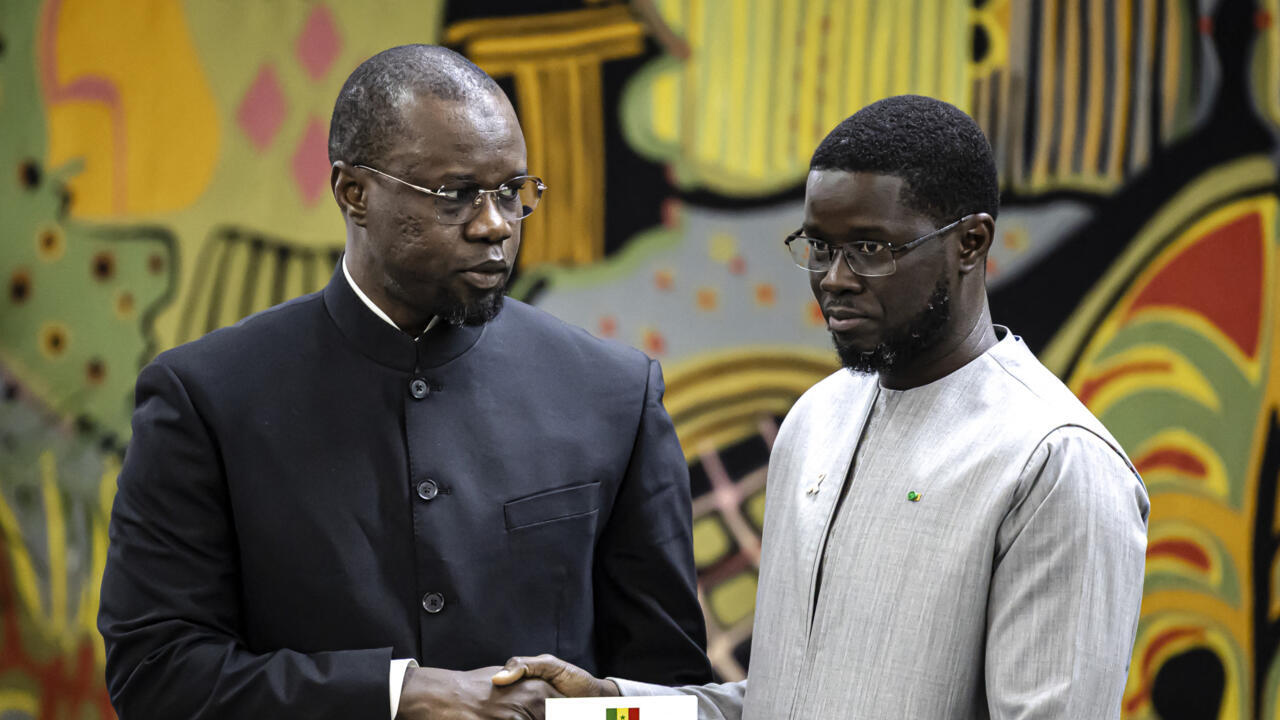
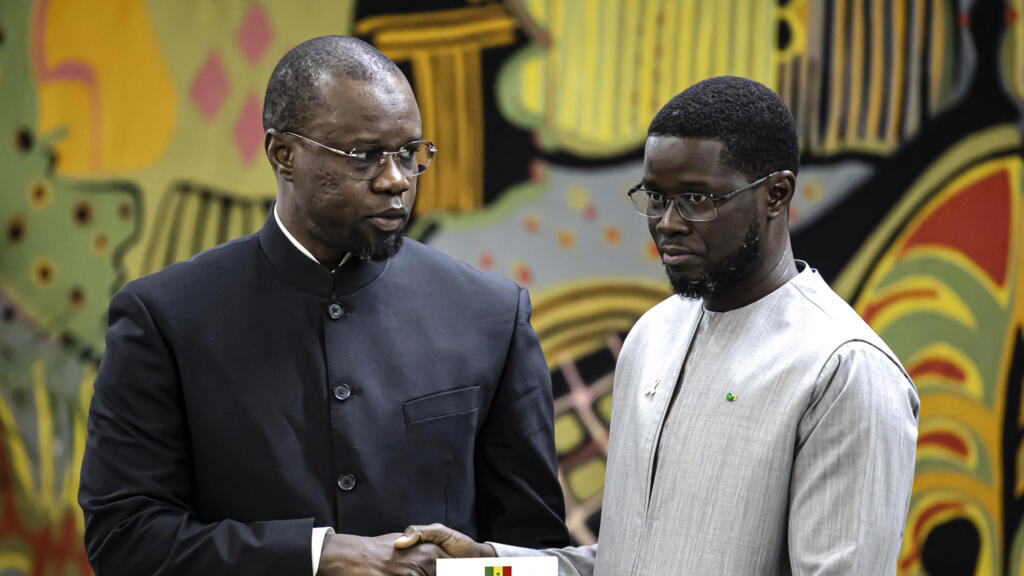
The political landscape in Senegal is undergoing significant transformations as President Bassirou Diomaye Faye navigates a complex mandate. Recent developments include the establishment of a new presidential party and the constitutional reform bill being struck down by the Constitutional Council—legislation originally championed by the parliamentary majority of Pastef, led by Ousmane Sonko. With these pivotal moves, the head of state is laying the groundwork for what could be a defining phase of his administration. Yet, the question remains: will this strategy succeed in winning over the opposition and swaying public opinion?
Global tensions and their African implications
Meanwhile, escalating tensions in the Middle East continue to dominate headlines. A fresh wave of retaliatory strikes and counterattacks has reignited concerns over Iran’s involvement, prompting United States President Donald Trump to declare the ceasefire officially void. In a blunt assessment, Trump dismissed ongoing discussions with Tehran as futile, hinting at the possibility of further American military interventions. As the region braces for potential escalation, analysts are closely monitoring the situation, questioning whether diplomacy can still avert a broader conflict.
Each week, a panel of esteemed African journalists and commentators dissects key developments across the continent and beyond. This week’s discussion brings together voices from across the region:
- Wuldath Mama, a Beninese journalist renowned for her expertise in international affairs
- Eric Topona, a Chadian journalist contributing to the Deutsche Welle Francophone Africa desk
- François Hiondi Nkam, a veteran reporter and Head of the Economics Desk at Cameroon’s Le Jour newspaper