Senegal’s evolving political landscape amid Middle East tensions and 2026 World Cup debates
Exploring Senegal’s constitutional reforms, the future of its presidency, and the nation’s stance on escalating Middle East conflicts as the 2026 World Cup approaches.
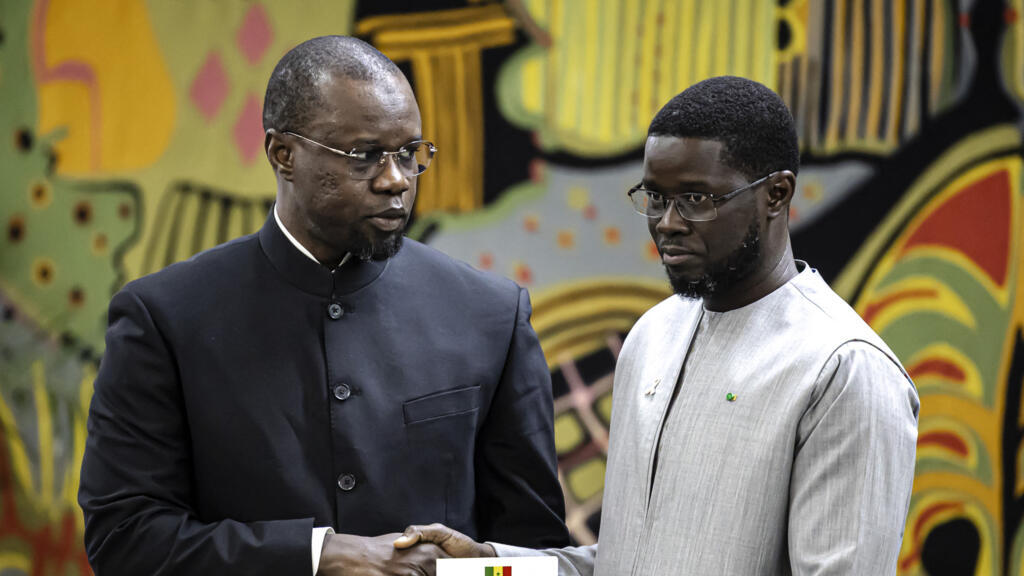
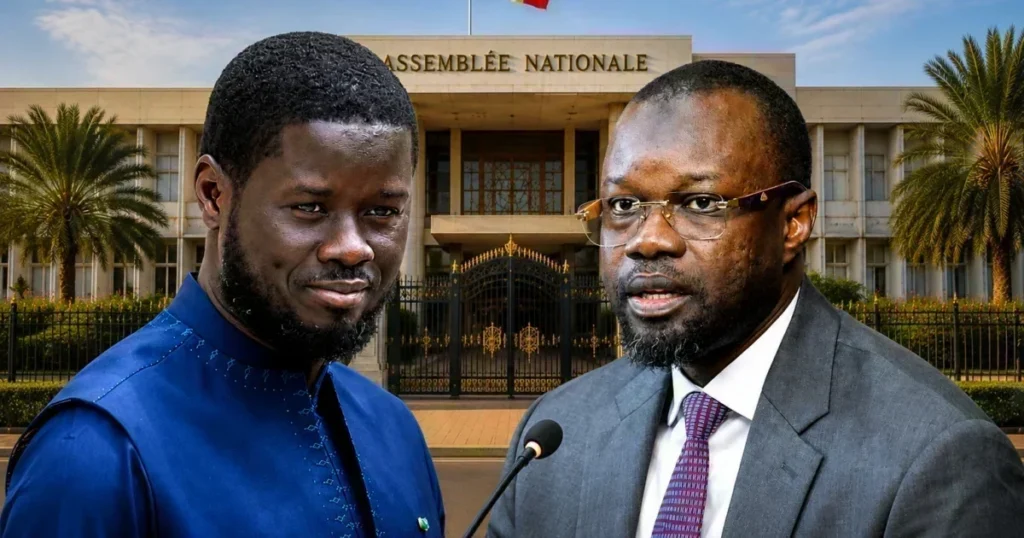
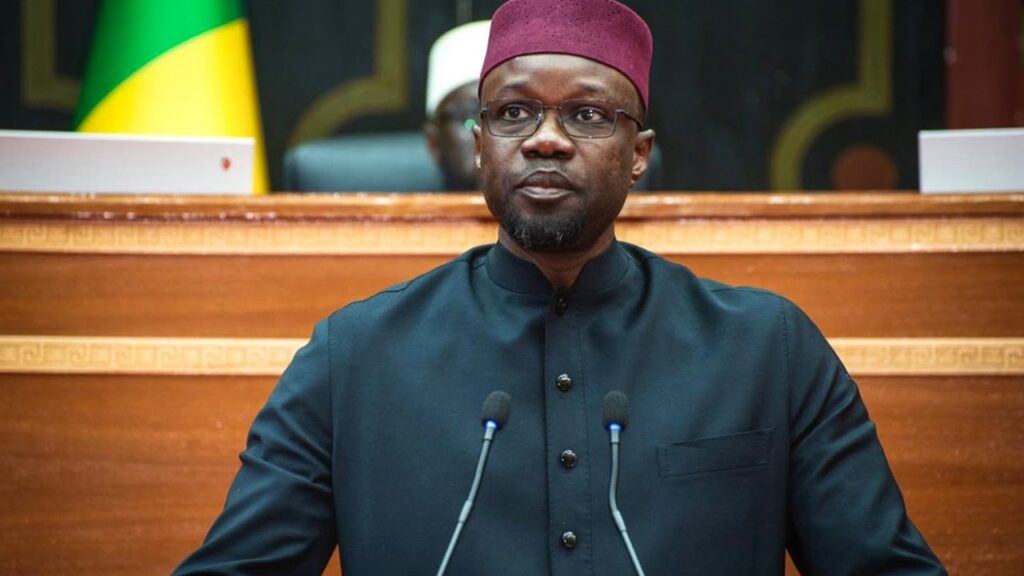
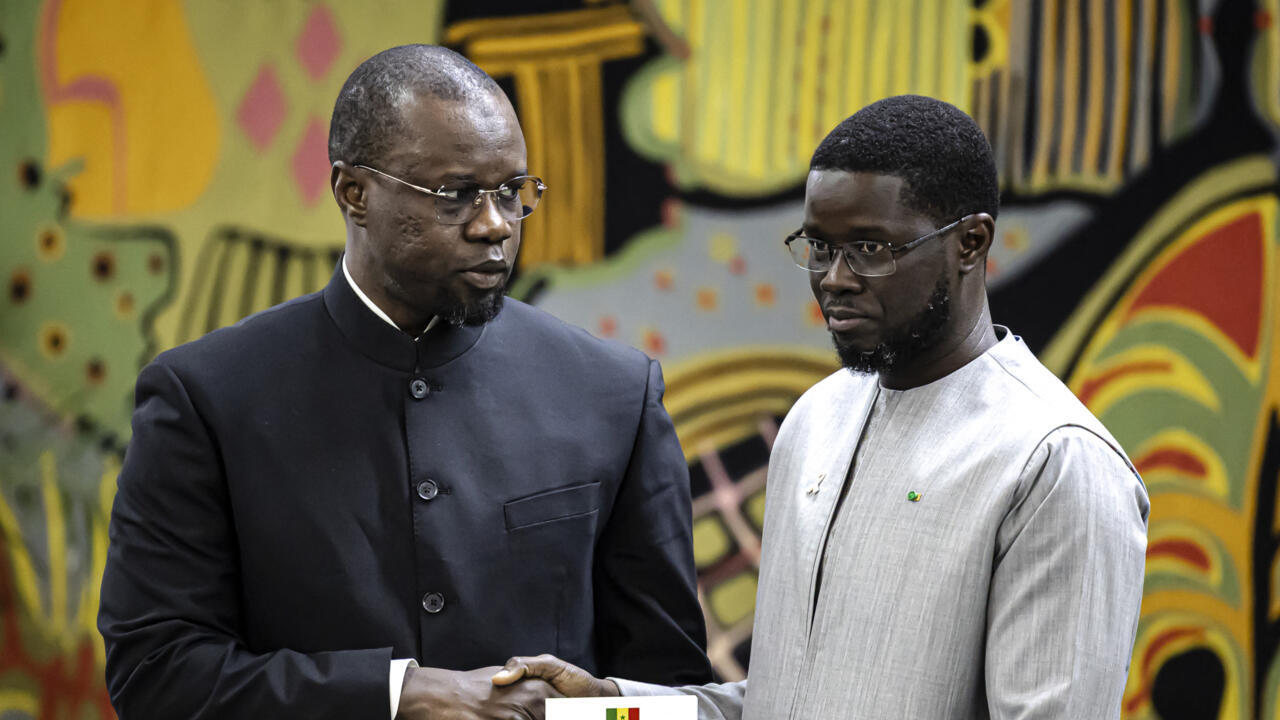
Senegal’s political stage is undergoing significant transformations as President Bassirou Diomaye Faye advances a bold agenda. The recent establishment of a presidential party and the constitutional reform overturned by the Constitutional Council—initially pushed by the parliamentary majority of Pastef, led by Ousmane Sonko—marks a turning point. Will these strategic moves consolidate public trust and bridge divides with the opposition?
Regional and global dynamics shaping Senegal’s decisions
The Middle East’s volatile situation adds another layer of complexity to Senegal’s strategic considerations. Recent escalations, including retaliatory strikes and failed ceasefire negotiations, have prompted international actors to reassess their positions. In this context, African voices are playing a crucial role in shaping the discourse on peace and regional stability.
African perspectives on global crises
Each week, prominent African journalists and analysts dissect pressing issues affecting the continent and beyond. This week’s panel includes:
- Wuldath Mama, Beninese journalist specializing in international affairs
- Eric Topona, Chadian journalist with Deutsche Welle’s Francophone Africa desk
- François Hiondi Nkam, senior reporter and Economics Editor at Cameroon’s Le Jour newspaper