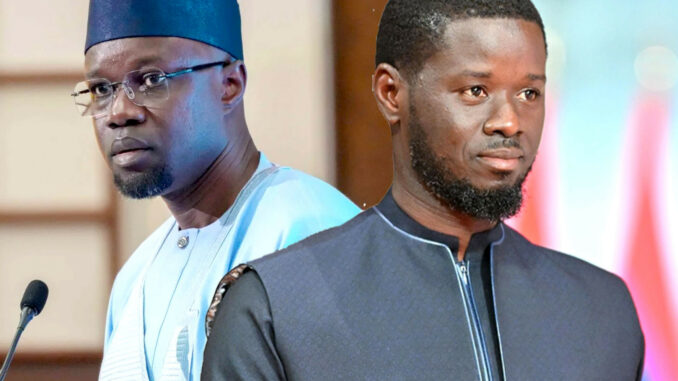
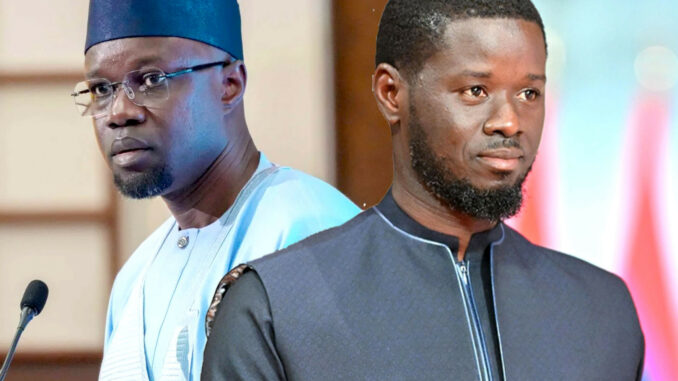
In Senegal, the unfolding political landscape this week underscores the fragile balance at the heart of the executive branch, where President Bassirou Diomaye Faye and Prime Minister Ousmane Sonko navigate diverging priorities.
Starting May 21, the Head of State will embark on an extensive round of consultations with key stakeholders across the nation. Over ten days, political parties, civil society groups, religious leaders, and traditional authorities will be invited to participate in a national dialogue designed to symbolize openness and collective decision-making.
This approach replaces the previous annual dialogue day established under former President Macky Sall. Analysts suggest that Bassirou Diomaye Faye is keen to reinforce his reputation as a unifying figure, even as critics from the opposition argue that reforms on electoral and institutional processes lack sufficient stakeholder engagement.
Meanwhile, Ousmane Sonko is scheduled to address lawmakers during a parliamentary session dedicated to current affairs questions. Though formally part of the legislative agenda, the timing of his remarks has sparked discussions about the sometimes-strained relationship between the two leaders at the helm of government.
A political scientist, Maurice Soundieck Dione, notes that both figures are jostling for political and media prominence. Political analyst Assane Samb adds that improved coordination could have prevented the perception of competing narratives emerging from the highest levels of the Senegalese administration.
Since assuming office, the dynamic between Diomaye Faye and Sonko has consistently fueled debates about the actual distribution of power within Senegal’s new executive structure.