
The debate surrounding the length of presidential mandates in Senegal has resurfaced, sparking discussions across the nation. The controversy centers on whether the current administration is considering adjustments to the constitutional framework governing presidential terms. As political observers dissect the situation, the origins of these rumors demand closer examination.
Understanding the constitutional context
The Senegalese Constitution has long served as the cornerstone of the country’s democratic stability. Historically, presidential terms have been a subject of intense scrutiny, particularly during transitions of power. The existing legal framework outlines a five-year mandate, renewable once, ensuring a balance between continuity and accountability in governance.
However, whispers of potential changes have begun to circulate, prompting questions about the motivations behind such discussions. Critics argue that any attempt to alter term limits could undermine the very principles of democracy that Senegal has worked diligently to uphold.
Key figures and political dynamics
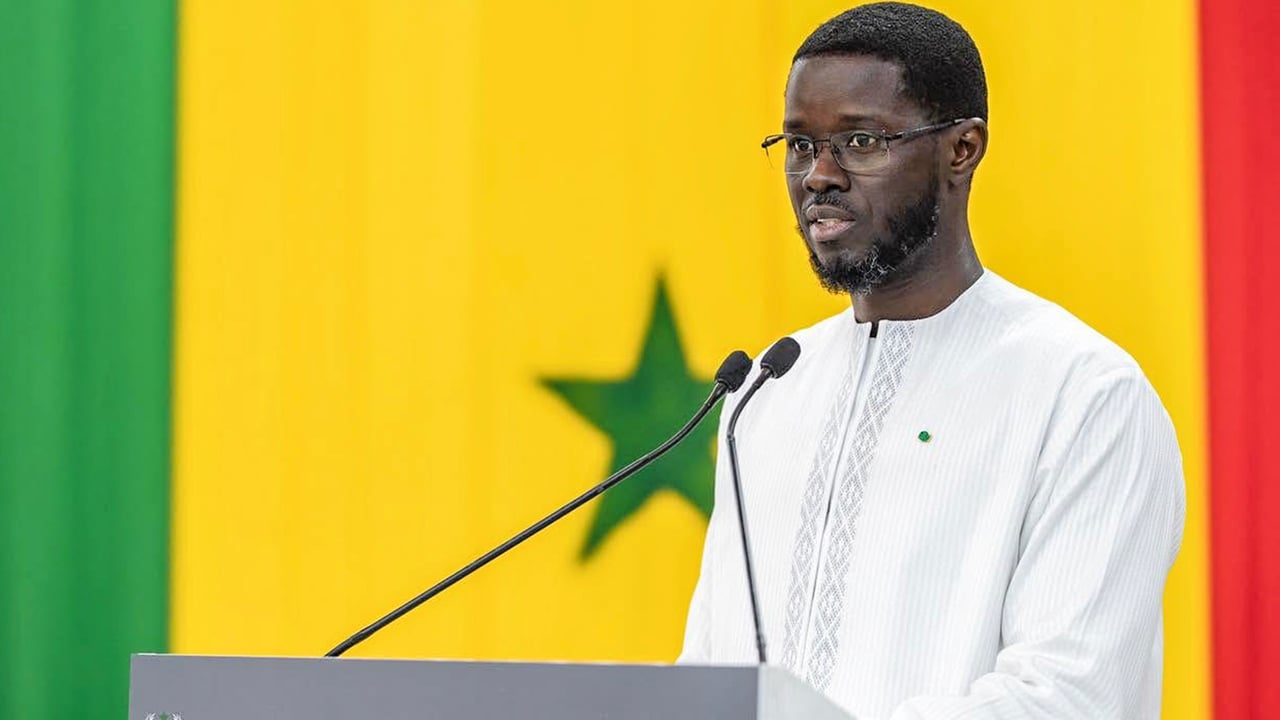
The current administration, led by President Bassirou Diomaye Faye, has faced both praise and criticism since taking office. Some supporters view the president’s policies as transformative, while opponents question the transparency of decision-making processes. The debate over presidential terms has further intensified these divisions, with political factions aligning on opposing sides.
Among the voices contributing to the discourse is the Kiiraay – Les Patriotes républicains party, which has been vocal in advocating for adherence to constitutional norms. Their stance underscores a broader concern among citizens about the preservation of democratic values in the face of political maneuvering.
Public reaction and media influence
The rumblings of change have not gone unnoticed by the Senegalese public. Social media platforms and traditional news outlets have amplified the discussion, with citizens expressing a mix of skepticism and curiosity. The role of the media in shaping public perception cannot be understated, as reports and analyses continue to fuel the debate.
Many are calling for clarity from the government, urging transparency in any discussions about constitutional amendments. The demand for accountability resonates strongly, reflecting a collective desire to safeguard the nation’s democratic institutions.
What’s next for Senegal’s political landscape?
As the conversation unfolds, the future of presidential term limits in Senegal remains uncertain. Political leaders, legal experts, and citizens alike are watching closely, aware that the decisions made today could have lasting implications for the country’s governance. Whether these rumors will materialize into concrete proposals or dissipate remains to be seen, but one thing is clear: the debate has already left a significant mark on the national dialogue.