US ambassador to Gabon: Keith Heffern awaits Senate confirmation
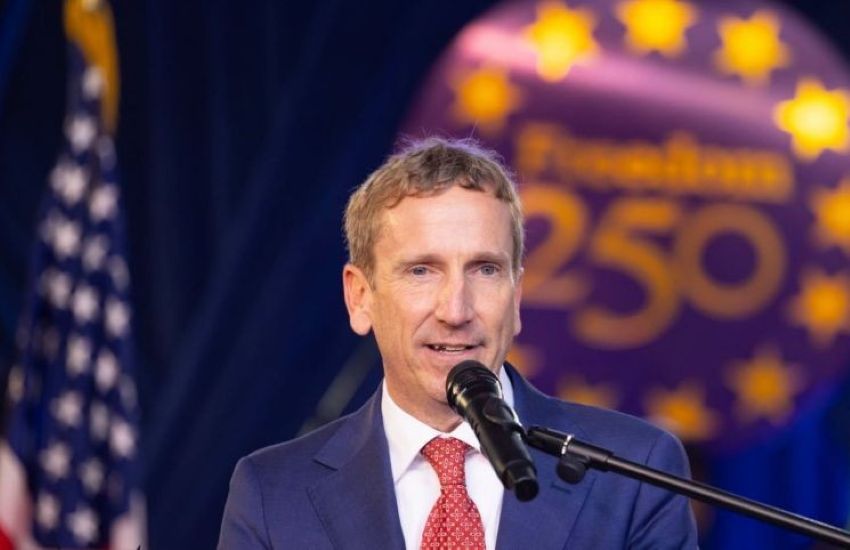
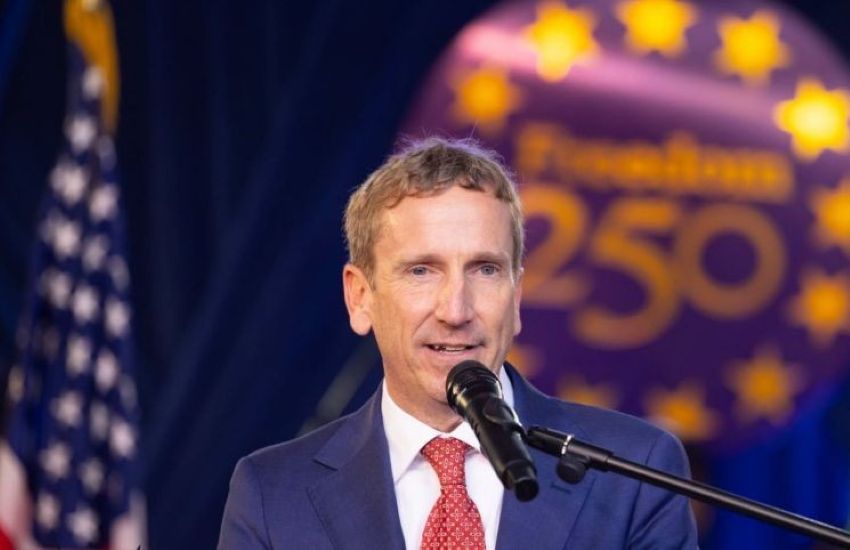
Libreville, August 13, 2026 — The United States has taken a significant step in reshaping its diplomatic presence in Central Africa by nominating career diplomat Keith Heffern as the next ambassador to Gabon. President Donald Trump formally submitted Heffern’s candidacy to the U.S. Senate on August 7, 2026, marking a potential end to nearly eight months of interim representation in Libreville.
If confirmed by the Senate, Heffern will replace Susan N’Garnim, who has served as chargé d’affaires since January 2026. His nomination reflects a broader strategy within the Trump administration to prioritize career diplomats over political appointees for key African posts. As a minister-counselor in the Senior Foreign Service, Heffern brings extensive experience in African diplomacy, including prior knowledge of Gabon’s political and economic landscape.
Diplomatic reset in Central Africa
The timing of this nomination is particularly strategic. Washington has been recalibrating its diplomatic footprint across Africa, with additional ambassadorial nominees proposed for Chad, Madagascar, Comoros, Togo, Mauritania, Benin, Malawi, and Cabo Verde. This systematic approach underscores a deliberate effort to strengthen U.S. influence through seasoned diplomats rather than transitional appointments.
For Gabon specifically, the move carries symbolic weight. The country’s geopolitical position in the Gulf of Guinea and its rich natural resources—from minerals to hydrocarbons—make it a valuable partner in Washington’s broader African strategy. The Trump administration’s recent decision to reinstate Gabon under the African Growth and Opportunity Act (AGOA) after a temporary suspension in early 2026 further highlights the economic stakes of this relationship.
Strategic priorities for a renewed partnership
Bilateral relations between the U.S. and Gabon have historically focused on economic diversification, maritime security in the Gulf of Guinea, and wildlife trafficking prevention. With Heffern’s potential appointment, observers anticipate a renewed focus on these areas, particularly as Gabon seeks to diversify its international partnerships amid growing competition from China, Russia, and Turkey.
Gabon’s strategic location in the Congo Basin and its role as a regional economic hub add layers of importance to this diplomatic realignment. Libreville has been actively courting foreign investment to modernize its economy and expand its global trade networks. A confirmed U.S. ambassador would provide the necessary diplomatic leverage to accelerate these efforts.
A confirmation battle looms in Washington
While Heffern’s nomination sends a strong signal to Libreville, the real test lies ahead in the U.S. Senate. The confirmation process remains uncertain, with no guarantees of swift approval. Until then, the American mission in Gabon will continue to operate under interim leadership, leaving some aspects of the bilateral relationship in a state of flux.
Yet, the choice of Heffern—described by insiders as a pragmatic and results-oriented diplomat—suggests a deliberate effort to restore stability and momentum to U.S.-Gabon relations. His potential return to Libreville would not only fill a critical vacancy but also reinforce Washington’s commitment to maintaining a robust diplomatic presence in a region where influence is increasingly contested.
For Gabon, the stakes are high. A confirmed ambassador could unlock new avenues for trade, investment, and security cooperation. For the United States, it represents an opportunity to reassert its diplomatic footprint in a part of Africa where strategic interests are rapidly evolving.