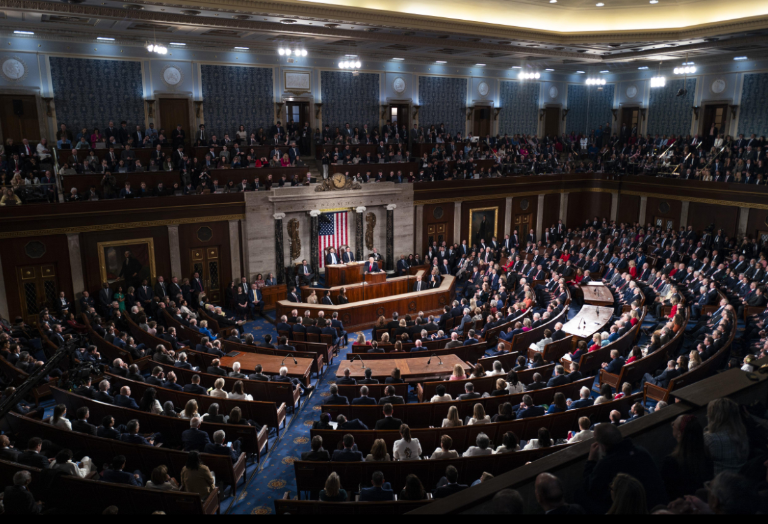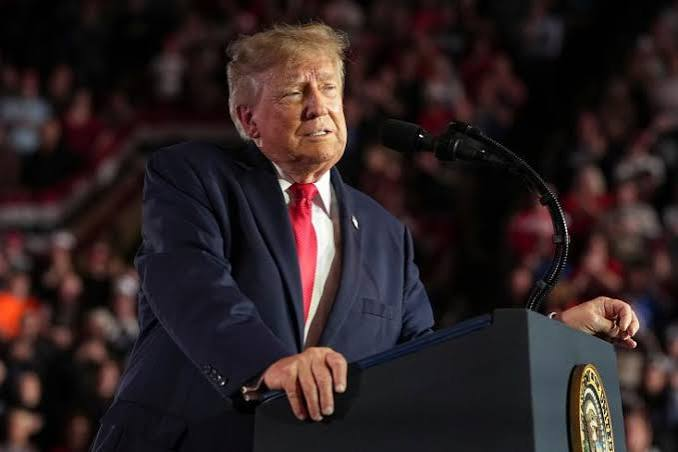
The 2026 US midterm elections, held on November 3, have reshaped the political landscape in Washington. Final projections confirm Democrats have reclaimed control of both the House of Representatives and the Senate, flipping key battlegrounds and delivering a sharp rebuke to the ruling party ahead of President Donald Trump’s final two years in office.
Republicans face a historic setback as Democrats flip critical seats
Before the vote, Republicans held commanding majorities in both chambers. Yet economic strain and dissatisfaction with the administration’s policies dominated voter concerns, fueling Democratic campaigns across the country. The party capitalized on discontent in traditionally competitive states, seizing Senate seats in North Carolina, South Carolina, Ohio, Texas, Kansas, Iowa, and Maine—a shift that tips the balance of power in the upper chamber.
In the House, Democrats expanded their gains by flipping tight races in Florida and Pennsylvania, further cementing their advantage. While vote counting continued into early November, projections already pointed to a clear Democratic majority—though the final margin remains uncertain as local officials finalize results.
High-stakes races deliver consequential wins
Several races captured national attention. In Ohio, Democrat Sherrod Brown—who narrowly lost re-election in 2024—reclaimed his Senate seat by defeating Republican incumbent Jon Husted. Brown’s victory marks a dramatic comeback and adds to Democratic momentum.
Meanwhile, in Maine, Democrat Troy Jackson unseated long-time Republican Senator Susan Collins, a result that underscores growing voter fatigue with institutional incumbents. Across the country, Michigan’s Abdul El-Sayed made history as the projected first Muslim American senator in US history, his win highlighting demographic shifts in key swing states.
The outcome in Alaska remained uncertain at press time, with mail-in ballots still being verified in a closely watched contest.
Divided government looms: what’s next for Washington?
With Democrats now in charge of both chambers, the stage is set for heightened political friction. The new majority will set legislative agendas, launch oversight investigations, and could block or reshape key initiatives from the White House. Analysts anticipate a period of legislative gridlock, as Trump’s final term faces a Congress increasingly resistant to his policy agenda.
Democrats have signaled they’ll prioritize inflation relief and anti-corruption measures, while Republicans vow to push back against what they label as overly progressive Democratic proposals. The shift signals a return to the contentious dynamics of divided government, raising questions about whether bipartisan compromise will be possible in the coming years.
Voters send a clear message: midterms deliver sharp rebuke to the ruling party
The 2026 midterms serve as a referendum on the Trump administration’s final term. Historically, midterm elections reflect public dissatisfaction with the sitting president’s performance—and this year’s results underscore a decisive rejection. While final vote tallies are still being certified in key districts, the projected Democratic sweep signals a significant electoral shift that could redefine the political calculus heading into 2028.
The margin of victory will determine how much leverage each party wields in the next Congress. Democrats appear poised to take control, but the extent of their advantage remains unclear until all ballots are counted.