us midterms 2026: democrats’ congressional wins spark global diplomacy shake-up
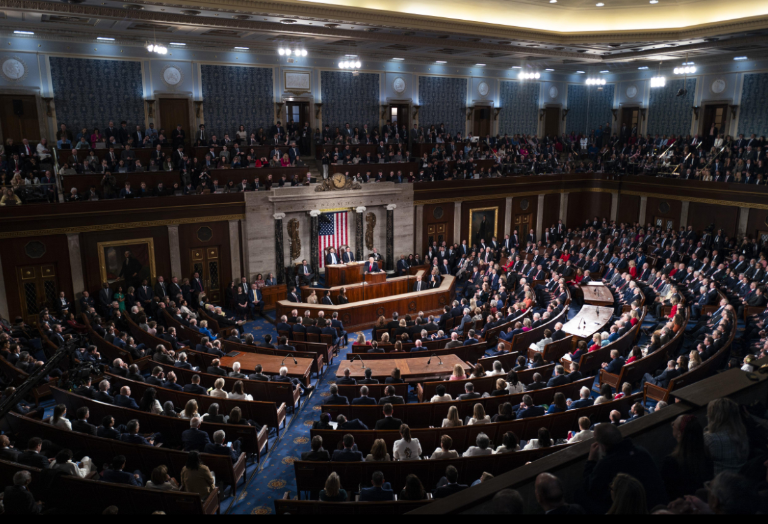
With democrats securing control of both chambers of the us congress in the november 3 midterm elections, donald trump faces the most significant political setback of his presidency. The shift in congressional power is poised to reshape american diplomacy, raising critical questions about the future of us foreign policy in an increasingly volatile global landscape.
A congressional shift that could curb presidential power
The democratic victory in the midterms marks a sharp departure from the status quo. Until now, president trump has operated with a congress largely aligned with his agenda, allowing him to advance his policies without major legislative resistance. come january 2027, the congressional landscape will look radically different.
Democrats will gain sweeping authority, including:
- control over federal spending bills, giving them leverage to shape (or block) key initiatives
- expanded investigative powers, including oversight hearings on administration officials
- the ability to delay or reject critical diplomatic appointments
While president trump retains significant executive powers—including command of the military and veto authority—this new dynamic introduces friction points that could complicate his foreign policy ambitions. A divided government raises the specter of institutional clashes, potentially undermining the consistency of us global strategy.
Iran tensions: will congress challenge the administration’s military approach?
The us-led military intervention in Iran, launched on february 28 without prior congressional approval, has ignited public backlash and fueled democratic opposition to unchecked executive overreach. With democrats in control of congress, the administration could face mounting pressure to justify its actions.
Key democratic priorities may include:
- limiting military funding tied to the Iran conflict
- imposing greater transparency on covert operations
- demanding accountability for policy decisions
However, congress does not hold a veto over ongoing military operations. The risk? A prolonged standoff that leaves the us foreign policy paralyzed, emboldening rivals like Iran to exploit perceived divisions in Washington.
Ukraine and europe: can transatlantic relations rebound?
For european allies, the midterm results signal a potential shift toward renewed commitment under democratic leadership. Since trump’s return to the white house, transatlantic relations have frayed, with doubts cast on america’s reliability as a partner. A democratic-controlled congress could revive efforts to:
- restore predictable financial support for Ukraine
- reinforce NATO alliances
- rebuild trust through consistent diplomatic engagement
Yet the president’s authority remains formidable. While congress may champion these priorities, trump’s veto or unilateral decisions could still derail them. Europe may find new allies in Washington but cannot assume a return to pre-2024 foreign policy norms.
Trade wars: will democrats roll back tariffs?
Trump’s aggressive tariff policies have strained economic relations, sparking retaliatory measures from key partners. Democrats may seek to:
- tighten congressional oversight of trade agreements
- challenge unilateral tariff impositions
- push for bipartisan efforts to ease tensions
Still, the president’s executive powers in trade remain formidable. Without legislative action, structural trade conflicts could persist, delaying any normalization of us-eu economic ties.
A superpower at odds with itself
These midterms underscore a pivotal moment for american power. While the us remains a military and economic giant, its internal divisions now risk diluting its global influence. Allies and adversaries alike are left weighing the implications of a Washington hamstrung by political infighting.
With the 2028 presidential race looming, president trump enters uncharted political territory. The central question is no longer whether he can advance his agenda—but whether america can sustain its leadership amid deepening domestic divisions. In a world of rising tensions, the fallout from these elections may yet redefine the global balance of power.