Ati’s poultry prices surge: a crisis for chadian households and traders
Rising poultry prices in Ati, Chad, are straining household budgets, disrupting local markets, and threatening food security. Urgent solutions are needed to stabilize the situation.
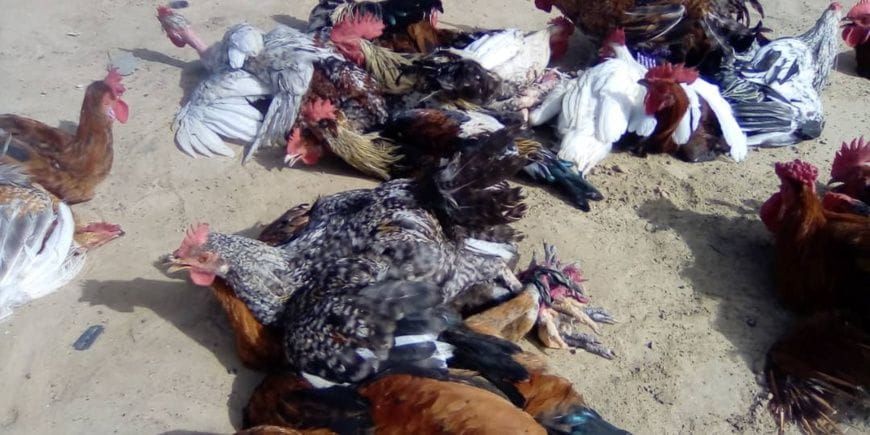
The surge in poultry prices in Ati is sending shockwaves through local households, traders, and farmers, raising concerns about food security and the region’s economic stability. As purchasing power declines and consumption habits shift, the rising costs of poultry are reshaping daily life for thousands.
Market slowdown: traders and consumers struggle with high prices
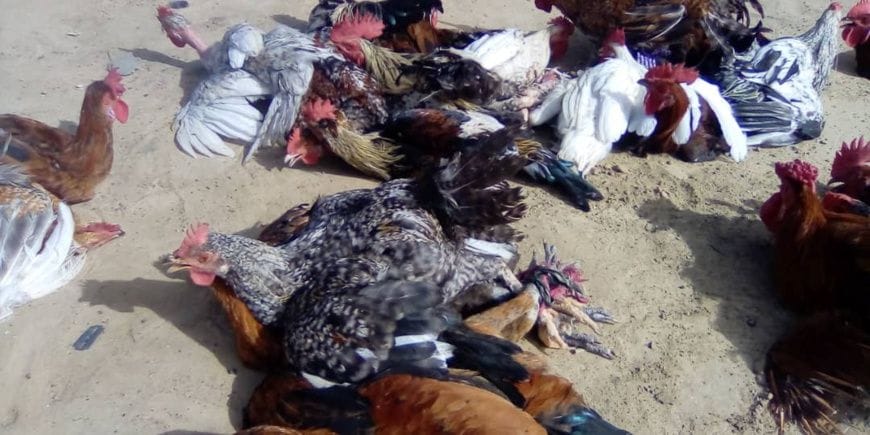
At Ati’s central market, the usual bustle has faded. Customers now haggle over cages of chickens and Guinea fowl, often leaving empty-handed. In just a few months, poultry prices have skyrocketed, upending the diets of countless families and squeezing the margins of traders and farmers alike.
According to local vendors, a chicken that once sold for 6,000 to 8,000 FCFA now fetches 10,000 to 15,000 FCFA, depending on size and season. Guinea fowl and roosters have followed a similar trend, especially as demand spikes during religious festivals and family gatherings. Prices for smaller birds, once affordable at 1,500 to 2,000 FCFA, now reach 3,500 to 6,000 FCFA.
A growing burden on chadian families
Many households can no longer afford poultry, a key source of protein. With the cost of living rising, families are forced to cut back. “Before, we could buy a chicken every week for the children,” says Amina Mahamat, a mother of five. “Now, it’s a rare treat. We’re switching to cheaper foods, even if they’re less nutritious.”
The shift is undermining diets across Ati, as families prioritize affordability over nutrition.
Traders face shrinking sales and profits
For vendors, higher prices don’t mean higher profits. Sales are dropping as customers buy less. “We raise prices, but our income doesn’t grow,” explains Issa Hassan, a poultry seller with over a decade of experience. “Fewer people are buying, and some leave empty-handed.”
Restaurants and grilled meat vendors are also feeling the pinch. To stay afloat, many are raising meal prices or reducing portion sizes, risking further customer loss.
Farmers grapple with rising production costs
While consumers complain about high prices, farmers point to soaring production costs. Feed, veterinary supplies, and transport prices have all climbed. Add to that water shortages, shrinking grazing lands, and disease outbreaks that devastate flocks. “Every month, expenses rise,” says Abakar Abdoulaye, a local poultry farmer. “We have to charge more just to break even, but profits remain slim.”
A local economy under strain
The impact extends beyond households and traders. The entire local economy—from transporters and feed suppliers to restaurateurs and small vendors—is feeling the squeeze. Some estimates suggest poultry sales have dropped by 20 to 30 percent compared to last year, though official data is still pending.
Economists warn that falling consumption disrupts the entire supply chain, affecting household incomes and small-business revenues.
Calls for urgent action to stabilize the market
Local leaders and industry players are urging authorities and development partners to intervene. Proposed solutions include:
- Expanding access to affordable poultry feed;
- Strengthening veterinary services;
- Launching vaccination campaigns against avian diseases;
- Offering financing options for small-scale farmers;
- Providing technical support to boost local production.
These measures could help increase poultry supply, stabilize prices, and strengthen food security in the Batha region.
A looming food security challenge
The poultry price surge in Ati highlights the broader struggle of Chadian families against rising living costs. Without lasting solutions, the crisis risks deepening household poverty and stalling local economic growth.
For many residents, accessing balanced meals is becoming a daily challenge. Controlling essential food prices has now become a top priority for local and national authorities.